
wheelchair-ramp1243
wheelchair-ramp1243
See What Wheelchair Access Ramp Tricks The Celebs Are Using

Wheelchair Access Ramps: A Step Towards Inclusivity
In today’s world, ease of access has actually become a crucial element of ensuring everyone, regardless of physical capability, can browse environments quickly and separately. Among the essential elements for enhancing accessibility is the wheelchair access ramp. This post looks into the importance of wheelchair ramps, their design, regulations, and supplies some frequently asked questions to assist understand their significance.
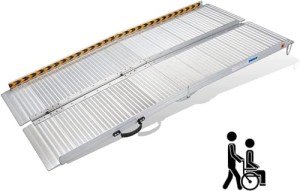
The Importance of Wheelchair Access Ramps
Wheelchair ramps function as a bridge for people with mobility difficulties, enabling them to access buildings, walkways, public transportation, and numerous locations without physical barriers. Here are some crucial reasons that wheelchair access ramps are vital:
- Promote Inclusivity: Ramps allow people with disabilities to participate totally in societal activities.
- Compliance with Regulations: Many countries have laws that need public structures and areas to be accessible.
- Improved Safety: Ramps reduce the risk of accidents that may happen when browsing stairs or unequal surface areas.
- Enhanced Mobility Ramps: They supply hassle-free access for individuals using wheelchairs, walkers, or other assistive devices.
Style Considerations for Wheelchair Ramps
When creating a wheelchair ramp, numerous aspects require to be considered to make sure efficiency and security. Below are some vital style aspects:
| Design Element | Suggestion |
|---|---|
| Slope Ratio | An optimum slope of 1:12 (4.76 degrees) is recommended for accessibility. |
| Width | At least 36 inches broad for standard wheelchair access. |
| Surface area Material | Non-slip products ought to be utilized to prevent accidents, even in wet conditions. |
| Landings | Flat landings at the top and bottom of ramps should be at least 60 inches long. |
| Curbs | 2- to 4-inch curbs can help avoid wheelchairs from rolling off the sides of the ramp. |
| Handrails | Handrails must be positioned at 34 to 38 inches in height on both sides of the ramp. |
Regulations and Standards
In the United States, the Americans with Disabilities Act (ADA) sets clear standards for wheelchair ramps to make sure public availability. Similar guidelines exist in other nations also. Here are some key guidelines from the ADA regarding Wheelchair Loading Ramps ramps:
- Slope: A ramp must have an optimum rise of 30 inches for every single 1 foot of ramp run.
- Width: Ramps must be at least 36 inches wide, although they can be wider for much better accessibility in high-traffic locations.
- Landings: Must be flat and at least 60 inches in length for both the top and bottom of the ramp.
- Surfaces: The surface must be stable, company, and slip-resistant.
- Handrails: Ramps that are more than 6 inches high need to include handrails.
Kinds Of Wheelchair Ramps
There are various kinds of wheelchair ramps tailored for specific requirements and environments. Here are some common types:
-
Permanent Ramps: These are developed from materials such as concrete, wood, or metal and are created for long-lasting usage. They are frequently utilized in public structures and homes.
-
Portable Ramps: Lightweight and easy to carry, portable ramps can be utilized temporarily and are perfect for individuals who require a ramp for short durations.
-
Folding Ramps: These ramps fold in the middle, making them easy to store and transportation. They are best for those who need access to different locations.
-
Limit Ramps: Used mainly for doorways, these ramps help remove small vertical barriers. They are important for homes and buildings where door limits present a challenge.
-
Modular Ramps: Made from premade areas that can be assembled on-site, modular ramps can be customized for specific building requirements and can operate in various settings.
FAQ About Wheelchair Access Ramps
1. Who is accountable for installing wheelchair ramps?
The obligation for setting up wheelchair ramps can vary. In public areas, it is normally the duty of building owners or towns to comply with accessibility policies. In residential areas, homeowners are accountable for installation.
2. Are there monetary help programs for setting up ramps?
Yes, there are various assistance programs, including government financing and non-profit organizations, that aid people afford wheelchair ramp installations. It’s worth researching regional alternatives.
3. How do I keep a wheelchair ramp?
Regularly check the ramp for fractures, extending nails, or loose surfaces. Keeping it clean and complimentary from debris or snow throughout winter season is important for making sure security.
4. Will a wheelchair ramp affect residential or commercial property value?
While setting up a wheelchair ramp may not straight increase residential or commercial property value, it can make a residential or commercial property more appealing to buyers looking for accessibility options.
5. How can I find a certified specialist to install a wheelchair ramp?
Start by looking for contractors who concentrate on availability building. Check recommendations, reviews, and testimonials to guarantee they have experience in building certified ramps.
Wheelchair access ramps are vital for improving ease of access and promoting inclusivity for individuals with Mobility Ramp challenges. By adhering to design standards and policies, these ramps can offer safe and easy access to buildings and public areas. As society relocations towards higher inclusivity, the existence of wheelchair ramps functions as a testament to our commitment to breaking down barriers and opening doors for everybody.
Whether as a small addition to a home or part of a bigger public infrastructure task, these ramps represent a substantial stride towards a more available world for all.


