
static-bike-exercise8701
static-bike-exercise8701
Get To Know With The Steve Jobs Of The Stationary Bike Industry
Understanding Stationary Bikes: A Comprehensive Guide
In the modern world, where fitness is becoming significantly integrated into our day-to-day routines, stationary bicycles have actually become a flexible alternative for cardiovascular training. This post checks out the different kinds of stationary bicycles, their advantages, features to think about when buying one, and how to incorporate them into your fitness routine.
Table of Contents
- Kinds Of Stationary Bikes
- Benefits of Using a Stationary Bike
- Functions to Consider When Buying a Stationary Bike
- Tips for Effective Cycling Workouts
- Often Asked Questions (FAQs)
1. Kinds Of Stationary Bikes
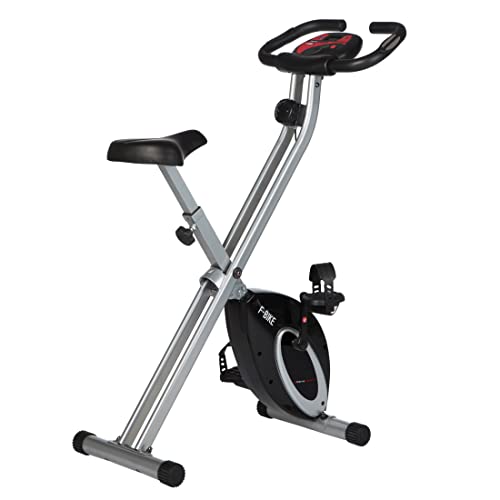
There are numerous types of stationary bikes readily available on the market, each designed to cater to various fitness levels and choices. Below is a summary of the main types:
| Type | Description | Perfect For |
|---|---|---|
| Upright Bike | Features a conventional bike style. The rider sits upright. | People looking for a reasonable biking experience. |
| Recumbent Bike | Provides a reclined seating position with a bigger seat and back assistance. | Those with back issues or those looking for convenience throughout workouts. |
| Spin Bike | Comparable to an upright bike but designed for high-intensity training. | Fitness lovers and those desiring to simulate outdoor cycling. |
| Dual Action Bike | Consists of handlebars that move, providing an upper body workout too. | Individuals seeking a full-body workout. |
2. Benefits of Using a Stationary Bike
Using a stationary bike for exercise offers numerous benefits for physical health and overall wellness. A few of the key benefits consist of:
- Cardiovascular Fitness: Regular biking enhances the heart, improves flow, and increases aerobic capacity.
- Weight Management: Stationary cycling helps burn calories and preserve a healthy weight.
- Joint-Friendly: Cycling is a low-impact exercise, making it appropriate for people with joint pain or injuries.
- Convenience: A stationary bicycle can be utilized inside your home, enabling workouts despite climate condition.
- Customization: Most stationary bicycles offer adjustable resistance levels, accommodating different fitness levels.
3. Features to Consider When Buying a Stationary Bike
When selecting a stationary bicycle, consider the following features to guarantee you select the model that finest fits your needs:
- Comfort: Look for a bike with an adjustable seat and handlebars to accommodate your body size.
- Resistance Levels: Check if the bike uses adjustable resistance to challenge your exercises.
- Display Monitor: An excellent screen monitor reveals important metrics such as time, range, speed, and calories burned.
- Portability: If space is restricted, consider a bike with transport wheels for easy movement.
- Warranty: Look for a bike with a comprehensive guarantee to secure your investment.
Contrast Table of Key Features
| Function | Upright Bike | Recumbent Bike | Spin Bike | Dual Action Bike |
|---|---|---|---|---|
| Comfort | Moderate | High | Moderate | Moderate |
| Resistance Levels | Adjustable | Adjustable | Adjustable | Adjustable |
| Keeping an eye on Display | Standard | Advanced | Fundamental | Advanced |
| Area Requirement | Low | Moderate | Moderate | Moderate |
| Price Range | ₤ 200 – ₤ 700 | ₤ 300 – ₤ 800 | ₤ 300 – ₤ 900 | ₤ 400 – ₤ 900 |
4. Tips for Effective Cycling Workouts
To optimize your stationary bicycle exercises, think about the following pointers:
- Warm Up: Start with a 5-10 minute warm-up at a low resistance level before increasing intensity.
- Stay Hydrated: Keep a water bottle close-by and take sips throughout your exercise.
- Vary Your Workouts: Incorporate interval training by rotating in between high-intensity bursts and healing durations.
- Listen to Music or Watch TV: Engaging your mind can help make exercises more pleasurable and disruptive.
- Track Your Progress: Keep a log of your workouts and note improvements in time to remain determined.
5. Frequently Asked Questions (FAQs)
1. How long should I use a stationary bicycle for effective exercises?
For optimal results, objective for 150 minutes of moderate aerobic activity weekly, which can be divided into 30-minute sessions five times a week.
2. Are stationary bicycles appropriate for novices?
Yes, stationary bicycles are ideal for newbies due to their adjustable resistance and low-impact nature, making them simple to use at any fitness level.
3. Can stationary cycling assist with weight-loss?
Definitely! Routine usage of a stationary bike, combined with a balanced diet, can substantially add to weight loss efforts by burning calories.
4. What should I wear when using a stationary bicycle?
Wear comfortable, moisture-wicking clothes and helpful athletic shoes to make sure a pleasant exercise experience.
5. Is it better to use a stationary bicycle or a treadmill for cardio?
It depends upon personal preference and fitness goals. Stationary bikes are lower impact and much easier on the joints, whereas treadmills can offer weight-bearing exercises that may reinforce bone health.
Stationary bicycles are a wonderful method to incorporate cardiovascular exercise cycle for sale into daily regimens. With various types readily available, in addition to special advantages and features, choosing the best bike can boost fitness levels and improve general wellness. By understanding the functionality of these machines and integrating them into routine exercises, people can cultivate a much healthier way of life with each pedal stroke.


