
self-hoover4770
self-hoover4770
Why Vacuum Mop Cleaner Robot Is Fast Becoming The Hot Trend For 2024?
The Rise of the Robot Cleaner: Exploring the World of Vacuum Mop Cleaner Robots
In today’s hectic world, the demand for convenience and effectiveness in family chores is greater than ever. Amidst the pressure of life, finding time for comprehensive cleaning can seem like a high-end. This is where the ingenious world of vacuum mop cleaner robots actions in, providing a helping hand in keeping beautiful floors with very little effort. These innovative devices are no longer a futuristic dream however a concrete truth, rapidly ending up being a staple in modern homes. By combining the functions of vacuuming and mopping into a single, automated system, these robotics assure to revolutionize home cleaning, permitting people to reclaim their important time and enjoy consistently clean living areas.
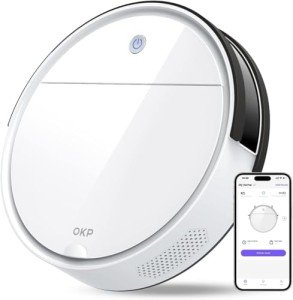
Vacuum mop cleaner robots represent a considerable leap forward in home automation. They are smart, self-navigating gadgets created to autonomously clean floors, taking on both dust, debris, and spills with exceptional ease. These robots are not merely updated vacuum cleaners; they are advanced cleaning systems geared up with advanced sensing units, smart algorithms, and double cleaning mechanisms to supply a detailed floor cleaning service. As innovation continues to advance and rates become more available, the appeal of these robotic vacuum helpers is just set to grow, guaranteeing a future where sparkling tidy floors are effortlessly kept by our automated allies. This short article will look into the world of vacuum mop cleaner robots, exploring their functionality, benefits, types, essential considerations when selecting one, and what the future holds for these significantly popular household companions.
How Vacuum Mop Cleaner Robots Work: A Symphony of Technology
The magic behind vacuum mop cleaner robotics depends on their intricate blend of software and hardware. These devices flawlessly integrate vacuuming and mopping capabilities, running autonomously to deliver an extensive cleaning experience. Understanding their inner functions is vital to appreciating their efficiency and choosing the ideal design for particular requirements.
At their core, vacuum mop cleaner robotics use a combination of innovations to navigate and tidy effectively. Here’s a breakdown of their essential functional elements:
-
Navigation and Mapping: Modern robot vacuum mops make use of advanced navigation systems to understand and map their cleaning environment. Lots of high-end models utilize LiDAR (Light Detection and Ranging) innovation, which utilizes lasers to create an in-depth map of the space. This permits efficient cleaning paths, methodical room protection, and barrier avoidance. Other robots may make use of camera-based visual SLAM (Simultaneous Localization and Mapping) or count on infrared sensors and gyroscopes for navigation. Simpler designs might use a more random or bounce-based navigation system, which, while less efficient, still does the job over time.
-
Vacuuming System: The vacuuming function is normally powered by a motor that creates suction. This suction, integrated with turning brushes underneath the robot, raises dust, dirt, pet hair, and other debris from the floor. Gathered debris is then transported into an internal dustbin. The suction power and brush design can differ between models, influencing their effectiveness on various floor types and in getting numerous kinds of dirt.
-
Mopping System: This is where vacuum mop robotics genuinely differentiate themselves. They are geared up with a water tank and a mopping pad. Water is dispensed onto the pad, which is then dragged or rotated across the floor surface. Various models make use of numerous mopping mechanisms:
- Dragging Mop Pads: These are the simplest and most common. The robot drags a wet microfiber pad across the floor.
- Vibrating Mop Pads: Some robotics include vibrating mop pads that scrub the floor better, loosening harder spots and grime.
- Rotating Mop Pads: More innovative models make use of turning mop pads that imitate manual mopping actions, providing a much deeper tidy and much better stain elimination abilities.
- Sonic Mopping: Premium robots integrate sonic vibration innovation, developing high-frequency vibrations in the mopping pad for intensely reliable scrubbing.
-
Sensing units and Intelligence: A range of sensing units are vital for robot operation. Cliff sensing units avoid robotics from dropping stairs. Bump sensing units discover challenges. Wall sensors enable edge cleaning. The robot’s software application and algorithms procedure sensing unit data to make smart choices about cleaning paths, challenge avoidance, and returning to the charging dock when the battery is low or cleaning is total. Lots of robotics now provide smart device app integration, allowing features like scheduling, zone cleaning, and real-time tracking.
The Plethora of Perks: Why Choose a Vacuum Mop Robot?
The appeal of vacuum mop cleaner robotics is not simply a passing pattern; it is rooted in the concrete benefits they use to modern-day homes. Purchasing among these devices can significantly improve your quality of life and home environment in numerous ways:
-
Time and Effort Savings: This is maybe the most compelling benefit. Robot vacuum mops automate a lengthy chore, freeing up your valuable time to focus on other concerns, whether it’s work, household, pastimes, or just relaxation.
-
Consistent Cleanliness: Unlike handbook cleaning which may be sporadic, robots can be programmed to tidy everyday or perhaps numerous times a day, ensuring consistently clean floorings and a much healthier living environment.
-
Reaching Under Furniture: Their low profile enables robots to easily navigate under furniture like beds, couches, and cabinets, areas that are often tough to reach with conventional vacuums and mops.
-
Set up Cleaning: With app control and scheduling functions, you can set the robot to clean up at specific times, even when you’re not home. Think of coming home to newly cleaned floorings every day without lifting a finger!
-
Improved Air Quality: By regularly vacuuming and eliminating dust and irritants from floorings, robot vacuum mops contribute to enhanced indoor air quality, which can be especially advantageous for people with allergic reactions or breathing level of sensitivities.
-
Minimized Physical Strain: For people with mobility problems, back issues, or merely those who discover vacuuming and mopping physically requiring, a robot cleaner uses a welcome reprieve, getting rid of the need for laborious physical activity.
-
Pet Hair Management: Robot vacuum mops are especially effective at taking on pet hair, a typical household annoyance for pet owners. Regular cleaning minimizes pet dander and keeps homes cleaner and more sanitary for both pets and their owners.
Browsing the marketplace: Types of Vacuum Mop Robots
The marketplace for vacuum mop cleaner robots is diverse, with numerous designs dealing with various requirements and budgets. Comprehending the various types can help you make an informed choice:
-
2-in-1 Vacuum and Mop Robots: These are the most typical type, integrating both vacuuming and mopping performances in a single unit. They normally change between modes or run both simultaneously depending upon the design.
-
Dedicated Vacuum Robots with Mopping Attachment: Some robotics are mainly developed for vacuuming but use a removable mopping module. These might be a great choice for those who focus on strong vacuuming abilities but desire occasional mopping performance.
-
Dry Mopping vs. Wet Mopping Robots: While essentially all “mop” robotics offer wet mopping to some level, some are better matched for mostly dry sweeping and light wet mopping for dust elimination. Others are created for more robust damp mopping with functions like adjustable water circulation and scrubbing pads.
-
Navigation Technology Based Classification:
- LiDAR Navigation Robots: Offer the most precise navigation, efficient cleaning courses, and advanced functions like space mapping, zone cleaning, and no-go zones.
- Camera-Based Navigation Robots: Use visual SLAM for mapping and navigation, frequently supplying good protection and item acknowledgment.
- Infrared and Gyroscope Navigation Robots: More economical options that use sensing units and gyroscopes for navigation, normally less methodical and efficient than LiDAR or camera-based systems.
- Random/Bounce Navigation Robots: Basic models that move arbitrarily, altering instructions upon experiencing challenges. While less efficient, they can still clean successfully gradually, specifically in smaller sized spaces.
-
Feature-Based Classification:
- Self-Emptying Robots: These robotics immediately empty their dustbins into a bigger base station, substantially decreasing upkeep frequency.
- App-Controlled Robots: Offer smartphone app combination for scheduling, remote control, zone cleaning, real-time mapping, and more.
- Smart Home Integration Robots: Compatible with voice assistants like Alexa or Google Assistant, enabling voice-activated cleaning commands and automation within smart home environments.
Key Considerations: Choosing the Right Robot for Your Home
With a broad variety of options readily available, selecting the right vacuum mop robot requires mindful factor to consider of your particular requirements and home environment. Here are some essential elements to evaluate:
- Floor Type Compatibility: Consider the types of floor covering in your home. Some robotics perform better on tough floorings, while others are created to manage carpets and rugs efficiently. Look for brush type and suction power suitability for your floor surfaces.
- Suction Power: Higher suction power is generally much better for getting pet hair, ingrained dirt, and particles from carpets and rugs. For primarily hard floorings, moderate suction may be sufficient.
- Mopping Effectiveness: Evaluate the mopping system. Consider whether you require light moist mopping for dust removal or more robust damp mopping for stain removal. Features like vibrating or rotating mop pads improve mopping efficiency.
- Battery Life and Coverage Area: Ensure the robot’s battery life and coverage location suffice for cleaning your whole home in a single charge. Inspect the manufacturer’s specs and consider your home’s size.
- Navigation and Mapping System: For bigger homes or those with intricate designs and multiple spaces, LiDAR or camera-based navigation is highly suggested for effective cleaning and organized coverage.
- Features: Consider preferred features like app control, scheduling, zone cleaning, no-go zones, self-emptying, and smart home integration based upon your lifestyle and preferences.
- Maintenance Requirements: Think about the upkeep involved. Self-emptying robots decrease dustbin emptying frequency. Examine the ease of cleaning brushes, changing filters, and maintaining mopping pads.
- Spending plan: Robot vacuum mops vary in price from economical to premium. Determine your budget plan and focus on functions that are essential to you.
Keeping Your Robot Running Smoothly: Maintenance and Care
To guarantee your vacuum mop robot continues to perform optimally and delights in a long life expectancy, regular maintenance is vital. Basic upkeep jobs can significantly impact its efficiency and durability:
- Empty the Dustbin Regularly: This is essential for maintaining suction power. Empty the dustbin after each cleaning cycle or as frequently as suggested by the producer. For self-emptying robots, ensure the base station dustbin is likewise emptied periodically.
- Clean the Brushes: Hair, threads, and debris can get tangled in the brushes. Routinely remove and clean the brushes to preserve their effectiveness. Some robotics feature cleaning tools particularly designed for this purpose.
- Tidy or Replace Filters: Filters trap dust and allergens. Routinely clean or replace filters as per the maker’s guidelines to maintain good air quality and suction.
- Tidy the Mopping Pads: Wash or replace mopping pads routinely to preserve hygiene and mopping effectiveness. Follow the maker’s guidelines for cleaning or replacing pads.
- Inspect and Clean Sensors: Sensors are crucial for navigation. Occasionally tidy sensors with a soft, dry cloth to guarantee they are devoid of dust and particles, preserving accurate navigation.
- Keep Water Tank (if appropriate): For robotics with water tanks, frequently clean the tank and guarantee it is free of mineral buildup. Usage distilled water if advised by the manufacturer to avoid mineral deposits.
- Software Updates: If your robot is app-controlled, keep the robot’s firmware and app updated to benefit from performance improvements and brand-new features.
The Future is Automated: Looking Ahead for Vacuum Mop Robots
The advancement of vacuum mop cleaner robots is far from over. The future holds exciting possibilities and advancements poised to further improve their capabilities and integration into our lives:
- Enhanced AI and Smart Features: Expect more advanced AI combination for enhanced item recognition, obstacle avoidance, and customized cleaning regimens based upon discovering your home layout and cleaning choices.
- Improved Navigation and Mapping: Navigation systems will end up being a lot more accurate, effective, and versatile to vibrant home environments. Robotics might find out to navigate around moving barriers and adapt to modifications in furnishings positioning.
- More Powerful and Versatile Cleaning: Suction power and mopping efficiency will continue to enhance, allowing robotics to tackle even tougher cleaning challenges and numerous floor types with higher effectiveness.
- Combination with Smart Home Ecosystems: Seamless combination with broader smart home communities will become more widespread, enabling more advanced automation scenarios and voice control capabilities.
- Self-Cleaning and Self-Maintenance: Future robotics may include self-cleaning features for brushes and mopping pads, even more decreasing maintenance burden.
In Conclusion:
Vacuum mop cleaner robots are no longer a futuristic novelty but a valuable and practical addition to the modern-day home. They offer a compelling service for busy people and families seeking to preserve tidy floors with minimal effort. By comprehending their functionality, advantages, types, and key considerations, you can make a notified decision and select a robot that perfectly complements your way of life and cleaning needs. As technology continues to advance, these automated cleaning buddies will only become more smart, effective, and vital in our quest for cleaner, healthier, and easier home.
Often Asked Questions (FAQs) about Vacuum Mop Cleaner Robots
Q: Are vacuum mop cleaner robotics worth the money?A: For many, the response is yes. The time and effort saved, combined with regularly tidy floorings and the benefit of automated cleaning, typically exceed the initial financial investment. Consider your way of life and how much you value your time and cleanliness when making this choice.
Q: Can robot vacuum mops replace routine vacuums and mops totally?A: For everyday cleaning and upkeep, they can considerably minimize or even eliminate the need for conventional vacuums and mops. Nevertheless, for deep cleaning, dealing with big spills, or cleaning upholstery and other surfaces, you might still require a traditional vacuum or mop.
Q: Do robot vacuum mops deal with all floor types?A: Most contemporary robots work well on tough floorings like tile, hardwood, laminate, and vinyl. Many can likewise handle low-pile carpets and rugs. Nevertheless, really thick carpets or shag carpets might position challenges for some designs. Constantly check the manufacturer’s specifications for floor type compatibility.
Q: What type of maintenance is needed for a vacuum mop robot?A: Regular upkeep consists of emptying the dustbin, cleaning brushes, cleaning or changing filters, cleaning mopping pads, and occasionally cleaning sensors. Upkeep frequency differs depending upon use and the particular model.
Q: How long do vacuum mop robots usually last?A: The life-span of a robot vacuum mop depends on usage, upkeep, and develop quality. Usually, with proper care, a good quality robot can last for a number of years (3-5 years or more). Battery life might deteriorate with time and may ultimately require replacement.
Q: Are vacuum mop robotics safe for pets and kids?A: Generally, yes. They are designed to navigate around barriers. Nevertheless, it’s always sensible to monitor family pets and little kids at first to guarantee they do not hinder the robot’s operation or vice versa. Keep little items and cables out of the robot’s path to avoid entanglement.
Q: Can robot vacuums & mops vacuum mops climb stairs?A: No, many robot Vacuum Robot mops are created for single-level cleaning. They are geared up with cliff sensors to avoid them from dropping stairs, however they can not climb stairs themselves. For multi-level homes, you would normally need a robot for each level or by hand move the robot in between floors.
Q: How loud are vacuum mop robots?A: Noise levels vary in between designs. Normally, they are quieter than standard vacuum. Numerous run at a sound level comparable to a peaceful discussion. Some designs offer a “quiet mode” for even quieter operation.
Q: Can I utilize cleaning options in the water tank of a robot mop?A: It is essential to check the manufacturer’s suggestions. Some robots are designed to only use plain water in the water tank. Using certain cleaning solutions can damage the robot or void the warranty. If enabled, utilize only mild, diluted cleaning solutions particularly approved for robot mops.


