
sea-containers3079
sea-containers3079
10 No-Fuss Methods For Figuring Out The Shipping Container Dimensions In Your Body.

Understanding Shipping Container Dimensions: A Comprehensive Guide
In today’s globalized economy, Shipping Container Prices containers play an essential role in the transport and storage of goods. Comprehending their dimensions can be essential for services associated with logistics, trade, and transportation. This blog site post will look into the numerous shipping container dimensions, their types, and the crucial elements to think about when selecting a container for your requirements.
What is a Shipping Container?
A shipping container is a large standardized box developed for the effective transportation of cargo, generally by ship, truck, or rail. These containers are produced to facilitate global trade and simplify the shipping procedure. They can be found in basic sizes to ensure compatibility throughout shipping lines and modes of transport.
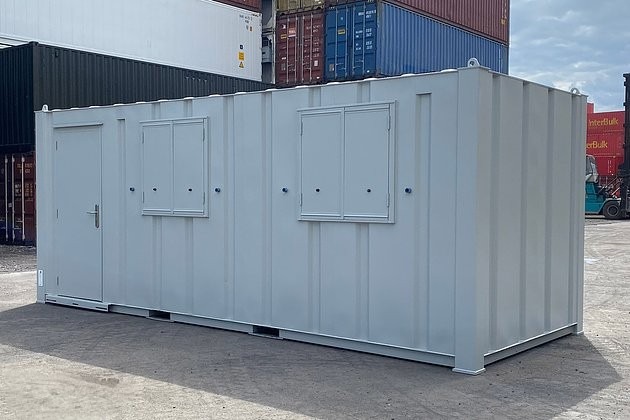
Requirement Shipping Container Dimensions
Shipping Container Conversion containers come in different sizes, with the most common dimensions being 20-foot and 40-foot containers. Below is a table laying out the basic dimensions for these container types:
| Container Type | Length (Feet) | Width (Feet) | Height (Feet) | Volume (Cubic Feet) | Weight Limit (Tons) |
|---|---|---|---|---|---|
| 20ft Standard | 20 | 8 | 8.5 | 1,172 | 22 |
| 40ft Standard | 40 | 8 | 8.5 | 2,390 | 28 |
| 40ft High Cube | 40 | 8 | 9.5 | 2,694 | 28 |
| 45ft High Cube | 45 | 8 | 9.5 | 3,040 | 30 |
| 20ft Refrigerated | 20 | 8 | 8.5 | 1,172 | 22 |
| 40ft Refrigerated | 40 | 8 | 8.5 | 2,390 | 28 |
Kinds Of Shipping Containers
-
Requirement Containers: These are the most common and affordable alternative for shipping non-perishable products.
-
High Cube Containers: An additional foot taller than standard containers, these are perfect for carrying large items that require additional vertical area.
-
Refrigerated Containers (Reefers): Perfect for perishable products, these containers keep a controlled temperature level throughout transport.
-
Open Top Containers: These containers have no top, permitting for simple loading of tall cargo; they frequently come with a tarpaulin cover.
-
Flat Rack Containers: Buy Used Shipping Containers for heavy and oversized cargo, these containers do not have sides or a roofing system, making them versatile for special shapes and sizes.
-
Tank Containers: Specifically developed for transferring liquids, these containers are constructed to hold a range of compounds, consisting of chemicals and food-grade liquids.
Elements to Consider When Choosing Container Dimensions
When identifying which shipping container dimensions best fit your requirements, consider the following elements:
-
Type of Cargo: The dimensions needed will depend on the type and size of goods you want to transport. Heavy or extra-large items might demand a flat rack or open top container storage.
-
Weight Capacity: It’s essential to guarantee that the container can support the weight of the cargo without surpassing legal weight limits.
-
Volume and Space: Assess how much space is required for the products and if the dimensions selected would supply enough room without leaving unneeded void.
-
Transport Mode: Different modes of transportation might have limitations on container sizes, so this element must be considered when preparing shipments.
Often Asked Questions (FAQs)
1. What are the most typically used shipping container sizes?
The most typically used shipping container sizes are the 20-foot and 40-foot containers. The 40-foot high cube container is also popular for those needing additional vertical area.
2. Just how much weight can a standard 20-foot container hold?
A basic 20-foot container can generally hold up to 22 tons or 44,000 pounds of cargo.
3. What is the distinction between standard and high cube containers?
The main distinction is height; high cube containers are an extra foot taller, offering more vertical area for cargo.
4. Can shipping containers be modified?
Yes, Steel Shipping Containers containers can be modified for different usages, including producing portable offices, property areas, or specialized storage solutions for specific types of products.
5. Are shipping containers waterproof?
Yes, shipping containers are built to be weatherproof, however they can still undergo use gradually. Appropriate upkeep is essential to guarantee their durability and stability.
Comprehending shipping container dimensions and types is important for companies and people associated with shipping and logistics. By picking the ideal container, one can enhance space, guarantee security, and efficiently satisfy legal requirements related to weight and dimensions.
Whether you’re an experienced logistics expert or simply starting, having a comprehensive grasp of shipping container dimensions will assist streamline your shipping processes, alleviate risks, and increase performance. By being well-informed, companies can prevent common risks and navigate the complexities of transportation more easily.


