
robotic-vacuum-cleaners2061
robotic-vacuum-cleaners2061
The Most Significant Issue With Automatic Vacuum Cleaner, And How You Can Repair It
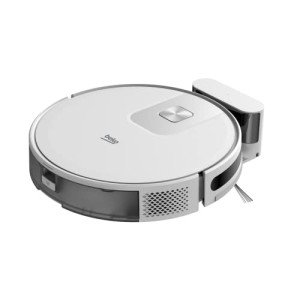
The Rise of the Robots: A Deep Dive into Automatic Vacuum Cleaners
The humdrum chore of vacuuming floorings has long been a necessary evil in maintaining a clean and comfortable home. Nevertheless, in an age of increasing automation and smart home technology, a little robotic helper has actually emerged to take over this job: the robotic vacuum cleaner. These intelligent gadgets, often described as robot vacuums & mops vacuums or robovacs, are no longer a futuristic fantasy but a useful truth for millions worldwide. They offer a hands-free technique to floor cleaning, promising to maximize valuable time and effort for house owners and simplifying everyday routines. This short article explores the world of robotic vacuum, exploring how they work, their advantages, the various types available, and what factors to think about when picking the right one for your requirements.
Robotic vacuum are basically autonomous mobile robotics created particularly for cleaning floors. They navigate and tidy spaces automatically, utilizing a mix of sensing units, brushes, and suction to gather dust, dirt, debris, and even pet hair. Their increasing appeal comes from the benefit and time-saving benefits they offer. Rather of manually pressing and pulling a conventional vacuum cleaner, users can simply push a button, schedule a cleaning time, or even manage their robot vacuum through a smart device app, letting the device manage the floor cleaning independently.
How Robotic Vacuum Cleaners Work: A Symphony of Sensors and Algorithms
The magic behind robotic vacuum cleaners lies in their sophisticated mix of software and hardware. These gadgets are equipped with a variety of sensing units that permit them to view their environment and browse effectively. These sensors can include:
- Bump Sensors: To discover physical barriers and alter instructions upon contact.
- Cliff Sensors: To prevent the robot from dropping stairs or ledges.
- Wall Sensors: To enable the robot to follow walls and clean edges efficiently.
- Optical or Infrared Sensors: For mapping and navigation, helping the robot understand its position and orientation within a space.
- LiDAR (Light Detection and Ranging): In more innovative designs, LiDAR technology uses laser beams to create a comprehensive map of the home, enabling highly effective and methodical cleaning patterns.
- Video cameras: Some high-end robotics incorporate cams for visual navigation, things acknowledgment, and even home monitoring.
These sensing units feed information into the robot vacuum’s internal computer system, which uses complicated algorithms to identify the most efficient cleaning path. Early designs frequently utilized random or bounce-based navigation, relocating an apparently haphazard pattern until they covered the area. Nevertheless, contemporary robotic vacuums use more sophisticated systematic navigation approaches. These can consist of:
- Zig-Zag or Back-and-Forth Patterns: Cleaning in straight lines for arranged protection.
- Spiral Cleaning: Focusing on a greatly soiled area and spiraling outwards.
- Room-by-Room Cleaning: Navigating and cleaning one space completely before transferring to the next, often based upon a pre-mapped design.
Beyond navigation, the cleaning system itself involves turning brushes that sweep dirt and debris towards a suction nozzle. The suction motor then pulls the collected product into a dustbin within the robot. Some models also include side brushes to successfully tidy along edges and corners.
The Benefits of Embracing Robotic Cleaning
Investing in a robotic vacuum cleaner uses a wide variety of benefits that go beyond merely automating a chore. Here are some essential benefits:
-
Unparalleled Convenience and Time-Saving: This is arguably the most substantial benefit. Robotic vacuums run autonomously, releasing up your time to focus on other tasks or simply relax. Scheduling cleaning sessions while you are at work or asleep maximizes effectiveness and ensures regularly clean floorings with no manual effort.
-
Consistent and Regular Cleaning: Robotic vacuums can be programmed to tidy day-to-day or numerous times weekly, guaranteeing a consistent level of cleanliness that manual vacuuming may not always attain. This regular cleaning can prevent the accumulation of dust, irritants, and dirt.
-
Availability to Hard-to-Reach Areas: Their low profile enables robotic vacuums to quickly navigate under furniture like beds, sofas, and coffee tables, locations that are typically hard or cumbersome to reach with traditional upright or container vacuums.
-
Smart Features and Automation: Many designs come equipped with smart features like smart device app control, voice assistant compatibility, scheduling capabilities, and real-time mapping. These features enable tailored cleaning routines, remote control, and tracking from anywhere.
-
Reliable Pet Hair Management (in pet-specific designs): For pet owners, robotic vacuums, particularly those created for pet hair, can be a game-changer. They can efficiently tackle pet hair, dander, and tracked-in litter, helping to keep a cleaner and much healthier home environment.
-
Possibly Improved Air Quality: Many robotic vacuums are geared up with HEPA filters or similar purification systems that trap fine dust particles and irritants, possibly contributing to improved indoor air quality.
Exploring the Spectrum of Robotic Vacuum Cleaners
The marketplace uses a varied series of robotic vacuum cleaners accommodating various needs and budgets. Understanding these categories can assist you limit your options:
-
Entry-Level or Basic Models: These are usually the most economical options. They typically include random navigation and fundamental cleaning functionalities. While they may not be as effective or feature-rich as higher-end models, they can still provide a substantial upgrade from manual vacuuming for smaller sized spaces or light cleaning needs.
-
Mid-Range Models: These designs strike a balance between functions and cost. They typically incorporate systematic navigation, mobile phone app control, zone cleaning (allowing you to define locations to clean or prevent), and improved suction power compared to basic models.
-
Premium or High-End Models: At the top end of the spectrum are the premium robotic vacuums. They boast innovative features such as LiDAR or camera-based mapping, things recognition and avoidance, self-emptying dustbins, and often even mopping capabilities. These models provide the most advanced and hands-off cleaning experience.
-
Specialized Models (e.g., Pet-Focused): Some manufacturers offer designs particularly designed for pet owners. These frequently function improved suction power, tangle-free brush styles to manage pet hair, and bigger dustbins.
Key Features to Consider When Choosing Your Robot Companion
Selecting the ideal robotic automatic vacuum cleaner uk involves considering numerous aspects to guarantee it meets your specific cleaning requirements and home environment. Here are some vital functions to evaluate:
- Navigation System: Consider the type of navigation. Systematic navigation (LiDAR or camera-based) is typically more efficient and offers much better coverage than random navigation, specifically for bigger homes.
- Suction Power: Suction power is an important consider cleaning efficiency, especially for carpets and homes with animals. Try to find models with adjustable suction levels to accommodate various floor types.
- Battery Life and Coverage Area: Ensure the battery life is sufficient to clean your entire home on a single charge. Inspect the producer’s specs for protection area, usually determined in square feet or runtime.
- Filtration System: If you or someone in your household has allergies, a HEPA filter is a valuable function to trap fine dust and allergens.
- Smart Features: Determine which smart functions are essential to you. App control, scheduling, voice control compatibility, mapping, and no-go zones can substantially enhance functionality and customization.
- Brush Type: The type of brush roll (or brush rolls) can affect cleaning efficiency on different floor types. Some designs have actually specialized brushes for carpets or tough floors.
- Dustbin Capacity and Emptying Mechanism: A bigger dustbin lowers the frequency of clearing. Self-emptying models, while more pricey, offer ultimate convenience by instantly transferring collected debris into a larger base station dustbin.
- Noise Level: Robot vacuums are typically quieter than conventional vacuums, but sound levels can vary. If sound sensitivity is an issue, inspect the maker’s sound level specifications.
- Mopping Capability (for 2-in-1 designs): Some robotic vacuums use mopping functionality in addition to vacuuming. Consider this function if you have tough floorings and desire a device that can deal with both dry and damp cleaning.
Preserving Your Robotic Vacuum for Optimal Performance
Like any appliance, routine upkeep is key to ensuring your robotic vacuum cleaner runs efficiently and lasts longer. Easy maintenance tasks consist of:
- Regularly Emptying the Dustbin: Empty the dustbin after each cleaning cycle or as required to keep optimum suction.
- Cleaning or Replacing Brushes: Periodically tidy twisted hair and debris from the brushes. Change brushes as they wear out to maintain cleaning efficiency.
- Cleaning Sensors: Gently tidy the sensors with a soft, dry cloth to ensure precise navigation and obstacle detection.
- Changing Filters: Replace filters according to the maker’s suggestions to maintain effective purification and air quality.
- Monitoring and Cleaning Wheels and Rollers: Ensure wheels and rollers are devoid of particles and rotate efficiently for optimal mobility.
Conclusion: Embracing the Future of Floor Cleaning
Robotic vacuum have reinvented the method we approach floor cleaning, providing a blend of convenience, efficiency, and smart innovation. From standard models to highly advanced gadgets, there is a robotic vacuum cleaner to fit almost every need and spending plan. By comprehending their functionalities, benefits, and key functions, you can make an informed choice and welcome a robotic assistant into your home, recovering your time and taking pleasure in regularly clean floors with very little effort. As innovation continues to evolve, robotic vacuum are poised to end up being an even more vital part of modern homes.
Frequently Asked Questions (FAQs) about Robotic Vacuum Cleaners
Q: Are robotic vacuums effective on carpets?
A: Yes, numerous robotic vacuums work on carpets, particularly those with strong suction power and specialized brush rolls designed for carpet cleaning. Nevertheless, the level of effectiveness can differ depending on the carpet stack height and the robot vacuum model. Higher-end models typically perform better on carpets.
Q: How long do robotic vacuum batteries normally last?
A: The battery life of robotic vacuums varies depending upon the model and settings. Typically, batteries can last anywhere from 60 to 180 minutes on a single charge. Some high-end designs can even run for longer and frequently feature auto-recharge and resume performances for bigger homes.
Q: Can robotic vacuums effectively tidy pet hair?
A: Yes, lots of robotic vacuums are designed to manage pet hair. Look for models specifically marketed for pet owners, as they typically have functions like strong suction, tangle-free brush rolls, and bigger dustbins to efficiently manage pet hair and dander.
Q: Do robotic vacuums work on multiple floor types?
A: Yes, a lot of robotic vacuums are designed to transition in between various floor types, such as wood, tile, and carpet. Numerous models automatically change suction power based on the floor surface for optimum cleaning.
Q: How typically should I run my robotic vacuum cleaner?
A: The frequency of cleaning depends upon your requirements and lifestyle. For general upkeep and to prevent dust and particles buildup, running your robotic vacuum daily or every other day is recommended. In homes with animals or high traffic, day-to-day cleaning may be more advantageous.
Q: Are robotic vacuum loud?
A: Robotic automatic vacuum cleaner uk cleaners are normally quieter than traditional upright or canister vacuums. However, the noise level can still differ in between designs. The majority of fall within a variety of 55 to 70 decibels, which is equivalent to the sound of a regular conversation or a dishwashing machine. Some manufacturers supply sound level specs for their models.


