ramps-for-wheelchairs8771
ramps-for-wheelchairs8771
Guide To Home Wheelchair Ramps: The Intermediate Guide Towards Home Wheelchair Ramps
Understanding Home Wheelchair Ramps: A Comprehensive Guide
Ease of access in our homes is important for guaranteeing that everyone, despite their physical capability, can take pleasure in the space easily and individually. Wheelchair ramps have become a vital solution for people with mobility difficulties, providing an important ways of accessing their homes and browsing various surface areas. This post will look into the types of home wheelchair ramps, setup considerations, choosing the right ramp, and regularly asked questions surrounding these important tools.
Kinds Of Home Wheelchair Ramps
Home Electric Wheelchair Ramps ramps come in a range of designs and styles to accommodate different needs and living scenarios. Below is a table summing up the most common kinds of wheelchair ramps offered for domestic usage:
| Type of Ramp | Description | Pros | Cons |
|---|---|---|---|
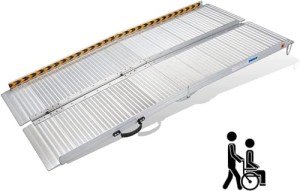
| Portable Ramp For Wheelchairs Metal Ramps For Wheelchairs | Lightweight and simple to transport; suitable for temporary usage. | Affordable; easy to store and move. | May require manual setup and takedown. |
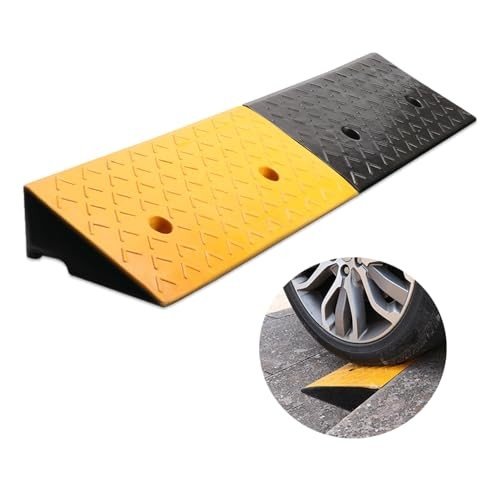
| Threshold Ramps | Created to bridge small height differences at entrances. | Easy setup; can typically be utilized inside your home. | Restricted height; not appropriate for high inclines. |
| Strong Surface Ramps | Built from materials like wood or aluminum, these ramps offer robust support and stability. | Resilient; appropriate for a variety of outdoor conditions. | Can need professional setup; permanent. |
| Modular Ramps | Personalized ramps that can be reconfigured based on altering needs. | Flexible design; suitable for numerous heights. | Greater preliminary investment; permanence. |
| Folding Ramps | Can be folded for simple transport and storage; typically made of lightweight materials. | Flexible and portable; easy to set up. | Restricted weight capability compared to solid ramps. |
Choosing the Right Ramp
Choosing the proper wheelchair ramp for a home needs cautious consideration of various elements. Here is a list of elements to remember:
-
Height and Incline:
- Measure the height difference between the ground and the entrance indicate make sure the selected ramp is long enough to produce a safe slope, usually a ratio of 1:12 (1 inch in increase = 12 inches in length).
-
Weight Capacity:
- Consider the weight capability of the ramp. Many ramps support between 300 to 800 pounds, however it’s important to check specific standards, specifically for much heavier Mobility Scooter Ramps gadgets.
-
Usage:
- Determine if the ramp will be utilized mostly inside your home or outdoors, as this will impact the material and design option.
-
Product:
- Ramps can be made from a number of materials, including aluminum, wood, and fiberglass. Each comes with its own set of advantages and disadvantages concerning sturdiness, weight, and maintenance.
-
Installation:
- Assess whether you can set up the ramp yourself or if professional assistance is required. Some ramps may require more complex building skills.
-
Local Regulations:
- Be conscious of any regional building regulations and guidelines concerning setup, especially for long-term structures.
Setup Considerations
When preparing to install a wheelchair ramp in your home, one need to take specific considerations into account. These include:
-
Space: Ensure there is adequate space to accommodate the ramp without obstructing other areas.
-
Foundation: A solid and level structure assists keep stability and security.
-
Security Features: Look for ramps geared up with features such as non-slip surfaces, hand rails, and side barriers.
Regularly Asked Questions (FAQ)
Q1: How do I determine the slope of a wheelchair ramp?A: The advised slope for wheelchair ramps is 1:12, suggesting for each inch of vertical rise, there must be at least 12 inches of ramp run to keep the incline manageable and safe.
Q2: Are there monetary help programs for wheelchair ramps?A: Yes, different governmental and non-profit organizations use grants and financial help for home adjustments, consisting of wheelchair ramps. Contact local disability services or foundations for details.
Q3: Can I build a wheelchair ramp myself?A: Yes, depending upon your abilities, you can build a ramp. However, you must follow local building codes and security standards. For more complex designs, hiring a professional is a good idea.
Q4: What maintenance do wheelchair ramps need?A: Regular inspection for wear and tear, looking for slippery surfaces, and guaranteeing that handrails stay safe are essential maintenance jobs. Tidy the ramp regularly to remove dirt and particles.
Q5: What are the common materials used for outside wheelchair ramps?A: Common products for outdoor ramps include aluminum, which is lightweight and rust-resistant, and dealt with wood, which is long lasting however may require more upkeep.
Home wheelchair ramps play a pivotal function in enhancing accessibility for individuals with mobility difficulties. By understanding the numerous types, setup factors to consider, and often asked questions, property owners can make educated choices that will significantly improve their loved ones’ independence and quality of life. Making sure that homes remain accessible not just breaks down physical barriers but also fosters an inclusive environment for everyone.