
non-powered-treadmill7847
non-powered-treadmill7847
Non Powered Treadmill Tools To Ease Your Daily Lifethe One Non Powered Treadmill Trick Every Person Should Be Able To
The Rise of Non-Powered Treadmills: A Deep Dive into Their Benefits and Features
In a world significantly concentrated on health, health, and physical fitness, the alternatives for workout devices seem endless. Among these, non-powered treadmills are acquiring substantial traction. These machines, which do not depend on electrical power to run, use an unique mix of advantages and benefits that accommodate a diverse audience. This article checks out the functions, advantages, and factors to consider related to Non Motorised Treadmill Uk-powered treadmills, while likewise responding to common questions surrounding them.
What is a Non-Powered Treadmill?
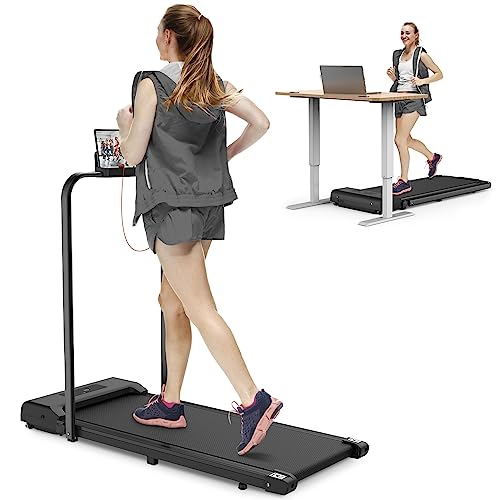
A non-powered treadmill, frequently referred to as a manual treadmill, is a type of treadmill that is operated by the user’s movement rather than an electric motor. Users power the belt forward by walking or running, making it a flexible alternative for cardio exercises. Non-powered treadmills are frequently seen in home gyms, fitness studios, and rehabilitation centers due to their simplicity and effectiveness.
Contrast: Non-Powered vs. Powered Treadmills
To comprehend the growing popularity of non-powered treadmills, it’s vital to compare them versus their powered equivalents. The table below highlights some crucial differences:
| Feature | Non-Powered Treadmill | Powered Treadmill |
|---|---|---|
| Power Source | Manual (user-driven) | Electric (motor-driven) |
| Cost | Typically more inexpensive | Frequently more costly |
| Upkeep | Low maintenance needs | Greater maintenance requirements |
| Area Requirements | Typically less bulky | Can be large and heavy |
| Incline Adjustment | Manual modifications | Automatic settings readily available |
| Exercise Intensity | Variable; depends upon user effort | Constant; speeds set by the user |
| Danger of Injury | Lower, promotes natural movement | Higher, due to speed settings |
Training Benefits of Non-Powered Treadmills
-
Engagement of Core Muscles: Non-powered treadmills demand a higher level of balance and core engagement. Users must stabilize themselves, which in turn incorporates core strength into the exercise.
-
Natural Running Mechanics: As users propel the tread, they simulate natural running or walking strategies, minimizing the risks of injury connected with busy powered treadmills.
-
Personalized Speed and Intensity: Because the treadmill counts on user effort, people can pick their workout speed, making it ideal for both novices and advanced professional athletes.
-
Increased Caloric Burn: Research indicates that users might burn more calories on a non-powered treadmill compared to a powered one at similar strengths. The factor? Manual treadmills can push the body to work more difficult and to keep a higher level of strength throughout the exercise.
-
Durability: Non-powered treadmills are normally more rugged and developed to last, with fewer electronic elements that may stop working in time.
Factors to consider for Choosing a Non-Powered Treadmill
Before making a purchase, possible buyers need to think about the following functions:
| Feature | Considerations |
|---|---|
| Weight Limit | Guarantee it fits your physique and requires |
| Belt Size | A broader belt can supply more comfort, particularly for running |
| Incline Settings | Search for options to adjust incline for differing exercise intensity |
| Frame Construction | Choose resilient products that can stand up to strenuous use |
| Mobility | Consider models that are simple to move or store out of the way |
Often Asked Questions (FAQ)
1. Are non-powered treadmills appropriate for everybody?Yes, these treadmills are typically suitable for users of all fitness levels. However, individuals with particular health issues need to seek advice from a doctor before beginning any new workout program.
2. How much do non-powered treadmills cost?Prices can differ extensively, normally ranging from ₤ 200 to upwards of ₤ 2,000 based on quality and features. Manual options tend to be more budget friendly than powered variations.
3. How do I keep a non-powered treadmill?Maintenance tends to be very little; merely ensure that the belt is clean and look for wear and tear sometimes. It’s likewise essential to keep moving parts oiled for smooth operation.
4. Can I run or stroll on a non-powered treadmill?Yes, non-powered treadmills are created for both walking and running. Users can adjust their exercise strength based upon speed and stride.
5. Do I require to adjust the incline manually?Yes, most non-powered treadmills require Manual Incline Treadmill modifications for incline changes, allowing users to vary their exercises as desired.
The non-powered treadmill stands as a useful and effective exercise service, perfect for those looking to enhance their exercise routine without the intricacies of powered machines. By offering an extensive exercise that engages the core and works the body holistically, these treadmills are created to produce an efficient cardio experience that accommodates all fitness levels. Their cost, sturdiness, and general efficiency for calorie burning contribute to their increase in popularity.
Whether you are an experienced athlete searching for a harder exercise or a newbie taking those primary steps toward fitness, non powered treadmill-powered treadmills provide a welcoming alternative to the conventional electric treadmill. With the included benefit of lower maintenance and cost, they should have factor to consider on your physical fitness journey.