
hob-hood3490
hob-hood3490
What’s The Current Job Market For Kitchen Extractor Hood Professionals?
The Essential Guide to Kitchen Extractor Hoods: Choosing, Installing, and Maintaining
In modern kitchens, extractor hoods are vital for both performance and aesthetics. They not only enhance the overall design of the space but likewise play an important role in preserving a healthy cooking environment. This blog post aims to supply extensive info about kitchen extractor hoods, including types, benefits, setup pointers, upkeep, and answers to often asked questions.
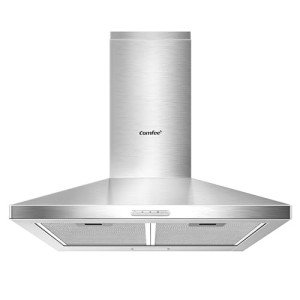
What is a Kitchen Extractor Hood?
A kitchen extractor hood, also understood as a range hood or vent hood, is a gadget installed above cooking surfaces that captures air-borne grease, vapors, smoke, heat, and smells. By efficiently removing these aspects from the air, extractor hoods assist enhance indoor air quality and reduce the risk of fire hazards.
Kinds Of Kitchen Extractor Hoods
When choosing an Cooker Extractor Hood hood, house owners generally have 4 primary types to consider:
| Type | Description | Pros | Cons |
|---|---|---|---|
| Wall-Mounted | Installed on the wall above the cooking surface. | Elegant style, space-saving choices, effective suction. | Needs appropriate wall area; setup may be tricky. |
| Island | Suspended from the ceiling above an Island Extractor Fans or peninsula kitchen. | Supplies a significant centerpiece, perfect for open kitchens. | Can be expensive, needs careful preparation for ductwork. |
| Under-Cabinet | Fits underneath kitchen cabinets straight above the stovetop. | Discreet, space-efficient, and easy to install. | May have less suction power than other types. |
| Downdraft | Integrated into the counter top and rises when needed. | Unobtrusive, ideal for modern designs. | Normally more expensive; less effective for larger cooking surfaces. |
Benefits of Installing a Kitchen Extractor Hood
Purchasing a kitchen extractor hood includes a myriad of advantages:
- Air Quality Improvement: Eliminating smoke, grease, and smells keeps a tidy and healthy environment.
- Convenience: Reduces humidity and heat in the kitchen, making cooking a more enjoyable experience.
- Fire Safety: Proper ventilation helps minimize the risk of fire brought on by grease accumulation.
- Home appliance Longevity: Reduces the accumulation of dirt and grease on kitchen home appliances and surface areas, lengthening their life.
- Enhancing Kitchen Aesthetics: Many modern hoods can be found in stylish styles that can function as ornamental aspects in the kitchen.
Choosing the Right Extractor Hood
When selecting the proper extractor hood, consider the list below elements:
1. Size
The width of the hood must at least match the width of your cooking surface area. For maximum performance, consider a hood that extends 3 inches broader on either side if space permits.
2. Suction Power (CFM)
CFM, or cubic feet per minute, indicates the air flow capability of the hood. A greater CFM is more effective for gas ranges and bigger cooking surfaces.
| Cooking Surface Type | Recommended CFM |
|---|---|
| Electric Range | 200-400 CFM |
| Gas Range | 300-600 CFM |
| Heavy Cooking (stir fry, deep frying) | 600+ CFM |
3. Ducted vs. Ductless
- Ducted: Ventilate air outside; more efficient at removing heat and smells.
- Ductless: Circulates air back into the Kitchen Hood with filters; simpler to set up, however less effective.
4. Noise Level
Examine the noise level rankings, generally measured in sones. A quieter unit can improve your cooking experience.
5. Style and Finish
Choose a design that complements your kitchen design. Choices consist of stainless-steel, glass, and customized cabinetry styles.
Installation Tips for Kitchen Extractor Hoods
When setting up kitchen extractor hoods, it’s crucial to think about a number of bottom lines to make sure optimal performance and safety.
- Height: For a lot of range hoods, the setup height must be in between 24 and 36 inches above cooking surfaces.
- Electrical Work: Ensure that all electrical connections are up to code. Think about hiring a certified electrical contractor if not sure.
- Ductwork: If you choose ducted hoods, quality ductwork is vital for optimal effectiveness. Prevent sharp bends that can hinder airflow.
- Expert Help: If you’re unskilled with DIY projects, think about working with specialists for setup to prevent damaging your kitchen or new hood.
Upkeep of Kitchen Extractor Hoods
Routine upkeep is essential for keeping an extractor hood operating efficiently. Here are some ideas:
- Clean Filters: Depending on usage, wash grease filters every 1-3 months. A dishwashing machine might be used for metal filters; paper filters ought to be replaced.
- Clean Down Surfaces: Clean the exterior of the hood routinely with warm soapy water to preserve its appearance and performance.
- Examine Ductwork for Blockages: Periodically examine ductwork for any blockages or indications of grease buildup.
Often Asked Questions (FAQs)
1. How typically should I use my extractor hood when cooking?
It’s recommended to switch on the extractor hood when you begin cooking, so it can catch smoke and smells from the very start. Keep it on for numerous minutes after cooking to clear out residual smells.
2. Can I install an extractor hood myself?
While some individuals are capable of DIY installations, it’s often best to hire a professional. Appropriate setup is vital for performance and safety.
3. What occurs if I don’t have an extractor hood?
Cooking without appropriate ventilation can result in poor air quality, increased humidity, and a greater risk of fire risks due to grease accumulation.
4. How long should I leave my hood on after cooking?
Keeping the hood on for 5-10 minutes after cooking is usually adequate to ventilate the kitchen successfully.
5. Exist energy-efficient choices available?
Yes, lots of modern extractor hoods include energy-efficient motors and LED lighting, considerably lowering energy consumption while keeping performance.
Choosing, installing, and keeping a kitchen extractor Cooker Hood Extractor Fan is essential for a safe and pleasant cooking experience. With different options to match various kitchen designs and designs, there’s a perfect extractor hood for every home. Keep in mind to think about key factors such as size, suction power, and maintenance requirements before making your purchase. A well-chosen and maintained extractor hood will not only improve your cooking environment but likewise improve the overall aesthetic of your kitchen.


