
hob-extractor5529
hob-extractor5529
The Most Significant Issue With Chimney Hood, And How You Can Solve It
The Essential Guide to Kitchen Chimney Hoods: Everything You Need to Know
In every modern kitchen, the importance of quality ventilation can not be overstated. A kitchen chimney hood, frequently referred to as a range hood or exhaust hood, plays a critical role in preserving air quality and aesthetic appeals while cooking. As cooking can produce smoke, smells, and moisture, having a reputable chimney hood is vital for any culinary area. This article will explore numerous aspects of kitchen chimney hoods, consisting of types, advantages, installation factors to consider, and often asked concerns.
What is a Kitchen Chimney Hood?
A kitchen chimney hood is a device mounted above the cooking range or stove. It gets rid of smoke, steam, grease, and smells from the kitchen air through a filtration system and, depending on the type, either exhausts it outside or recirculates it back into the kitchen after purification.
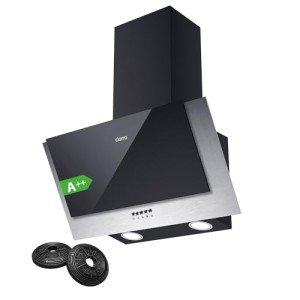
Table 1: Main Components of Kitchen Chimney Hoods
| Component | Description |
|---|---|
| Hood Shell | The outer structure that confines the internal elements |
| Filter | Captures grease and particles; can be reusable or disposable |
| Cooker Fan | Moves air through the hood and filters |
| Ducting | Channels air outside or inside, depending upon the type |
| Control board | Operates the Extractor Fan Hood speed and light settings |
Types of Kitchen Chimney Hoods
When selecting a kitchen chimney hood, it is important to understand the various types available, as they can impact performance and style.
1. Wall-Mounted Hoods
These hoods are repaired to the wall above the stove and are a typical option for standard kitchens.
2. Under-Cabinet Hoods
These units are installed below kitchen cabinets, perfect for kitchens where space is limited.
3. Island Hoods
Designed for kitchens with a main island, these hoods hang from the ceiling above the cooking surface.
4. Downdraft Hoods
These discreet hoods increase just when in use and are ideal for kitchens looking for a modern aesthetic without bulkiness.
5. Professional Hoods
Constructed for serious home cooks, professional hoods provide high power and toughness, catering to intensive cooking needs.
Table 2: Comparison of Kitchen Chimney Hoods
| Type | Setup Location | Visual Appeal | Power Level | Best For |
|---|---|---|---|---|
| Wall-Mounted | Wall above the stove | Traditional | Moderate to High | Basic kitchens |
| Under-Cabinet | Below cabinets | Minimalist | Moderate | Small kitchens |
| Island | Ceiling above island | Open idea | High | Big kitchens with Island Cooker Hoods setup |
| Downdraft | Installed within counter | Streamlined | Variable | Modern, space-saving designs |
| Expert | Wall or ceiling installed | Industrial | Extremely High | Heavy cooks and expert chefs |
Advantages of Installing a Kitchen Chimney Hood
Investing in a kitchen chimney hood provides a number of compelling advantages:
1. Improved Air Quality
A chimney hood effectively gets rid of smoke, odors, and toxins, causing fresher air and a healthier cooking environment.
2. Lowered Grease Accumulation
By filtering out air-borne grease, these hoods assist keep Kitchen Cooker Hood surfaces cleaner, reducing the frequency of deep cleaning.
3. Boosted Cooking Experience
With better air flow and decreased humidity levels, cooking becomes more comfortable and enjoyable.
4. Visual Enhancement
Chimney hoods are available in numerous styles and finishes, adding both style and functionality to the kitchen area.
5. Increased Home Value
A well-ventilated kitchen equipped with a quality chimney hood can be an attractive selling point, potentially increasing home worth.
Installation Considerations
When planning to set up a kitchen chimney hood, several factors need to be considered:
1. Size and Capacity
Select a hood that matches the size of the cooking range. The hood ought to preferably be 3 to 6 inches larger than the cooktop on each side.
2. Ventilation Type
Choose in between ducted and ductless systems. Ducted hoods expel air exterior, while ductless models filter and recirculate the air.
3. Installation Height
The height at which the hood is set up is essential. Generally, it needs to be installed 24 to 30 inches above the cooktop for optimum performance.
4. Noise Level
Look for the sound level ranking (determined in sones or decibels) to guarantee that the hood operates quietly, particularly throughout extended cooking sessions.
5. Upkeep Needs
Figure out how simple it is to clean the filters and the exterior, as routine upkeep is vital for long-lasting efficiency.
Frequently Asked Questions (FAQ)
1. How frequently should I clean the filter?
It is advised to clean up the filters every 1 to 3 months, depending on use. Grease-laden filters can decrease performance.
2. Can I set up a chimney hood myself?
While DIY setup is possible for helpful people, professional setup is suggested to make sure proper function and safety.
3. Do I require a chimney hood if I have a gas stove?
Yes, a chimney hood is important for gas ranges to effectively remove combustion gases and enhance air quality.
4. What is the perfect CFM (Cubic Feet per Minute) ranking for my hood?
A basic guideline is to select a hood with CFM ratings of 100 for every single linear foot of cooktop. For instance, a 30-inch cooktop needs a minimum of 300 CFM.
5. Are chimney hoods energy-efficient?
Numerous modern designs are designed with energy performance in mind; try to find hoods with LED lights and variable speed motors to make the most of energy savings.
A kitchen chimney hood is a vital investment for any cooking enthusiast or property owner. Not just does it improve air quality and reduce grease build-up, however it likewise includes style to the kitchen. With various types readily available, comprehending their performances and benefits can help one make an informed option. Eventually, selecting the ideal chimney hood can change your cooking experience into a delightful one, creating an inviting atmosphere for both chefs and visitors.


