
gefrierschrank-energieeffizienzklasse-c7354
gefrierschrank-energieeffizienzklasse-c7354
10 Quick Tips About Freezer Energy Efficiency Class C
Understanding Freezer Energy Efficiency Class C: What You Need to Know
In today’s environmentally conscious world, energy efficiency has actually gained substantial significance among consumers and manufacturers alike. When it comes to household appliances, a freezer’s energy efficiency ranking can significantly affect energy usage and utility costs. This article will check out Freezer Energy Efficiency Class C– what it means, how it compares to other classes, and tips on how to enhance energy efficiency in freezers.
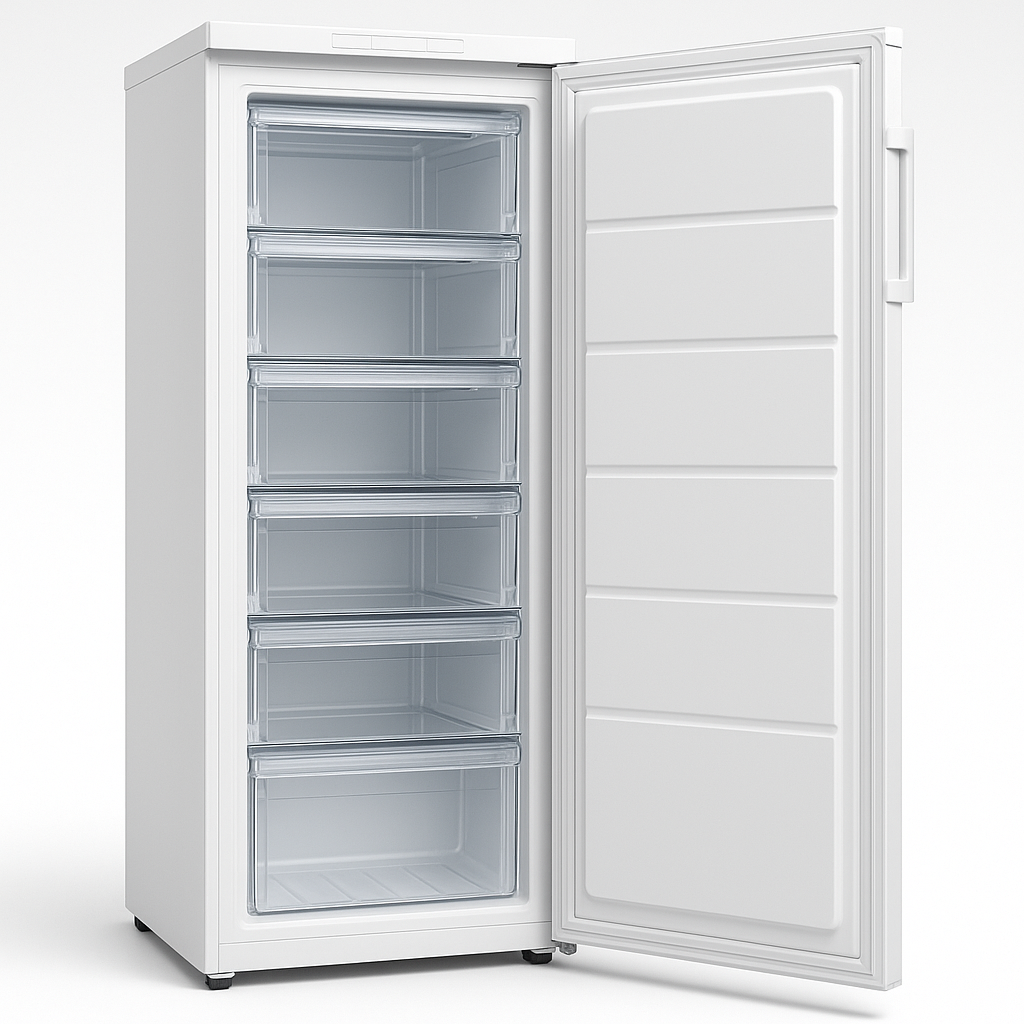
What Does Energy Efficiency Class C Mean?
Energy efficiency classes are standardized rankings that indicate how much energy a device takes in relative to its output or performance. These classes vary from A to G, with A being the most effective and G the least.
Freezers with an Energy Efficiency Class C score are considered average in terms of energy intake. They aren’t the most efficient alternatives readily available, but they frequently cost less than higher-rated designs.
Energy Efficiency Classes
| Energy Class | Description |
|---|---|
| A+++ | Extremely efficient |
| A++ | Very efficient |
| A+ | Efficient |
| A | Moderate efficiency |
| B | Second-rate |
| C | Average |
| D | Second-rate |
| E | Poor |
| F | Very bad |
| G | Very bad |
Secret Characteristics of Class C Freezers
-
Energy Consumption: Class C freezers generally take in more electrical energy compared to their more efficient equivalents. This implies that while they might be cheaper to purchase, it might cost more to run them with time.
-
Initial Cost: Freezers with a Class C rating typically have lower in advance costs, making them attractive for budget-conscious consumers.
-
Size and Capacity: Class C models can be available in different sizes, from compact systems to bigger chest freezers. This variability enables consumers to select a model that fits their needs without jeopardizing on cost.
-
Cooling Technology: Many Class C freezers utilize traditional cooling techniques rather than innovative innovations found in higher-rated models. As an outcome, their cooling performance might not be as constant.
Pros and Cons of Class C Freezers
Pros:
-
Affordability: Generally, Side By Side KüHlschrank Schwarz Mit Wasserspender Und EiswüRfelbereiter Class C freezers have lower preliminary costs compared to higher-rated designs, making them available for customers on a budget plan.
-
Adequate for Average Use: For families that don’t often utilize a freezer or shop large quantities of food, a Class C freezer might provide enough performance.
-
Simpler Features: Many Class C designs concentrate on basic performances, do not have complex features, and are frequently simpler to utilize.
Cons:
-
Higher Energy Costs: The ongoing energy usage can cause higher energy costs, negating the cost savings from the lower purchase price.
-
Ecological Impact: Less energy-efficient appliances contribute to higher carbon footprints, which can be a concern for environmentally mindful customers.
-
Restricted Longevity: Class C systems may not last as long as more effective designs, resulting in more regular replacements and increased waste.
Tips for Improving the Energy Efficiency of Class C Freezers
-
Appropriate Location: Place the freezer in a cool, well-ventilated location far from direct sunshine and heat sources like ovens and dishwashers.
-
Temperature Settings: Set the freezer temperature level to optimal levels (normally around -18 ° C or 0 ° F )to ensure effective operation
-
. Keep It Full: A full freezer runs more efficiently than an empty one. If you don’t have adequate food to fill it, Kühlschrank Edelstahl Look consider using ice bag or containers of water to occupy space.
-
Routine Maintenance: Clean the coils and gasket seals frequently to make sure the freezer operates efficiently and does not need to work harder than needed.
-
Decrease Opening the Door: Each time the freezer door is opened, cold air escapes. Reduce door openings, and try to secure products rapidly.
FAQs About Freezer Energy Efficiency Class C
1. How does a Class C freezer compare to Classes A and B?
Class C freezers are less energy-efficient than Classes A and B. They take in more electrical energy and generally cost more to operate over time.
2. Is it worth acquiring a Class C freezer?
If you’re on a budget plan and don’t require high energy efficiency for erratic usage, a Class C freezer might be an ideal choice. Nevertheless, think about long-lasting energy costs before acquiring.
3. Can I upgrade a Class C freezer for much better efficiency?
Yes, improving energy efficiency can be possible through proper maintenance, mindful use, and Side By Side Kühlschrank Mit Wasserspender following advised operational practices.
4. What is the typical life expectancy of a Class C freezer?
The life expectancy of a Class C freezer is normally between 10 to 15 years, Einbau Gefrierschrank Kaufen depending upon usage, brand name, and Bester Gefrierschrank No Frost (gitea.chenxu2233.com) upkeep.
5. Will a greater energy class conserve me cash?
In many cases, investing in a higher energy class freezer (A or A+) can cause savings on energy expenses, offsetting the preliminary purchase expense with time.
Freezer Energy Efficiency Class C is a practical choice for Gefriertruhe 200L preisvergleich lots of customers. While they may do not have the energy efficiency of higher-rated designs, their cost and sufficient efficiency make them a potential option for budget-conscious homes. By understanding energy classes, customers can make educated decisions and take steps to improve the efficiency of their appliances, leading to both savings and responsible energy use. As the world moves towards greener solutions, considering energy-efficient appliances in our homes becomes more vital than ever.


