
foldable-wheelchair-ramp1366
foldable-wheelchair-ramp1366
20 Resources That Will Make You Better At Wheelchair Ramps
Portable Wheelchair Ramps for Steps: A Comprehensive Guide
Browsing the world can be a challenge for people with mobility concerns, especially when experiencing stairs. Traditional stairs can pose substantial barriers, but portable wheelchair ramps are a versatile and useful solution that can assist individuals regain their independence and flexibility. This blog site post uses an extensive take a look at portable wheelchair ramps, including their types, benefits, considerations when choosing one, and answers to often asked concerns.
Comprehending Portable Wheelchair Ramps
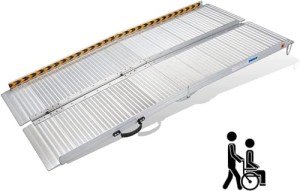
Portable wheelchair ramps are created to supply a smooth shift from one level to another, such as from ground to a deck or in between floorings in a building. They can be quickly transferred and established, making them ideal for temporary use, travel, or in circumstances where an irreversible ramp setup is not feasible.

Types of Portable Wheelchair Ramps
Before picking a portable wheelchair ramp, it’s vital to comprehend the various types readily available on the market. The option of ramp often depends on specific needs, the environment, and the individual’s mobility gadget. Below is a table outlining the most typical types of portable wheelchair ramps.
| Ramp Type | Description | Suitable Use Cases |
|---|---|---|
| Folding Ramps | Lightweight and foldable for simple transportation. | Home usage, travel, occasions |
| Telescoping Ramps | Adjustable length permitting customization of the slope. | Differed heights, such as steps, curbs |
| Strong Ramps | Made from resilient materials and provides a steady entry. | Long-term or semi-permanent installations |
| Suitcase Ramps | Fold in half and look like a travel suitcase when closed. | Travel, outside events |
| Threshold Ramps | Little ramps designed to bridge the gap in between various surfaces. | Doorways, transitions from surface areas |
Advantages of Portable Wheelchair Ramps
The schedule of portable wheelchair ramps has changed how individuals with restricted mobility navigate environments. Below is a list of the numerous benefits associated with utilizing these ramps:
-
Accessibility: Ramps provide access to places with steps where wheelchair users would otherwise be not able to go.
-
Self-reliance: With a portable ramp, users can get in and leave structures and vehicles without external support.
-
Flexibility: Ideal for different settings, including home environments, outside spaces, and public venues.
-
Relieve of Use: Many ramps are lightweight and simple to set up, making them easy to use for people and caretakers alike.
-
Cost-effectiveness: Portable ramps typically come at a fraction of the cost of long-term setups and can be reused in different places.
-
Security: Ramps reduce the threat of falls and accidents associated with navigating up and down steps.
Factors to consider When Selecting a Portable Wheelchair Ramp
Picking the best portable Wheelchair Ramps For Steps (Www.Odessalisboa.Top) ramp requires careful consideration of numerous factors. Here are some crucial points to bear in mind:
-
Weight Capacity: Ensure that the ramp can support the weight of the wheelchair and its resident. Many ramps define a maximum weight limitation.
-
Length and slope: A longer ramp provides a gentler slope, which is simpler to browse. Ideally, the ramp length ought to be 1:12 for ADA compliance, meaning one inch of increase per foot of ramp.
-
Product: Ramps can be made from aluminum, fiberglass, or wood. Aluminum ramps are the most commonly utilized due to their light weight and resilience.
-
Portability: Look for ramps that can be quickly folded or collapsed for transportation.
-
Surface area Texture: Ensures traction and avoids slipping, specifically in damp conditions. Gripped or textured surface areas are more suitable.
-
Relieve of Setup: Consider ramps that do not need tools or complicated assembly procedures.
Often Asked Questions (FAQ)
1. How do I figure out the right ramp length?
As a general rule, a ramp ought to have a slope ratio of 1:12. This means for every inch of height, you will require a minimum of 12 inches (or 1 foot) of ramp length.
2. Are portable wheelchair ramps ADA-compliant?
It depends upon the specific ramp design and measurements. Always check if the ramp satisfies the Americans with Disabilities Act (ADA) specifications, particularly for public use.
3. Can I utilize a portable ramp outdoors?
Yes, numerous portable ramps are developed for outside use and are made from weather-resistant materials. Constantly check the specifications to verify.
4. How do I preserve a portable wheelchair ramp?
Keep the ramp clean and look for damage frequently. Evaluate the surface area for wear and guarantee that it stays steady throughout use.
5. Can wheelchair ramps be used for other mobility devices?
Yes, portable ramps can accommodate various mobility devices, consisting of scooters, walkers, and power chairs.
6. Where can I purchase portable wheelchair ramps?
Portable wheelchair ramps can be bought from medical supply stores, online merchants, and specialized mobility devices vendors.
Portable wheelchair ramps bridge the space in between mobility difficulties and ease of access, allowing people with specials needs to lead independent and satisfying lives. With a variety of choices and a host of benefits, finding the best ramp needs thoughtful factor to consider of the user’s distinct needs. By comprehending the benefits, features, and elements to consider, people and caregivers can make educated choices to boost mobility and availability. Whether for use in the house, on the road, or in public areas, portable wheelchair ramps are important tools that open the world to those who need them.


