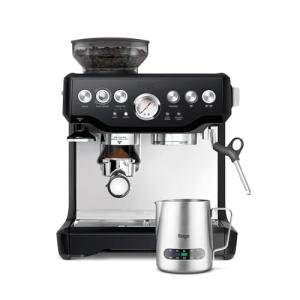
espresso-machine-with-customizable-settings8950
espresso-machine-with-customizable-settings8950
The Three Greatest Moments In Vintage Espresso Machine History
The Charm of Vintage Espresso Machines: A Journey Through Time
Worldwide of coffee lovers, few items stimulate nostalgia and affection like vintage espresso machines. These magnificently crafted devices not just brew remarkable coffee however also act as art pieces that inform stories of bygone eras. This blog site post explores the appeal of vintage Espresso Coffee Machine UK machines, their history, key features to consider when acquiring one, and insightful pointers for keeping these classic treasures.
A Historical Overview
The history of espresso machines is rich and varied, showing more comprehensive shifts in coffee culture and innovation. Below is a timeline highlighting the evolution of Espresso Machine With Steam Wand machines through the years:
| Year | Development |
|---|---|
| 1901 | The very first Espresso Bean Grinder machine, the “Il Martelli,” is developed by Luigi Bezzera in Italy. |
| 1905 | Desiderio Pavoni patents an improved version, leading the way for Commercial Espresso Machine espresso machines. |
| 1947 | The Faema E61 is introduced, featuring an advanced design that uses an integrated pump and boiler. |
| 1950s | The emergence of home espresso machines starts, popularized by brand names like Gaggia and La Pavoni. |
| 1970s | The specialized coffee motion starts, further boosting the espresso machine’s appeal. |
| 1990s | Technological improvements cause the advancement of super-automatic machines, though vintage models continue to be extremely sought after. |
These milestones mark considerable improvements and changes in the espresso machine’s style, functionality, and function in coffee culture.
Why Collect Vintage Espresso Machines?
Vintage espresso machines are more than simply practical devices; they are symbols of craftsmanship, fond memories, and the enduring love for coffee. Here are several reasons why collectors and baristas alike are drawn to these machines:
1. Craftsmanship
Lots of vintage designs were handcrafted with a level of precision and quality that is hard to find in modern mass-produced machines. Their durable build and distinct styles make them standout pieces.
2. Visual Appeal
From the elegant curves of chrome accents to the heat of wooden handles, vintage espresso machines frequently show sensational aesthetics that can raise any kitchen area or coffee shop design.
3. Distinct Brewing Experience
Older machines often provide a different taste profile than modern machines due to different developing approaches, which can interest home baristas looking for a distinct taste.
4. Historical Significance
Owning a vintage Espresso Bean Grinder machine links the contemporary coffee fan to a rich heritage of coffee culture, offering a tangible connection to the history of coffee-making.
Secret Features to Consider
When diving into the world of vintage espresso machines, it’s important to keep several features in mind to guarantee you’re making an informed purchase. Here are some crucial elements to think about:
1. Build Quality
Look for machines with a robust stainless-steel or brass body. Make sure that elements, such as the portafilter and steam wand, are undamaged and practical.
2. Boiler System
Think about whether the machine has a single or double boiler system. Double boilers permit for simultaneous developing and steaming, supplying greater effectiveness.
3. Pump Type
Vintage machines may have either a lever or an electric pump. Lever machines require manual operation and can be a gratifying obstacle for skilled baristas.
4. Components Availability
Inspect if extra parts are easily offered. Machines from popular brand names might have better support in regards to repair and maintenance.
5. Aesthetics
Select a machine that resonates with your individual style– whether that be smooth metallic finishes or intricate detailing.
Tips for Maintaining Vintage Espresso Machines
Appropriate care is vital to keep vintage espresso machines functional and looking their best. Here are practical maintenance pointers:
-
Regular Cleaning: Clean the portafilter, group head, and steam wand after every usage to maintain taste quality and machine efficiency.
-
Descaling: Descale the machine every 3-6 months using an ideal descaling representative to avoid mineral build-up that impacts efficiency.
-
Examine Seals and Gaskets: Regularly check gaskets and seals for wear. Changing these small parts can greatly improve the machine’s function.
-
Professional Servicing: Consider taking your machine for professional maintenance every few years to attend to any technical problems.
-
Storage: If not utilized often, keep the machine in a dry, cool place to avoid damage from humidity and temperature changes.
Frequently Asked Questions (FAQs)
Q1: How much does a vintage espresso machine cost?
A1: Vintage espresso machines can vary from ₤ 100 to a number of thousand dollars, depending on the brand name, design, rarity, and condition.
Q2: Can I utilize a vintage machine for day-to-day brewing?
A2: Yes, vintage machines can be utilized daily, but they might require more upkeep than modern machines. It’s a good idea to familiarize yourself with the particular model’s requirements.
Q3: Are vintage espresso machines worth the investment?
A3: Many coffee enthusiasts discover value in vintage machines for their aesthetic appeal, distinctive brewing qualities, and historic significance. They can also appreciate in value over time.
Q4: Where can I buy vintage espresso machines?
A4: Vintage espresso machines can be found at coffee boutique, estate sales, antique stores, and online markets such as eBay or specialized vintage coffee equipment websites.
Q5: Can I repair a vintage espresso machine myself?
A5: Some repairs can be DIY, especially for small concerns. However, more intricate repairs might require the competence of a professional service technician knowledgeable about vintage machines.
Vintage espresso machines are more than mere cooking area home appliances; they represent a rich marital relationship of art, history, and coffee culture. Understanding their origins, functions, and maintenance can improve the experience of owning among these stunning machines. Whether you are a collector, a home barista, or merely someone passionate about coffee, investing in a vintage espresso machine may just be the ideal method to delight in coffee through the lens of history.