
door-handle-technicians1416
door-handle-technicians1416
Why Door Handle Replacement Is A Lot More Dangerous Than You Thought
Comprehensive Guide to Door Handle Replacement: A Step-by-Step Approach
Door handles serve not just as practical elements of a home or office but likewise contribute significantly to the overall visual of an area. In time, door handles can use out, end up being challenging to operate, and even break, requiring their replacement. Whether you are performing routine maintenance, upgrading your home’s hardware, or repairing damage, knowing how to appropriately replace a door handle can save you time and money while enhancing your area’s appearance. This short article supplies a detailed guide on door handle replacement, covering various aspects, tips, and frequently asked concerns.
Why Replace a Door Handle?
There are a number of factors one might think about changing a door handle:
- Wear and Tear: Frequent use can lead to degeneration of the handle’s material, leading to rough surface areas or non-functional mechanisms.
- Upgrade: Aesthetic upgrades can update an area, aligning it with present style trends or individual preferences.
- Security: Damaged handles can jeopardize the security of a door, making it much easier for unapproved people to go into.
- Functionality Issues: If the handle is not running efficiently, it may need replacement to bring back ease of use.
Types of Door Handles
Before starting with the replacement process, it’s important to know the various types of door handles available:
- Lever Handles: These are easy to run and often preferred for homes with children and elderly people.
- Knob Handles: Traditional and versatile, knob handles been available in various designs and finishes.
- Pull Handles: Commonly utilized for bigger doors, these handles concentrate on a pulling action rather than turning.
- Mortise Handles: These are more complicated, needing a mortise, or pocket, cut into the door, offering high resilience and security.
- Electronic Handles: Incorporating modern innovation, electronic handles provide keyless entry alternatives through codes, biometrics, or mobile phones.
Tools Required for Door Handle Replacement
Having the right tools on hand improves the procedure, making it more effective and less aggravating. For a common fix loose door handle handle replacement, you will need:
- Screwdriver (flathead and Phillips)
- Allen wrench (if relevant)
- New door handle home service handle set
- Tape step
- Pencil
- Shatterproof glass (optional)
Step-by-Step Guide for Door Handle Replacement
Now that the foundation is laid out, here’s a structured method for replacing a door handle:
Step 1: Remove the Existing Handle
-
Unscrew the Current Handle: Use a screwdriver to remove the screws holding the door handle restoration handle in location. Depending on the kind of handle, you may require to get rid of screws from both sides of the door.
-
Detach the Backplate and Latch: After removing the screws, gently manage the handle and the backplate (if applicable). If a lock is connected, unscrew and separate it from the edge of the door.
Action 2: Prepare the Door
-
Examine the Door: Check for any damages like scratches or damages that might require a repair or repainting.
-
Clean the Area: Use a fabric to clean down the location where the new handle will be set up. This guarantees a tidy installation.
Step 3: Install the New Handle
-
Position the New Latch: Insert the brand-new lock mechanism into the edge of the door handle home service, guaranteeing that it’s flush with the door surface. Secure it with screws.

-
Attach the Backplate: If your brand-new handle has a backplate, secure it in location now.
-
Insert the New Handles: Take the brand-new handle set and insert it through the holes, aligning them with the lock you simply installed. Make sure that the handle turns clockwise or counterclockwise as required.
-
Secure the Handles: Tighten with the screws to guarantee stability. Avoid over-tightening, as this can harm the door or the handle.
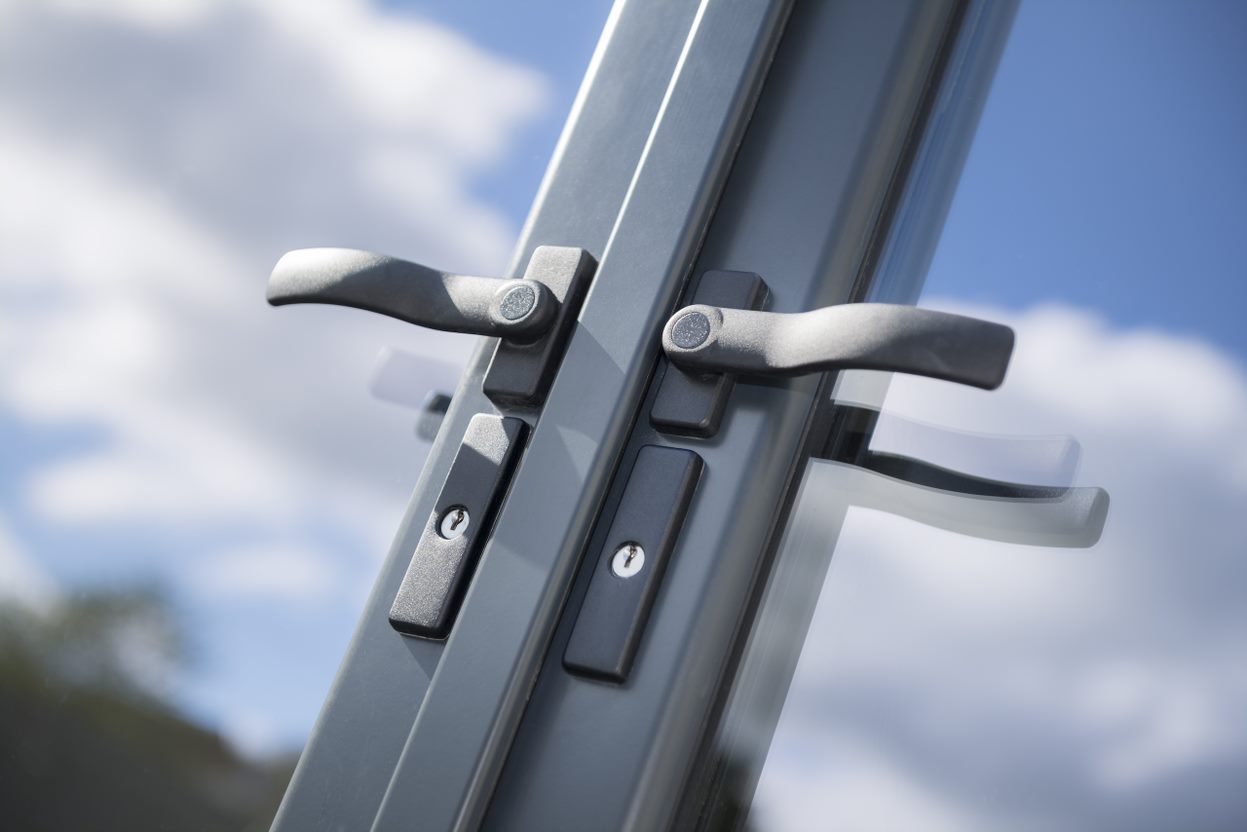
Step 4: Test the New Handle
When the brand-new handle is protected, take a moment to check its functionality:
- Turn the Handle: Ensure it moves smoothly and operates the latch correctly.
- Examine the Door Security: Ensure the door locks and opens efficiently if equipped with a lock.
Step 5: Final Touches
- Clean Up: Remove any debris and discarded parts from your workspace.
- Perform a Functionality Check: Go through all steps once again to guarantee whatever runs appropriately.
Tips for a Successful Replacement
- Select Quality Materials: Opt for resilient materials that can endure wear and complement your decoration.
- Consider User Needs: If kids or senior people will often use the custom door handle repair, choose lever handles over knobs.
- Follow Manufacturer Instructions: Always read and adhere to the installation instructions supplied with the new door handle.
Often Asked Questions (FAQs)
1. Just how much does it cost to replace a door handle?
Costs can differ widely depending on the kind of Door handle fixer near me handle and the complexity of the installation. Fundamental knob handles may start at around ₤ 10, while higher-end lever handles or clever locks can surpass ₤ 100.
2. Can I replace a door handle myself?
Yes, if you have standard DIY abilities and tools, replacing a door handle is an uncomplicated task that a lot of house owners can accomplish with ease.
3. What if the new handle does not fit?
It’s important to select the correct size and design based on your existing door handle setup. Double-check measurements before acquiring and consult a professional if essential.
4. How frequently should door handles be replaced?
There’s no rigorous timeline for changing door handles. Nevertheless, inspecting them every few years for wear and performance is suggested.
5. Is it possible to re-key the new handle?
Some door handle sets come with re-keying abilities. If security is an issue, think about choosing a handle that enables re-keying to change the existing essential configuration.
Replacing a door handle is an achievable DIY project that can enhance both the functionality and appearance of your doors. By following the laid out actions and using the tools and tips offered, property owners can effectively manage this job, ultimately enhancing their home. As constantly, when in doubt, seeking professional help is a good idea to ensure a protected and functional outcome.



