
door-handle-experts4611
door-handle-experts4611
10 Things Everyone Hates About Door Handle Mechanism

Understanding Door Handle Mechanism: Types, Functions, and Maintenance
door handle repairs handles are an often-overlooked part of our lives, yet they play a vital role in the functionality and security of our homes and offices. While their primary function is to provide gain access to, the underlying systems can vary considerably, affecting how they function and their longevity. This article will delve into various kinds of door handle systems, their functions, and vital maintenance tips.
Kinds Of Door Handle Mechanisms
Door handles come in several styles and systems, each matched for different purposes. Here are the most common types:
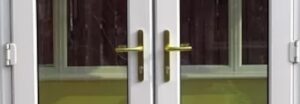
1. Lever Handle Mechanisms
Typically seen in residential and commercial settings, lever handles are popular due to their ease of usage. They feature a lever that, when lowered, operates a lock or bolt. Lever handles can be spring-loaded or based on a more complicated mechanism:
- Spring-Loaded Lever Handles: Utilize a spring to return the lever to its original position.
- Locked Lever Handles: Feature an integrated locking mechanism, offering increased security.
2. Knob Handle Mechanisms
Knob handles are a classic choice, characterized by a round handle that should be turned to operate the lock. While they can be visually pleasing, they in some cases present accessibility issues, specifically for young kids or individuals with disabilities. There are two main types:
- Single-Cylinder Knob Handles: Operated by turning the knob and generally need a key for locking.
- Double-Cylinder Knob Handles: Use a key on both sides, making them more safe and secure however less practical in emergency situations.
3. Push-Pull Mechanisms
Common in commercial buildings, push-pull handles provide a simple ways of accessing an area without the requirement for twisting or turning. These handles frequently include a basic rod mechanism that engages a lock when pushed or pulled.
4. Electronic and Smart Door Handles
With the rise of innovation, electronic door handles have gained popularity, including keypads, biometric scanners, or wise connection. These ingenious systems provide increased security and benefit, enabling users to unlock doors utilizing codes, finger prints, or mobile apps.
5. Mortise Locks
Mortise locks incorporate the door handle mechanism within a pocket cut into the edge of the door. This style permits a more robust locking system and is frequently utilized in high-end residential and commercial applications. Mortise locks generally offer deadbolts for added security.
6. Rim Locks
Rim locks are mounted on the surface of the door, making installation easier than mortise locks. They often accompany knob or lever handles and offer basic security functions ideal for internal doors or secondary entryways.
How Door Handle Mechanisms Work
Understanding how door handle systems function requires some knowledge of their internal parts. Many systems run on the concept of a lock or bolt that secures or unlocks. Here’s a simplified breakdown:
- Latch Bolt: The primary component that engages with the local door handle repair frame to keep the door closed. When the handle is turned or pushed, the latch bolt retracts, allowing the door to open.
- Strike Plate: This is a metal plate affixed to the door frame, which the lock bolt secures into when the door is closed.
- Escutcheon Plate: The ornamental plate that typically surrounds the door handle, concealing the screws and offering the door a completed appearance.
- Cylinder: In locking mechanisms, the cylinder is where a secret is inserted to turn and protect or unlock the door.
Maintenance Tips for Door Handle Mechanisms
Regular maintenance makes sure that door Handle Bar Repair; 180.163.77.12, systems operate smoothly and last longer. Here are some vital maintenance tips:
- Clean Handles and Locks: Use a microfiber cloth to wipe down door handles regularly. Dust and dirt can collect in the mechanism, causing it to jam.
- Oil Moving Parts: Every six months, use a silicone-based lubricant to the moving parts of the mechanism to make sure smooth operation. Avoid utilizing grease, which can attract dirt.
- Inspect for Tightness: Ensure screws and bolts are tight. Loose handles can cause endure internal parts and might require replacement earlier than expected.
- Check for Wear and Tear: Regularly inspect handles for signs of wear, such as scratches, dents, or rust. Replacing worn-out parts without delay can prevent more significant issues down the line.
- Test Locks: If the door handle features a locking mechanism, check that the lock operates correctly. If it jams frequently, it might require to be lubed or replaced.
Often Asked Questions (FAQs)
1. What is the most common kind of door handle mechanism?
The most common kinds of door handle mechanic handle mechanisms are lever handles and round knobs. Each has its benefits, with lever handles normally being more accessible.
2. How do I pick the right door handle for my home?
Think about factors such as functionality (interior or exterior), security needs, and aesthetic preferences when picking a door handle. Also, think about the door material and thickness for compatibility.
3. Can I set up a door handle myself, or should I employ a professional?
Many door handles can be installed with standard tools and DIY abilities. Nevertheless, if you’re uncomfortable working with door hardware or have unique specs, employing a professional is a good idea.
4. How frequently should I maintain my door handle systems?
Routine maintenance needs to occur every six months, including cleaning, lubrication, and examination for wear and tear.
5. What should I do if my door handle is sticking or jamming?
If a door handle is sticking or jamming, it may need lubrication or change. Examine for loose screws and guarantee the latch bolt is aligned correctly. If issues continue, consider consulting a professional.
Door handle systems are essential to the security and ease of access of our spaces. By comprehending the different types and how they work, house owners and companies can make educated options concerning their door hardware. Regular maintenance is important to guarantee these mechanisms work efficiently and remain reliable for many years to come. Whether going with traditional models or cutting-edge clever technology, picking the ideal door handle is a financial investment in security and convenience.


