
best-mitre-saw-uk3461
best-mitre-saw-uk3461
The Best Mitre Saw Tricks To Transform Your Life
The Sliding Mitre Saw: A Comprehensive Guide for Woodworkers
When it pertains to precision cutting and versatility in woodworking, few tools are as important as the sliding Best Mitre Saw saw. This effective piece of machinery has actually become an essential tool for both professional woodworkers and enthusiastic DIYers. In this post, we will explore whatever you require to know about sliding mitre saws, including their functions, advantages, usage, upkeep, and responses to often asked questions.
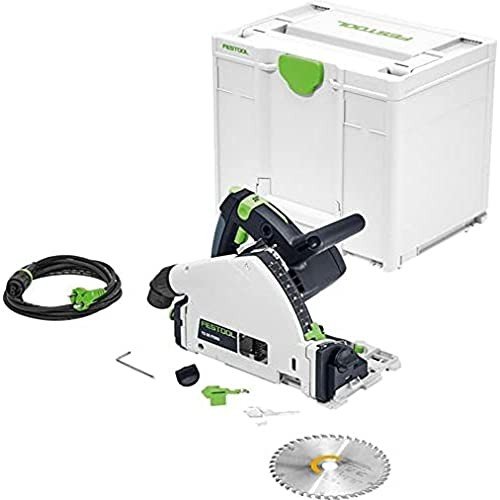
What is a Sliding Mitre Saw?
A sliding mitre saw, often referred to as a compound mitre saw, is a specialized power tool utilized for making crosscuts and mitre cuts in wood and other materials. It includes a blade installed on a pivoting arm that can move both vertically and horizontally. This unique sliding function enables larger cuts than a standard mitre saw.
Key Features of Sliding Mitre Saws
| Function | Description |
|---|---|
| Blade Size | Typically readily available with blade sizes of 10″ and 12″ |
| Sliding Mechanism | Allows for a broader cutting capability throughout wider products |
| Compound Capability | Can pivot and tilt for angled cuts, allowing flexibility |
| Bevel Functionality | Can be set for both single and double bevel cuts |
| Dust Collection | Many models include a dust port for cleaner work areas |
| Laser Guides | Some designs come geared up with laser cut guides for accuracy |
Benefits of a Sliding Mitre Saw
Sliding mitre saws use many advantages over traditional cutting tools. Here are some of their essential advantages:
- Precision Cutting: The capability to set accurate angles and depths allows woodworkers to attain tidy, accurate cuts.
- Flexible Functionality: Dual bevel functions make it possible for cuts in either instructions, conserving time and effort.
- Increased Cutting Capacity: The sliding arm broadens the crosscut capacity, making it ideal for larger boards.
- Security Features: Modern styles typically consist of precaution, such as blade guards and Electric Miter Saw brakes, enhancing general user safety.
- Enhanced Portability: Many designs are light-weight and quickly portable, making them suitable for task websites and home workshops alike.
Common Uses for Sliding Mitre Saws
Sliding mitre saws are used throughout a variety of woodworking jobs, consisting of:
- Framing and Carpentry: Perfect for cutting framing lumber and building wood structures.
- Trim Work: Ideal for cutting mouldings and trim with precision.
- Furniture Making: Can be used to produce intricate cuts for assemblies in furnishings tasks.
- Kitchen cabinetry: Useful for cutting panels and parts for kitchen area cabinets and built-ins.
- Craft Projects: Excellent for hobbyists and crafters who require accurate cuts for tasks.
Selecting the Right Sliding Mitre Saw
When picking a sliding mitre saw, several aspects come into play. Here’s a list of key factors to consider:
- Blade Size: Choose a larger blade (12″) for higher capacity however be mindful of the associated weight and size.
- Motor Power: Opt for a motor with enough power (a minimum of 15 amps) for the materials you prepare to cut.
- Bevel Capability: Decide if dual bevel performance is required for your jobs.
- Trustworthy Brand: Research reliable brand names that supply efficiency, sturdiness, and service.
- Rate Range: Set a budget based on the functions you want; both budget-friendly and high-end options are available.
Popular Brands and Models
| Brand name | Design | Blade Size | Cost Range |
|---|---|---|---|
| DeWalt | DWS779 | 12″ | ₤ 600 – ₤ 800 |
| Makita | LS1219L | 12″ | ₤ 600 – ₤ 700 |
| Bosch | GCM12SD | 12″ | ₤ 600 – ₤ 800 |
| Ryobi | TSS120L | 12″ | ₤ 300 – ₤ 500 |
| Hitachi | C12RSH2 | 12″ | ₤ 500 – ₤ 700 |
Maintenance of Sliding Mitre Saws
To guarantee the longevity and effectiveness of a sliding mitre saw, correct upkeep is vital. Follow these essential ideas for care:
- Regular Cleaning: Remove dust and particles from the saw and blade after each use to prevent accumulation.
- Blade Maintenance: Inspect the blade routinely; hone or replace it when dull to preserve cut quality.
- Lubrication: Lubricate moving parts, consisting of the sliding system, to make sure smooth operation.
- Examine Alignment: Periodically examine the positioning of the saw and adjustments to make sure precision.
- Examine Cables: Regularly inspect the power cable and connections for wear or damage.
Often Asked Questions (FAQs)
Q1: What is the difference between a mitre saw and a sliding mitre saw?
A: A standard mitre saw has a fixed position for the blade swing, typically restricted in cutting capability, while a sliding mitre saw has an arm that permits the blade to move on and backwards for larger cuts.
Q2: Can a sliding mitre saw cut through metal?
A: While sliding mitre saws are primarily created for wood, some designs can cut non-ferrous metals like aluminum when equipped with the proper blade. It is important to inspect the manufacturer’s requirements.
Q3: How thick of a board can a sliding mitre saw cut?
A: The cutting capability varies depending on the particular design and blade size, but many 12″ sliding mitre saws can cut through boards up to 7.5 inches thick when cutting at 90 degrees.
Q4: Is it safe to use a sliding mitre saw?
A: Yes, when utilized properly following the producer’s guidelines and with suitable precaution, such as using eye security and ensuring a safe workspace, sliding Table Mitre Saw saws are safe tools.
Q5: What are the typical errors to avoid when utilizing a sliding mitre saw?
A: Common errors consist of not protecting the workpiece properly, using a dull blade, misaligning the blade, and disregarding to use the blade guard.
The sliding mitre saw is an invaluable tool in the toolkit of any woodworker. Its mix of precision, versatility, and ease of use makes it an ideal choice for numerous tasks. Whether you’re cutting trim for a home restoration or building furniture, comprehending how to pick, utilize, and keep a sliding Table Mitre Saw saw will improve your woodworking experience. By following this guide, you’ll be fully equipped to make informed decisions and create gorgeous, precise pieces of craftsmanship.