
automatic-vacuum-cleaner-uk1444
automatic-vacuum-cleaner-uk1444
What Is Robot Vacuum And How To Utilize It
The Ultimate Guide to Choosing the very best Robot Vacuum Cleaner for Your Home
In today’s busy world, the allure of a tidy home without the trouble of conventional chores is more powerful than ever. Go into the robot vacuum cleaner– a marvel of modern-day innovation designed to liberate you from the tedious job of vacuuming. These self-propelled cleaning companions have actually evolved from unique gadgets to indispensable home appliances, providing benefit, performance, and time-saving benefits that resonate with busy people and families alike.
But with a myriad of models flooding the marketplace, each boasting a special array of features and capabilities, navigating the selection procedure can feel overwhelming. Picking the “best” robot vacuum isn’t about picking the most costly or feature-packed option; it’s about finding the perfect match for your specific needs, home environment, and way of life.
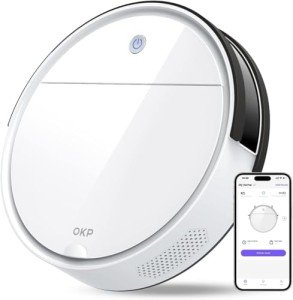
This thorough guide will explore the world of robot vacuum, equipping you with the knowledge to make an informed decision. We’ll check out the key factors to think about, the different technologies at play, and offer insights to assist you pick a robotic cleaning buddy that really improves your home and simplifies your life.
Understanding the Magic Behind Robot Vacuum Cleaners
Robot vacuum are basically autonomous mobile phones equipped with sensing units, brushes, and suction capabilities created to tidy floors without human intervention. They browse your home, sucking up dust, dirt, pet hair, and particles, all while you concentrate on more pleasurable activities.
The core functionality focuses on a number of crucial components:
- Navigation System: This is the brain of the robot, accountable for mapping and traversing your home effectively. Navigational technologies vary from basic bump-and-go systems to sophisticated LiDAR (Light Detection and Ranging) and visual SLAM (Simultaneous Localization and Mapping).
- Cleaning System: This generally consists of brushes (primary brushroll and side brushes) to loosen particles and a suction motor to lift dirt into a dustbin. Some models likewise include mopping performances.
- Sensing units: These are vital for navigation and barrier avoidance. Sensing units can consist of cliff sensing units to prevent falls down stairs, bump sensors to identify challenges, wall sensing units for edge cleaning, and dirt detection sensing units to concentrate on heavily soiled areas.
- Power System: Robot vacuums are battery-powered and rechargeable. Battery life and charging time are vital factors to think about based on your home size.
- Smart Features: Many modern robot vacuums use smart features like app control, scheduling, voice assistant integration, virtual limits, and multi-floor mapping, improving user control and modification.
Secret Factors to Consider When Choosing Your Robot Vacuum Cleaner
Finding the ‘best’ robot vacuum genuinely boils down to aligning the device’s capabilities with your home’s unique attributes and your cleaning requirements. Here’s a breakdown of the important factors you must assess:
1. Navigation and Mapping Prowess:
The navigation system dictates how efficiently and effectively your robot vacuum cleans. There are several primary types:
- Random/Bump-and-Go Navigation: These easier robots move arbitrarily until they run into a challenge, then change instructions. They lack methodical cleaning and might miss spots or repeatedly tidy the very same locations. Typically found in lower-priced models.
- Systematic/Patterned Navigation: These robotics clean in methodical patterns, often in rows or grids, guaranteeing more complete protection. They regularly make use of:
- Gyroscope-based Navigation: Uses internal sensors to preserve direction and tidy in straight lines, however can sometimes lose orientation.
- Visual SLAM (Simultaneous Localization and Mapping): Employs video cameras to aesthetically map the environment and navigate systematically.
- LiDAR (Light Detection and Ranging): Projects laser beams to create a highly precise map of the home. LiDAR-based navigation is typically thought about the most precise and efficient, allowing robots to navigate complex designs, prevent challenges wisely, and tidy in a structured manner.
Think about: For bigger homes or those with complex designs and many barriers, a robot vacuum with sophisticated LiDAR or Visual SLAM navigation is extremely recommended. For smaller sized, simpler areas, a gyroscope-based system might be sufficient.
2. Suction Power and Cleaning Performance:
Suction power identifies how efficiently the robot lifts dirt and particles from different floor types.
- Air Watts (AW) or Pascals (Pa) are common metrics for suction power. Greater numbers typically indicate stronger suction.
- Consider your floor types: Hardwood floors require less suction than carpets and rugs. Houses with thick carpets and pet hair will take advantage of robotics with greater suction power.
- Brushroll Design: Look for robots with brushrolls created for multi-surface cleaning or specific requirements like pet hair elimination. Some have rubberized brushrolls excellent for pet hair, while others have bristle brushes for deep carpet cleaning.
Think about: If you have mainly difficult floors, moderate suction might be enough. For homes with carpets and family pets, focus on designs with high suction and specialized brushrolls.
3. Battery Life and Coverage Area:
Battery life dictates the length of time the robot can clean up on a single charge and, consequently, the square video it can cover.
- Battery capacity is usually measured in milliampere-hours (mAh). Greater mAh typically translates to longer runtime.
- Consider the size of your home: Larger homes necessitate longer battery life or a robot with a recharge-and-resume function, where it goes back to the charging dock mid-cycle and resumes cleaning afterward.
- Cleaning Modes: Some robots offer various cleaning modes (e.g., eco, requirement, max), affecting battery life. Using a lower power mode can extend runtime for lighter cleaning tasks.
Think about: For apartment or condos and smaller homes, a robot with 60-90 minutes of runtime might be adequate. Bigger homes may require 90-120+ minutes or a recharge-and-resume function.
4. Functions and Smart Capabilities:
Modern robot vacuums are loaded with functions to improve convenience and customization:
- App Control: Allows you to start/stop cleaning, schedule cleanings, display development, change settings, and frequently view cleaning maps from your smartphone.
- Scheduling: Set up automatic cleaning schedules so your robot cleans up while you are away or asleep.
- Voice Assistant Integration (e.g., Alexa, Google Assistant): Control your robot with voice commands for hands-free operation.
- Virtual Boundaries/No-Go Zones: Define areas you desire the robot to avoid, such as pet bowls, fragile furniture, or play locations. Can be physical strips or digitally drawn in the app.
- Multi-Floor Mapping: Allows the robot to save maps of several floorings in your home, ideal for multi-story houses.
- Selective Room Cleaning: Choose particular rooms or areas to clean, offering targeted cleaning.
- Mopping Functionality: Some robotics combine vacuuming and mopping. Mopping can be damp mopping (utilizing water) or damp mopping (using a slightly damp pad). Evaluate the mopping abilities if this is a wanted feature.
- Self-Emptying Dustbins: Premium models include self cleaning robot vacuum-emptying dustbins, automatically emptying gathered particles into a bigger bin in the charging dock, reducing manual upkeep frequency.
Think about: Prioritize functions that line up with your lifestyle and needs. App control and scheduling are extremely advantageous for many users. Self-emptying dustbins provide substantial convenience, especially for homes with family pets or regular cleaning requirements.
5. Dustbin Capacity and Maintenance:
The dustbin capacity determines how often you require to clear the gathered particles.
- Larger dustbins require less regular emptying. Consider dustbin size based on your home size and the amount of dirt and particles normally gathered.
- Ease of Dustbin Emptying: Look for robotics with easy-to-empty dustbins that decrease dust dispersal.
- Filter Maintenance: Robot vacuums use filters to trap fine particles. HEPA filters are perfect for allergy patients. Think about the kind of filter, its life expectancy, and ease of replacement.
- Brush Cleaning: Brushrolls and side brushes collect hair and debris and require regular cleaning. Look for designs with easily removable brushes for maintenance.
Consider: For pet owners and homes with high traffic, a bigger dustbin and quickly maintainable brushes and filters are very important.
6. Pet Hair Handling:
Pet hair is a common cleaning challenge. For pet owners, specific functions are essential:
- Strong Suction: Essential for successfully raising pet hair from carpets and upholstery.
- Tangle-Free Brushrolls: Designed to resist hair covering around the brushroll, reducing upkeep. Rubberized brushrolls are frequently much better for pet hair than bristle brushes.
- Larger Dustbin: Pets often create substantial amounts of hair and dander, making a larger dustbin preferable.
- HEPA Filter: Traps allergens and pet dander, improving air quality.
Consider: If you have family pets, focus on robot vacuums specifically marketed for pet hair elimination, including strong suction, tangle-free brushrolls, and HEPA filters.
7. Cost and Budget:
Robot vacuum range in price from affordable to premium.
- Entry-level designs (typically with random navigation) are more economical.
- Mid-range models offer methodical navigation and an excellent balance of features.
- High-end models boast advanced navigation (LiDAR), self-emptying dustbins, and a full suite of smart functions.
- Establish your budget before you begin going shopping and focus on the features that are crucial to you within that budget.
Think about: Balance your preferred features with your spending plan. For budget-conscious purchasers, think about mid-range designs that provide organized cleaning without breaking the bank.
Advantages of Embracing Robot Vacuum Cleaners
Investing in a robot vacuum cleaner offers a wide range of benefits that extend beyond simply tidy floors:
- Time Savings: Reclaim important time invested in vacuuming and devote it to more enjoyable activities.
- Benefit: Automated cleaning within your reaches through scheduling, app control, and voice commands.
- Consistent Cleanliness: Maintain a regularly cleaner home with regular automated floor Cleaner cleaning cycles.
- Minimized Allergens: Many designs with HEPA filters help reduce dust mites, pet dander, and other irritants, enhancing air quality.
- Reach Under Furniture: Robot vacuums can access areas under furnishings that are challenging to reach with conventional vacuums.
- Comfort: Enjoy coming home to a tidy floor without lifting a finger.
- Ideal for Busy Lifestyles: Perfect for working specialists, families with kids, and people with mobility limitations.
Maintaining Your Robot Vacuum Cleaner for Peak Performance
To ensure your robot vacuum continues to perform efficiently and lasts for years to come, regular upkeep is key:
Maintenance Checklist:
- Empty the Dustbin Regularly: Empty the dustbin after each cleaning cycle or as required to prevent blockages and maintain suction power.
- Clean the Brushroll and Side Brushes: Remove hair, threads, and particles tangled around the brushroll and side brushes frequently. Most designs have removable brushes for simple cleaning.
- Clean or Replace Filters: Clean or replace filters according to the producer’s recommendations to maintain air filtering performance.
- Clean Sensors: Periodically wipe the sensing units with a soft, dry fabric to make sure accurate navigation and obstacle detection.
- Check Wheels for Debris: Ensure the wheels are free of debris for smooth motion.
- Inspect for Damage: Regularly inspect the robot for any signs of damage or wear and tear.
- Software application Updates: Keep the robot’s firmware and app upgraded to take advantage of efficiency improvements and brand-new features.
Conclusion: Embrace the Future of Clean
Picking the very Best robot vacuum cleaner UK robot vacuum is a personal journey, customized to your unique home and lifestyle. By comprehending the crucial aspects, assessing your requirements, and looking into available alternatives, you can confidently select a robotic cleaning companion that will change your cleaning regimen and bring newly found benefit and tidiness to your home. Welcome the future of tidy and say farewell to the days of laborious vacuuming– your robot vacuum is prepared to take control of!
Regularly Asked Questions (FAQs) about Robot Vacuum Cleaners
Q: Are robot vacuums as efficient as conventional vacuum cleaners?
A: While robot vacuums may not have the very same raw suction power as some high-end conventional vacuums for deep cleaning very greatly soiled locations, they are extremely effective for day-to-day upkeep cleaning. Their benefit and ability to clean regularly typically lead to a regularly cleaner home in general. For deep cleaning, you might still periodically require a standard vacuum, however robot vacuums considerably reduce the frequency.
Q: Can robot vacuums handle pet hair?
A: Yes, many robot vacuums are specifically developed for pet hair. Search for designs with strong suction, tangle-free brushrolls (frequently rubberized), larger dustbins, and HEPA filters. These functions are important for efficiently managing pet hair.
Q: Will a robot vacuum damage furniture or walls?
A: Most modern robot vacuums have sensors to find obstacles and edges, preventing them from bumping too aggressively into furnishings or dropping stairs. Some models allow you to produce virtual boundaries to even more protect delicate locations.
Q: How long do robot vacuum cleaners last?
A: The life expectancy of a robot vacuum robot depends on the quality of the model, use frequency, and upkeep. Generally, with appropriate care and maintenance, an excellent quality robot vacuum can last for 3-5 years and even longer.
Q: Are robot vacuums noisy?
A: Robot vacuums are typically quieter than standard vacuums. Noise levels differ in between models and cleaning modes. Lots of run at a noise level equivalent to a peaceful conversation. Eco modes are normally the quietest.
Q: Can robot vacuums clean in the dark?
A: Yes, most robot vacuums can clean in low-light conditions or darkness. LiDAR-based navigation is particularly reliable in the dark. Visual SLAM might count on some ambient light, however usually carry out well in common home lighting conditions.
Q: Do robot vacuums work on all types of floor covering?
A: Most robot vacuums are designed to work on a range of floor types, consisting of wood, tile, laminate, and carpet. Nevertheless, really deep pile carpets or thick carpets may posture a challenge for some models. Examine product specifications to ensure compatibility with your floor covering.
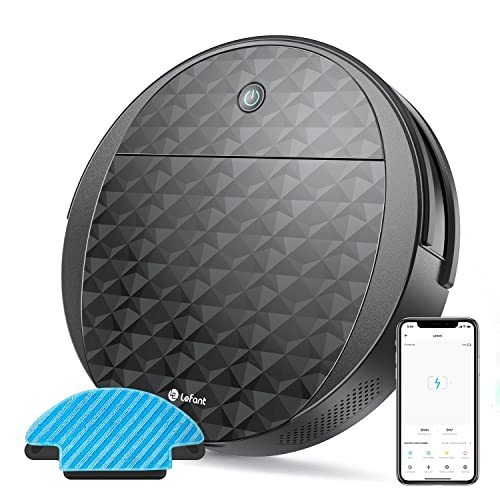
Q: What is a self-emptying robot vacuum?
A: A self-emptying robot vacuum features a charging dock that likewise includes a larger dustbin. When the robot vacuum’s internal dustbin is full, it immediately goes back to the dock and empties its contents into the bigger bin. This substantially minimizes the frequency of manual dustbin clearing, offering boosted convenience.


