
shipping-container-construction6076
shipping-container-construction6076
Ten Shipping Container Modifications That Really Make Your Life Better
The Versatility of Shipping Container Modifications: A Comprehensive Guide
Recently, shipping containers have actually developed beyond their original function of transferring items across oceans. Today, these steel giants are being repurposed for a range of uses varying from homes and workplaces to retail spaces and agricultural facilities. The pattern of customizing shipping containers has actually acquired considerable traction, thanks to their intrinsic sturdiness, cost-effectiveness, and flexibility. This post looks into the different modifications that can transform an easy shipping container into a fully functional area customized to particular requirements.
Why Choose Shipping Container Modifications?
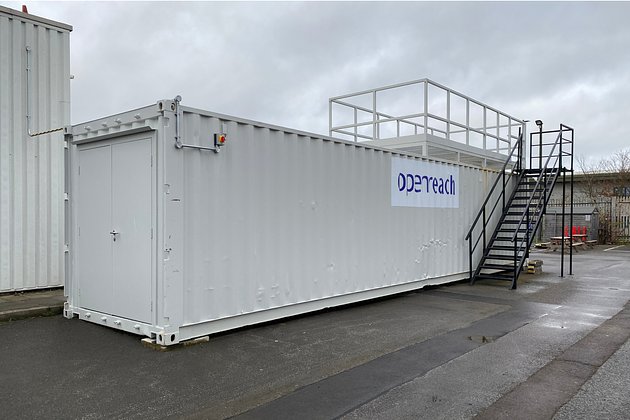
Before diving into the specifics of modifications, it’s essential to comprehend why shipping containers are an appealing choice:
-
Affordability: Compared to standard construction, shipping container modifications can save considerable expenses.
-
Toughness: Made from steel, these containers can endure extreme climate condition, making them ideal for long-term projects.
-
Eco-Friendly: Repurposing shipping containers is a sustainable choice, minimizing waste and conserving resources.
-
Portability: Shipping containers can be quickly relocated, using versatility for services and jobs that need mobility.
Table 1: Key Advantages of Shipping Container Modifications
| Benefit | Description |
|---|---|
| Cost-Effectiveness | Lower construction costs compared to traditional structures |
| Resilience | Resistant to aspects, insects, and fire |
| Eco-Friendliness | Sustainable usage of resources |
| Adaptability | Functional for various applications (homes, offices, stores) |
| Mobility | Easily portable to different areas |
Popular Modifications for Shipping Containers
The modifications offered for shipping containers are as diverse as the requirements they fulfill. Below is a list of a few of the most typical modifications:
-
Cut-Out Windows and Doors: Adding doors and windows enables natural light to flood the space and provides essential access points.
-
Insulation and Climate Control: Proper insulation and HVAC systems turn an otherwise metal box into a comfortable living or working environment.
-
Electrical and Plumbing Installations: Adding circuitry and pipes allows the container to work like a standard building, total with energies.
-
Interior Finishing: Walls, flooring, and ceilings can be personalized to accomplish the wanted aesthetic of any space.
-
Roofing Modifications: A sloped roofing or extra skylights can enhance drainage and supply a more appealing outside.
-
Stacking and Joining: Containers can be stacked or welded together to produce bigger areas, suitable for homes or large retail locations.
Table 2: Common Modifications and Their Benefits
| Modification | Benefits |
|---|---|
| Cut-Out Windows and Doors | Boosts natural light and accessibility |
| Insulation and Climate Control | Enhances convenience and energy efficiency |
| Electrical/Plumbing Installations | Practical utilities for everyday use |
| Interior Finishing | Individualized visual appeals and comfort |
| Roofing Modifications | Improved drainage and visual appeal |
| Stacking and Joining | Broadens functional space and design possibilities |
Examples of Shipping Container Uses
The range of applications for modified shipping containers continues to expand. Below are some significant usages:
-
Residential Homes: Container homes have become a popular option for those looking for sustainable and cost effective housing.
-
Pop-Up Retail: Businesses are making use of containers as momentary retail areas, suitable for pop-up shops or seasonal markets.
-
Workplaces: Companies are significantly embracing containers for mobile or temporary office solutions.
-
Workshops and Studios: Artists and artisans often transform containers into workshops or studios, offering a separated and focused location for imagination.
-
Dining establishments and Cafes: Food business owners are capitalizing on the unique design of container modifications for fashionable dining experiences.

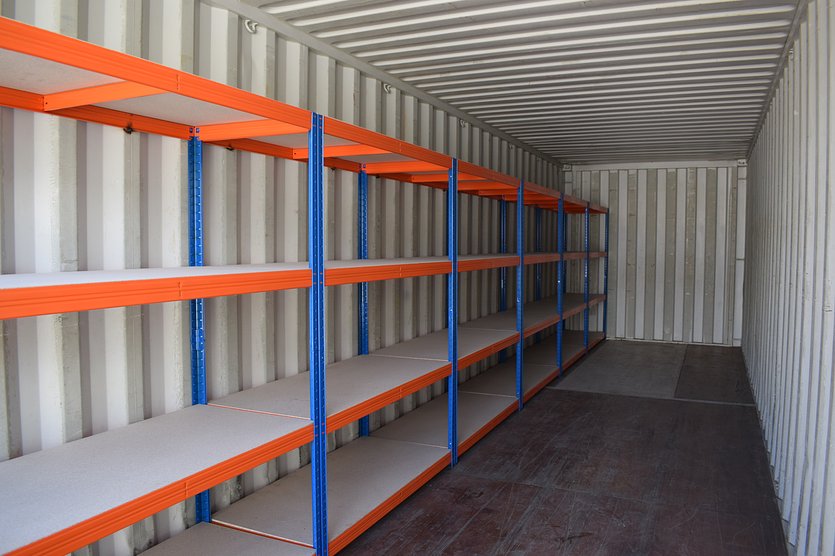
Table 3: Unique Applications of Modified Containers
| Application | Description |
|---|---|
| Residential Homes | Environmentally friendly housing solutions |
| Pop-Up Retail | Momentary look for seasonal or event-based sales |
| Mobile Offices | Quick-to-setup office |
| Workshops and Studios | Innovative spaces away from diversions |
| Dining establishments and Cafes | Distinct dining experiences in a trendy setting |
Frequently Asked Question About Shipping Container Modifications
Q1: Are shipping container modifications sustainable?
Yes, utilizing shipping containers for modification is considered a sustainable practice. It repurposes existing materials, hence minimizing construction waste and saving natural resources.
Q2: What allows are required for container modifications?
The licenses needed vary by place and intended use. Generally, a structure permit is necessary, and it is a good idea to consult local zoning laws to identify specific requirements.
Q3: How long do shipping containers last?
When properly preserved, shipping containers can last for over 25 years. Regular upkeep such as checking for rust and sealing leakages is vital.
Q4: Can I fund a shipping container modification project?
Lots of financial institutions offer loans specifically for acquiring and modifying shipping containers. It’s recommended to inspect with your bank for their specific offerings.
Q5: How do I select the right modifications for my task?
Comprehending your requirements and the intended use of the container is essential. Consulting with an expert designer experienced in container modifications can help recognize the ideal modifications.
Shipping Container Modifications (www.alphonsowasinger.top) offer an innovative option for numerous requirements– whether for residential, commercial, or recreational functions. Their versatility, cost-effectiveness, and sustainability make them an increasingly attractive option in today’s construction landscape. With the ability to personalize and adapt these containers to fulfill specific requirements, it’s clear that the potential for shipping container modifications is large and ever-evolving. As this trend grows, so too will the innovative possibilities for how we utilize these robust structures.