
treadmills-on-sale6016
treadmills-on-sale6016
Why Walking Machine Is The Best Choice For You?
The Walking Machine: A Comprehensive Guide to Your Fitness Companion
In today’s fast-paced world, where time is a luxury, keeping a constant workout regimen can be an obstacle. For numerous, a walking machine– typically known as a treadmill– serves as an ideal fitness companion. This post supplies an in-depth take a look at walking machines, including their advantages, types, maintenance pointers, and regularly asked concerns.
Why Choose a Walking Machine?
Walking machines use a practical and efficient method to incorporate cardiovascular exercise into every day life. Here are a number of crucial advantages:
- Convenience: Walking machines enable individuals to exercise anytime, no matter weather conditions or time restrictions. They are best for busy schedules.
- Adaptability: Users can stroll, jog, or run at their own speed and intensity.
- Security: Walking machines provide a lower risk of injury compared to outdoor walking or running, specifically for newbies or those recovering from injuries.
- Tracking Progress: Many treadmills included built-in monitors that track metrics like speed, distance, and calories burned.
Kinds Of Walking Machines
When thinking about a walking machine, it’s vital to pick the right type based on specific physical fitness goals and area restrictions. Below are the main types of walking machines:
| Type | Description |
|---|---|
| Handbook Treadmills | These machines do not have a motor, and users need to stroll or run to turn the belt. |
| Electric Treadmills | Powered by an electric motor, allowing users to set the speed and slope effortlessly. |
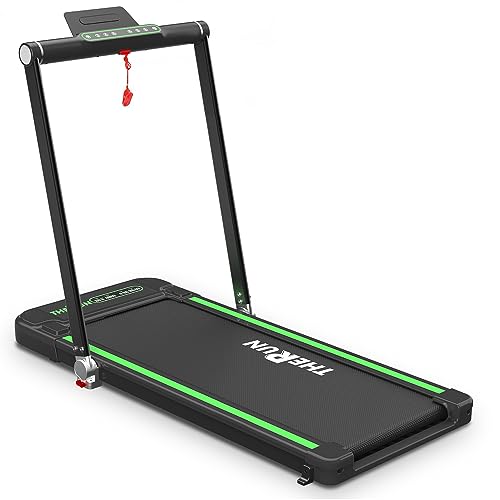
| Folding Treadmills | Developed for easy storage, these treadmills can be folded up when not in use. |
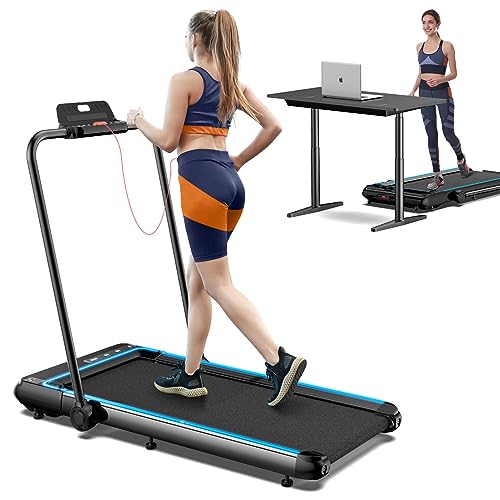
| Desk Treadmills | Perfect for a dual work and exercise environment, these compact machines permit walking while working. |
| Slope Trainers | These permit users to imitate uphill walking, enhancing workout intensity and calorie burn. |
Picking the Right Walking Machine
Choosing the right walking machine can considerably affect motivation and efficiency. Here are some factors to think about:
Key Features to Look For
- Motor Power: A powerful motor ensures a smooth and constant workout. For periodic walkers, a 1.5 HP motor is normally adequate; for heavier usage, look for 3.0 HP and above.
- Belt Size: A larger and longer belt offers more space for a comfortable stride. Requirement sizes vary from 16 inches wide and 50 inches long.
- Incline Options: Adjustable slope settings can replicate walking or running uphill, increasing the intensity of the workout.
- Shock Absorption: Good shock absorption decreases the risk of joint injuries and improves convenience.
- Console Features: Look for built-in workouts, heart rate displays, and connection functions like Bluetooth for a more engaging experience.
Spending plan Considerations
Walking machines can be found in a broad variety of rates, depending upon features and construction quality. Here’s a rough budget plan breakdown:
| Price Range | Features |
|---|---|
| Under ₤ 300 | Fundamental handbook or small electric treadmills with limited functions. |
| ₤ 300 – ₤ 700 | Advanced electric treadmills with slope, medium power motors, and better service warranties. |
| ₤ 700 – ₤ 1500 | High-quality electric treadmills with larger integrated screens, substantial functions, and guarantees. |
| ₤ 1500 and above | High-end designs offering sophisticated innovation, features, and long lasting building and construction for major fitness lovers. |
Maintenance Tips for Your Walking Machine
To guarantee durability and ideal efficiency of a walking machine, consider the following upkeep tips:
- Regular Cleaning: Dust and sweat can collect on the machine and the belt. Clean down the surfaces and tidy the belt routinely.
- Lubrication: Depending on the model, lubricating the running belt occasionally can avoid wear and tear. Inspect the manufacturer standards for recommended lubrication schedules.
- Examination: Periodically examine the machine for loose screws or worn parts. Tighten up and change as needed.
- Calibration: Occasionally, inspect the calibration of your machine’s metrics to guarantee they supply accurate data.
- Correct Use: Follow the producer’s suggestions for Sale treadmill weight limits and functional guidelines.
FAQs About Walking Machines
1. Are walking machines a great workout?
Yes, walking machines offer an outstanding cardiovascular exercise, can aid with weight loss, and improve total health.
2. How typically should I use a walking machine?
Go for at least 150 minutes of moderate-intensity aerobic activity each week, which can easily be accomplished with routine sessions on a walking machine.
3. Can I reduce weight on a walking machine?
Yes, including a walking machine routine into a healthy diet plan can promote weight reduction, especially if combined with intervals and incline training.
4. Is it safe for elders to use a walking machine?
Yes, walking machines can be safe for elders with low-impact settings and safety functions like handrails. Nevertheless, individuals should speak with their healthcare company before starting any workout program.
5. What’s the difference in between a treadmill and a walking machine?
The term “walking machine” usually refers to a treadmill planned for walking, while “treadmill” can describe machines used for various strengths, including running.
With their adaptability and convenience, walking machines can substantially improve one’s physical fitness journey. By thoroughly selecting the right type, making sure correct maintenance, and integrating different workout methods, users can maximize their walking machine’s benefits. As with any workout routine, consistency is essential to accomplishing lasting physical fitness results.