
island-cooker-hoods0686
island-cooker-hoods0686
Guide To Cooker Extractor Hood: The Intermediate Guide On Cooker Extractor Hood
Understanding Cooker Extractor Hoods: A Comprehensive Guide
In modern kitchens, the cooker Extractor – https://www.rolandobiscahall.top/technology/the-essential-guide-To-cooker-hood-extractor-fans/ – hood is more than simply an accessory; it is a crucial component that makes sure a comfortable and clean cooking environment. This post delves deep into what cooker extractor hoods are, their functions, various types, key considerations for selection, and often asked questions. Whether property owners are remodeling their kitchens or just wanting to update their cooking devices, understanding the role of an extractor hood can assist make informed decisions.
What is a Cooker Extractor Hood?
A cooker extractor hood, also called a range hood or kitchen hood, is a gadget set up over the cooktop or stove. Its primary function is to aerate the kitchen by getting rid of airborne grease, smoke, steam, and smells produced throughout cooking. This not only enhances air quality but also helps in keeping the kitchen’s tidiness.
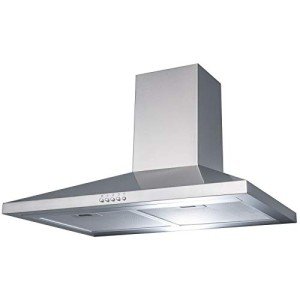
Functions of Cooker Extractor Hoods
The main functions of an extractor hood include:
- Filtration: Removing air-borne particles and odors through filters.
- Ventilation: Providing fresh air by absorbing stale air, grease, and smoke.
- Lighting: Offering lighting over the cooking area for much better exposure.
- Heat Regulation: Preventing excess heat from accumulating in the kitchen.
Kinds Of Extractor Hoods
Cooker extractor hoods can be found in different types, each matched for various kitchen designs and cooking designs. Below is a table summing up the different types:
| Type | Description | Pros | Cons |
|---|---|---|---|
| Wall-Mounted | Attached to the wall above the stove. | Efficient suction, space-saving | Needs wall space, setup can be complex |
| Under-Cabinet | Fits below kitchen cabinetry. | Discreet, convenient for small spaces | Might have lower suction power |
| Island | Suspended from the ceiling, suitable for kitchen islands. | Aesthetic appeal, effective ventilation | More costly, might require expert setup |
| Downdraft | Constructed into the cooktop, increases throughout usage and withdraws when not required. | Streamlined design, saves overhead space | Typically less efficient than standard hoods |
| Filterless | Utilizes advanced purification innovation, decreasing grease and smells without traditional filters. | Less maintenance, longer life-span | Typically higher rate point, may not fit all kitchen designs |
Secret Considerations for Choosing a Cooker Extractor Hood
When choosing a cooker extractor hood, a number of factors must be thought about to make the most of performance and make sure viability for individual kitchen requirements:
1. Size
Ensure the hood is at least as wide as the cooktop. Optimal sizing is vital for effective air capture. For a much better fit, consider:
- Standard cooktops: 30 inches hoods
- Expert cooktops: 36 inches or larger hoods
2. Suction Power (CFM)
The airflow of the hood is measured in Cubic Feet per Minute (CFM). A higher CFM suggests better ventilation, which is crucial for heavy cooking.
Recommended CFM:
- Light cooking (e.g., boiling, steaming): 200-300 CFM
- Moderate cooking (e.g., sautéing, frying): 300-600 CFM
- Heavy cooking (e.g., grilling, wok cooking): 600+ CFM
3. Ducted vs. Ductless
- Ducted: Ventilates outdoors, highly effective but requires installation of ductwork.
- Ductless: Filters air and recirculates it back into the kitchen; installation is simpler however may not be as efficient.
4. Sound Level (Sonnes)
Pay attention to the noise level, particularly in open-concept homes. Search for hoods that run quietly, preferably producing less than 60 decibels on high speed.
5. Design and Aesthetics
Select a hood that matches the overall kitchen decoration. Alternatives can range from modern stainless steel to standard designs that blend seamlessly.
6. Alleviate of Maintenance
Think about designs with detachable, dishwasher-safe filters to reduce cleaning efforts. Some models feature filter pointers or signs to inform users when a modification is needed.
Advantages of Installing a Cooker Extractor Hood
Including a cooker extractor hood into the kitchen offers several notable benefits:
- Improved Air Quality: Filters and flows fresh air, reducing cooking odors.
- Enhanced Comfort: Minimizes heat and steam retention.
- Cleaner Kitchens: Reduces grease accumulation on cabinets and walls.
- Visual Appeal: Modern hoods work as decorative components.
Frequently Asked Questions (FAQ)
1. How often should I clean my cooker extractor hood?
It is suggested to clean the filters every 1-3 months, depending on use frequency. Routine cleaning prevents grease buildup, ensuring optimum efficiency.
2. Can I set up a cooker extractor hood myself?
While some models are developed for easy DIY installation, complex ductwork or heavy models may need expert setup to guarantee security and performance.
3. How do I determine the right CFM for my kitchen?
Measure your cooktop measurements and consider cooking styles. A general rule is 1 CFM for each 100 BTUs of the stove’s optimum heat output.
4. What kind of hood is best for a small kitchen?
Under-cabinet hoods or downdraft designs are perfect for small kitchens due to their compact design, conserving important space without compromising function.
5. Are all extractor hoods loud?
No, noise levels differ substantially. Search for hoods that provide a greater CFM at lower decibels for a quieter efficiency.
Buying a proper cooker extractor hood is essential for producing a cleaner and more comfy cooking environment. By comprehending the various types, functions, and crucial considerations in selecting a hood, property owners can considerably improve their kitchen experience. With the right extractor hood in place, you’ll take pleasure in fresher air, lowered smells, and a more inviting kitchen area that’s as functional as it is elegant.


