
modern-espresso-machine3368
modern-espresso-machine3368
10 Apps That Can Help You Control Your Professional Espresso Machine
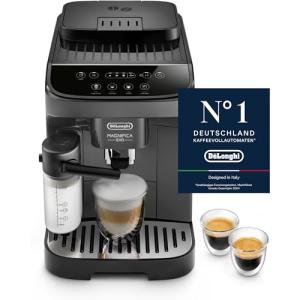
The Complete Guide to Professional Espresso Machines
Espresso machines represent the enthusiasm for coffee, merging art and science to create a satisfying drink experience. From dynamic cafe to high end restaurants, these machines play an essential role in producing rich, concentrated coffee shots. This post intends to provide an extensive understanding of professional espresso machines, covering their types, performances, maintenance, and responses to frequently asked concerns.
Table of Contents
- Overview of Professional Espresso Coffee Maker Machines
- Kinds Of Professional Espresso Machines
- 2.1. Manual Espresso Machines
- 2.2. Semi-Automatic Espresso Machines
- 2.3. Automatic Espresso Machine For Office Machines
- 2.4. Super-Automatic Espresso Machine Espresso Machines
- Secret Features to Consider
- Maintenance Tips for Longevity
- Regularly Asked Questions
- Conclusion
1. Overview of Professional Espresso Machines
Professional espresso machines are powerful devices developed to extract Espresso Coffee Machines efficiently while making sure consistency and quality. Unlike home machines, these units are developed for high-volume use, frequently with sophisticated functions to accommodate sophisticated brewing strategies.
2. Kinds Of Professional Espresso Machines
Picking the right type of espresso machine depends substantially on the requirements of the facility. Below is a breakdown of the different types offered in the market.
| Type | Description | Suitable For |
|---|---|---|
| Manual Espresso Machines | Needs barista ability; users by hand manage the extraction procedure. | Artisan cafe and enthusiasts. |
| Semi-Automatic Machines | Provides some automation; users manage water flow. | Most cafe and dining establishments. |
| Automatic Machines | Instantly controls water quantity; user sets dosage. | Hectic cafes or facilities. |
| Super-Automatic Machines | Completely automated, grinding, developing, and cleansing with a tap. | High-volume settings with very little personnel. |
2.1. Manual Espresso Machines
Manual espresso machines are classic and popular amongst perfectionists who take pleasure in fine-tuning the espresso-brewing procedure. It needs considerable ability, as the operator must by hand manage the water circulation and pressure.
2.2. Semi-Automatic Espresso Machines
Semi-automatic machines are the most widely utilized in coffee shops and coffee bar. They supply user control over the water flow, permitting baristas to develop consistently excellent espresso shots while still having control over brewing variables.
2.3. Automatic Espresso Machines
In automatic machines, the developing procedure is automated. The machine fills the needed water amount for each shot, allowing for high efficiency in busy environments. Although it provides less flexibility in developing methods, the consistency is exceptional.
2.4. Super-Automatic Espresso Machines
Super-automatic machines take benefit to the next level by controlling every action of the coffee-making process. From grinding the beans to frothing the milk, these machines are ideal for high-volume cafes where speed and performance are vital.
3. Secret Features to Consider
When investing in a professional Espresso Machine Under £500 machine, it’s vital to consider the following features:
| Feature | Significance |
|---|---|
| Boiler Type | Single boiler vs. dual boiler. Dual boilers permit brewing and steaming all at once. |
| Group Heads | Multi-group heads cater to several beverages at the same time, increasing productivity. |
| Pressure Control | Consistent pressure is vital for quality extraction. |
| Steam Wand | Quality frothing capabilities for milk-based drinks. |
| Reduce of Cleaning | Removable parts can save time on upkeep and ensure hygiene. |
| Resilience | Search for sturdy materials that will hold up against consistent use. |
| Size | Should fit the designated area while accommodating user requirements. |
4. Maintenance Tips for Longevity
Preserving a professional espresso machine is crucial for guaranteeing longevity and ideal performance. Here are some crucial upkeep pointers:
- Daily Cleaning: Clean the group heads and portafilters to remove coffee oils and residues.
- Weekly Backflush: Use a blind filter to backflush the machine, keeping the internals clean.
- Descale Regularly: Pinto your machine’s standards for descaling frequency depending upon your water solidity.
- Inspect Seals and Gaskets: Replace worn parts to avoid leakages and maintain pressure.
- Check Water Quality: Use filtered water to reduce mineral buildup that can harm the machine.
- Professional Maintenance: Schedule professional maintenance to make sure all systems run effectively.
5. Frequently Asked Questions
Q1: How much does a professional espresso machine cost?A1: The rate of a professional espresso machine can range from ₤ 2,000 to over ₤ 20,000, depending on the type, brand name, and features. Q2: What is the very best machine for
a small coffee shop?A2: Semi-automatic machines are typically best
for small coffee shops because they strike a balance in between control and ease of usage. Q3: How long do professional espresso machines last?A3: With appropriate upkeep, a professional Modern Espresso Machine machine can last
anywhere from 5 to 15 years. Q4: What type of training does a barista need to run an espresso machine?A4: Baristas ought to learnthe technical aspects of espresso extraction, milk frothing, and basic machine upkeep. Q5: Are super-automatic machines worth the investment?A5: For high-volume establishments with restricted staff, super-automatic machines can significantly
lower labor while guaranteeing consistent quality. 6. Conclusion Buying a professional espresso machine is important for any coffee company aiming to deliver high-quality drinks. Comprehending the types readily available, in addition to their features and