
cooker-extractor-hood4342
cooker-extractor-hood4342
See What Hood Cooker Tricks The Celebs Are Using
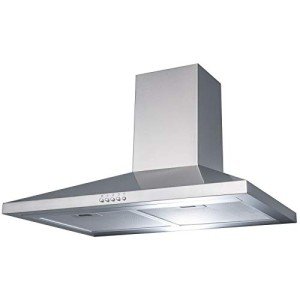
Everything You Need to Know About Hood Cookers: The Ultimate Kitchen Companion
Hood cookers, typically described as range hoods, are necessary appliances in contemporary kitchens. They are designed to aerate the area by recording heat, smoke, steam, and odors produced during cooking. With the diverse alternatives available, including different designs, installing types, and features, choosing the right hood cooker can be a difficult task for numerous homeowners. In this post, we will look into the world of hood cookers, exploring their types, functions, benefits, and vital factors to consider for selecting the perfect range hood for your home.
Tabulation
- Comprehending Hood Cookers
- 1.1 What is a Hood Cooker?
- 1.2 Why Install a Hood Cooker?
- Types of Hood Cookers
- 2.1 Wall-Mounted Range Hoods
- 2.2 Under-Cabinet Range Hoods
- 2.3 Island Range Hoods
- 2.4 Downdraft Ventilation
- Key Features to Consider
- 3.1 Size and Height
- 3.2 Airflow Efficiency
- 3.3 Noise Levels
- 3.4 Lighting Options
- 3.5 Filtration Systems
- Benefits of Having a Hood Cooker
- Tips for Choosing the Right Hood Cooker
- Frequently Asked Questions (FAQs)
1. Understanding Hood Cookers
1.1 What is a Hood Cooker?
A hood cooker is a kitchen appliance developed to remove air-borne grease, smoke, and smells produced while cooking. By effectively flowing air, hood cookers help preserve a fresh and pleasant environment in the kitchen.
1.2 Why Install a Hood Cooker?
Setting up a hood cooker has a number of benefits:
- Improved Air Quality: It assists in removing humidity and impurities from the air.
- Boosted Cooking Experience: A clean air environment makes cooking more satisfying.
- Security: Reducing air-borne grease lessens the danger of kitchen fires.
- Visual Appeal: A trendy hood cooker can enhance the general design of a kitchen.
2. Kinds Of Hood Cookers
Numerous types of hood cookers are offered, each developed to fit various kitchen designs and configurations.
2.1 Wall-Mounted Range Hoods
Typically mounted above the cooking range on a wall, these hoods can be discovered in various styles, from conventional to contemporary.
Pros:
- Suitable for numerous kitchen designs.
- High suction power.
Cons:
- Requires sufficient wall area.
2.2 Under-Cabinet Range Hoods
These are installed underneath kitchen cabinets, saving area while using good ventilation.
Pros:
- Compact and space-saving.
- Simpler to set up.
Cons:
- May not be as powerful as wall-mounted options.
2.3 Island Range Hoods
These range hoods are developed for kitchens with a cooking island, hanging above the stovetop.
Pros:
- Aesthetic focal point.
- Supplies excellent ventilation.
Cons:
- Higher installation expenses.
2.4 Downdraft Ventilation
Set up directly behind the cooktop, downdraft systems pull smoke and vapors down while cooking.
Pros:
- Discreet and minimalistic.
- Saves overhead space.
Cons:
- Less reliable for heavy cooking.
| Kind Of Hood Cooker | Pros | Cons |
|---|---|---|
| Wall-Mounted | Versatile, High suction power | Needs wall area |
| Under-Cabinet | Space-saving, Easy installation | May have lower power |
| Island | Attractive, Excellent ventilation | Greater setup expenses |
| Downdraft | Minimalist, Space-saving | Less reliable for heavy cooking |
3. Key Features to Consider
When picking a hood cooker, keep these vital functions in mind:
3.1 Size and Height
Select a hood cooker that matches the width of your cooktop. Usually, it must be at least 3 inches wider than the range on each side. The advised height is 24 to 30 inches above the cooktop for wall-mounted hoods.
3.2 Airflow Efficiency
Determined in cubic feet per minute (CFM), air flow effectiveness figures out how well the hood eliminates smoke and smells. A higher CFM score shows better performance. Generally, a range hood should have a CFM score of 300 to 600.
3.3 Noise Levels
Sound can be an important consideration. Many range hoods operate between 1.5 to 6.5 sones. A sones ranking of 1.5 to 3.0 is considered quiet, while anything above that might be disruptive.
3.4 Lighting Options
Excellent lighting is vital while cooking. Numerous hood cookers come geared up with incorporated lighting, which can be halogen, LED, or incandescent. Choose intense lighting that can brighten your cooking surface area efficiently.
3.5 Filtration Systems
2 primary types of filtering systems exist: ducted and ductless. Ducted hoods expel air outside, while ductless hoods utilize filters to recirculate air. Pick based on your kitchen’s design and preference.
| Function | Significance |
|---|---|
| Size and Height | Matches cooking surface area, guarantees effectiveness |
| Air Flow Efficiency (CFM) | Determines the hood’s ability to ventilate |
| Sound Levels | Convenience level during operation |
| Lighting Options | Exposure while cooking |
| Filtration Systems | Ducted vs. ductless based upon setup requires |
4. Benefits of Having a Hood Cooker
- Air Quality Improvement: Removes impurities in the air.
- Visually Pleasing: Enhances kitchen design.
- Increased Home Value: A well-designed range hood can increase resale value.
- Cooking Safety: Reduces fire threats by managing grease build-up.
5. Tips for Choosing the Right Hood Cooker
- Assess Your Cooking Habits: Consider how frequently and intensively you prepare.
- Measure Your Space: Ensure proper fit within your kitchen layout.
- Design Preferences: Choose a design that matches your kitchen design.
- Budget plan: Set a reasonable budget that includes setup expenses.
6. Frequently Asked Questions (FAQs)
Q1: Do I need a hood cooker if I have a gas stove?A1: Yes, it is suggested as gas ranges produce more contaminants and require proper ventilation for security and air quality. Q2: How often ought to I clean up the hood filters?A2: It is recommended toclean grease filters on a monthly basis and change charcoal filters
every 6 months to keep effectiveness. Q3: Can I set up a hood cooker myself?A3: While some individuals can install it, it is suggested to
employ a professional for correct setup
and alignment. Q4: What CFM score is best for my kitchen?A4: A general rule is to aim for 100 CFM for each 10,000 BTUs of your stove’s
output. For average home cooking, a CFM between 300-600 needs to suffice. In conclusion, hood cookers are an essential part of every modern kitchen, improving air quality, boosting safety, and adding to the kitchen’s total aesthetics. By understanding the different types, functions, and advantages, house owners can make educated choices that best suit their cooking routines and kitchen styles.


