
portable-ramp-wheelchair9200
portable-ramp-wheelchair9200
5 Killer Quora Answers To Wheelchair Ramps
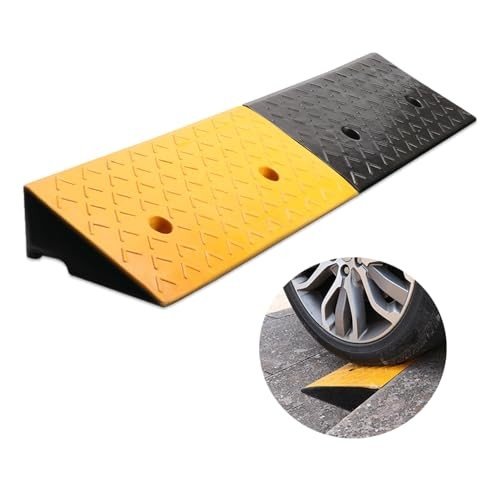
Portable Wheelchair Ramps for Steps: A Comprehensive Guide
Browsing the world can be an obstacle for people with mobility concerns, especially when coming across stairs. Traditional stairs can pose considerable barriers, but portable wheelchair ramps are a flexible and useful option that can assist individuals restore their independence and flexibility. This post uses an extensive take a look at portable wheelchair ramps, including their types, benefits, factors to consider when picking one, and responses to often asked concerns.
Comprehending Portable Wheelchair Ramps
Portable wheelchair ramps are created to provide a smooth transition from one level to another, such as from ground to a porch or in between floors in a structure. They can be easily carried and established, making them perfect for temporary usage, travel, or in circumstances where a long-term ramp installation is not feasible.
Types of Portable Wheelchair Ramps
Before selecting a portable wheelchair ramp, it’s necessary to comprehend the various types readily available on the market. The choice of ramp typically depends on particular requirements, the environment, and the person’s mobility device. Below is a table outlining the most typical kinds of portable wheelchair ramps.
| Ramp Type | Description | Perfect Use Cases |
|---|---|---|
| Folding Ramps | Lightweight and foldable for simple transport. | Home usage, travel, events |
| Telescoping Ramps | Adjustable length permitting personalization of the slope. | Differed heights, such as steps, curbs |
| Strong Ramps | Made from resilient materials and provides a steady entry. | Long-term or semi-permanent installations |
| Travel suitcase Ramps | Fold in half and look like a luggage when closed. | Travel, outside events |
| Limit Ramps | Small ramps developed to bridge the space in between different surfaces. | Doorways, shifts from surfaces |
Benefits of Portable Wheelchair Ramps
The schedule of portable wheelchair ramps has transformed how individuals with restricted mobility browse environments. Below is a list of the different benefits connected with utilizing these ramps:
-
Accessibility: Ramps provide access to places with steps where wheelchair users would otherwise be not able to go.
-
Independence: With a portable ramp, users can go into and leave buildings and lorries without external help.
-
Flexibility: Ideal for different settings, including home environments, outdoor areas, and public venues.
-
Relieve of Use: Many ramps are lightweight and easy to establish, making them user-friendly for individuals and caregivers alike.
-
Cost-effectiveness: Portable ramps often come at a fraction of the cost of long-term installations and can be reused in different areas.
-
Security: Ramps minimize the threat of falls and mishaps connected with steering up and down steps.
Considerations When Selecting a Portable Wheelchair Ramp
Selecting the ideal portable wheelchair ramp requires mindful consideration of several factors. Here are some bottom lines to bear in mind:
-
Weight Capacity: Ensure that the ramp can support the weight of the wheelchair and its resident. A lot of ramps define an optimum weight limit.
-
Length and slope: A longer ramp uses a gentler slope, which is simpler to browse. Preferably, the ramp length should be 1:12 for ADA compliance, indicating one inch of increase per foot of ramp.
-
Material: Ramps can be made from aluminum, fiberglass, or wood. Aluminum ramps are the most typically utilized due to their light weight and resilience.
-
Portability: Look for ramps that can be easily folded or collapsed for transportation.
-
Surface area Texture: Ensures traction and avoids slipping, specifically in damp conditions. Gripped or textured surfaces are preferable.
-
Relieve of Setup: Consider ramps that do not require tools or complex assembly procedures.
Often Asked Questions (FAQ)
1. How do I figure out the ideal ramp length?
As a general guideline, a ramp must have a slope ratio of 1:12. This indicates for each inch of height, you will require a minimum of 12 inches (or 1 foot) of ramp length.
2. Are portable wheelchair ramps ADA-compliant?
It depends on the particular ramp style and measurements. Always check if the ramp meets the Americans with Disabilities Act (ADA) requirements, especially for public usage.
3. Can I use a portable ramp outdoors?
Yes, numerous Portable Wheelchair Ramps For Steps ramps are created for outdoor use and are made from weather-resistant materials. Constantly examine the requirements to verify.
4. How do I preserve a portable wheelchair ramp?
Keep the ramp tidy and examine for damage frequently. Check the surface area for wear and ensure that it remains steady during usage.
5. Can wheelchair ramps be utilized for other mobility devices?
Yes, portable ramps can accommodate numerous mobility gadgets, including scooters, walkers, and power chairs.
6. Where can I purchase portable wheelchair ramps?
Portable wheelchair ramps can be bought from medical supply shops, online sellers, and specialized mobility devices vendors.
Portable wheelchair ramps bridge the space in between mobility challenges and accessibility, enabling individuals with disabilities to lead independent and fulfilling lives. With a wide array of alternatives and a host of benefits, discovering the right ramp requires thoughtful consideration of the user’s special needs. By comprehending the advantages, features, and elements to consider, people and caregivers can make educated choices to improve mobility and availability. Whether for use in the house, on the road, or in public areas, portable wheelchair ramps are invaluable tools that open up the world to those who require them.


