
cookerhood4427
cookerhood4427
Cooking Hood Tools To Make Your Daily Lifethe One Cooking Hood Trick That Everyone Should Be Able To
Understanding Cooking Hoods: An Essential for Every Kitchen
In the modern kitchen, cooking hoods– also referred to as range hoods, Hob Extractor Small Cooker Hoods, or ventilators– serve an important function that enhances both culinary performance and home comfort. They are created to eliminate smoke, grease, wetness, and cooking smells from the air, contributing to a tidy and enjoyable cooking environment. This post will delve into the various kinds of cooking hoods, their setup, advantages, upkeep, and answer some often asked questions to help you make notified choices for your kitchen.
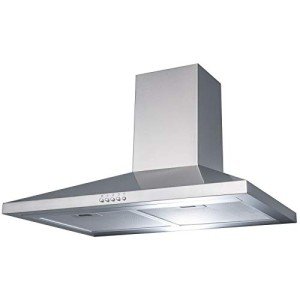
Table of Contents
- What is a Cooking Hood?
- Kinds Of Cooking Hoods
- 2.1 Under-Cabinet Hoods
- 2.2 Wall-Mounted Hoods
- 2.3 Island Hoods
- 2.4 Downdraft Hoods
- Key Benefits of Cooking Hoods
- Setup Considerations
- Taking care of Your Cooking Hood
- Often Asked Questions (FAQ)
1. What is a Cooking Hood?
A cooking hood is a gadget that is set up above cooking appliances to aerate the kitchen. It works by using fans to pull in air which contains smoke, steam, grease, and smells, filtering the air before either recirculating it back into the kitchen or venting it outside.
Table 1: Components of a Cooking Hood
| Part | Description |
|---|---|
| Fan | Moves air effectively through the hood. |
| Filters | Traps grease and dirt; may be long-term or non reusable. |
| Light | Brightens the cooking area for better visibility while cooking. |
| Ductwork | Paths air to the exterior or back into the kitchen. |
2. Kinds Of Cooking Hoods
There are several classifications of cooking hoods, each developed for various kitchen layouts and cooking designs.
2.1 Under-Cabinet Hoods
Under-cabinet hoods are installed below wall cabinets and are ideal for space-saving in smaller sized kitchens.
2.2 Wall-Mounted Hoods
These hoods are installed directly onto the wall above the cooking surface area. They can be both trendy and functional, frequently making a statement in kitchen design.
2.3 Island Hoods
Developed for kitchens with a freestanding island, these hoods hang from the ceiling and typically require ducting. They are frequently larger and can be a centerpiece in an open-concept kitchen.
2.4 Downdraft Hoods
Downdraft hoods pull back into the counter and are ideal for kitchen islands or when ceiling height is restricted. They pull air down instead of up and usually are integrated with cooktops.
3. Secret Benefits of Cooking Hoods
Cooking Cooker Hoods are not simply devices however important components that offer numerous benefits:
-
Improved Air Quality: Cooking hoods successfully eliminate smoke and odors, improving indoor air quality.
-
Reduction of Grease Buildup: Filters catch grease particles, avoiding them from deciding on kitchen surfaces and devices.
-
Increased Kitchen Comfort: Maintaining a cooler kitchen environment by eliminating heat and moisture produced during cooking helps keep the space comfortable for both cooking and gathering.
-
Improved Lighting: Many hoods included integrated lighting, supplying better exposure for cooking tasks.
-
Increased Home Value: Well-installed and appropriately operating cooking Oven Hoods can increase residential or commercial property value, making homes more appealing to prospective buyers.
4. Installation Considerations
When it comes to setting up a cooking hood, several factors ought to be considered:
-
Ducted vs. Ductless: Determine whether you wish to vent air outside (ducted) or filter it and recirculate it back into the kitchen (ductless). Ducted systems tend to be more effective.
-
Size and Height: The cooking hood ought to extend a few inches beyond the cooking surface and be installed at the right height for ideal efficiency.
-
Ventilation Capacity: Evaluate the Hob Hood‘s air suction capability, often measured in CFM (cubic feet per minute), based on the size of your cooking range and the kind of cooking you carry out.
Table 2: Ventilation Capacity Recommendations
| Cooking Surface Size | Suggested CFM |
|---|---|
| 30 inches | 300 – 400 CFM |
| 36 inches | 400 – 600 CFM |
| 48 inches | 600 – 900 CFM |
5. Taking care of Your Cooking Hood
Regular maintenance is essential for ensuring your cooking hood carries out efficiently:
-
Clean Filters Regularly: Depending on the kind of filter, either tidy or change them each to 3 months.
-
Wipe Down Hood Surface: Use a soft fabric and suitable cleaner to wipe the exterior of the hood to get rid of grease and residue.
-
Look for Blockages: Periodically check the ductwork and vents for grease accumulation and clogs that might prevent airflow.
6. Regularly Asked Questions (FAQ)
Q1: How do I understand what size cooking Hood – www.milegajob.Com, I require?A1: Measure the width of your cooking surface. Preferably, your hood must be a few inches broader than the range to record smoke and steam successfully.
Q2: How frequently should I clean my cooking hood?A2: Filters ought to be inspected and cleaned up or changed each to 3 months, while the exterior ought to be cleaned as needed.
Q3: Are ductless hoods effective?A3: Ductless hoods can supply filtration and recirculation, but they might be less effective than ducted units in eliminating smoke and smells from your kitchen.
Q4: Can I install a cooking hood myself?A4: While basic setup may be possible for some with DIY abilities, it is generally suggested to work with a professional, especially for ducted systems.
Q5: Do cooking hoods produce sound?A5: Yes, hoods produce noise levels that vary by design and fan settings. Greater CFM hoods may produce more noise, but numerous manufacturers design hoods with sound decrease in mind.
In conclusion, cooking hoods are important parts that enhance the kitchen experience. By comprehending the types offered, their advantages, setup considerations, and upkeep needs, homeowners can make informed decisions that add to an efficient and pleasant cooking environment. Whether refurbishing or developing a brand-new kitchen, purchasing a quality cooking hood is an action towards achieving both performance and aesthetic appeal.