
dickenhobel-mit-absaugung5835
dickenhobel-mit-absaugung5835
15 Stationary Planer Test Benefits Everyone Needs To Be Able To
Understanding the Stationary Planer Test: An In-Depth Guide
When it comes to woodworking, precision is critical. Craftsmen rely greatly on tools that can create smooth, flat surfaces and consistent densities in lumber. One necessary tool that takes center phase in this process is the stationary planer. Nevertheless, the efficacy of a stationary planer can differ substantially based on different criteria that should preferably be checked before use. This is where the “Stationary Planer Test” enters into play, working as an assessment tool to gauge the performance and quality of the tool. This thorough guide will explore the nuances of the stationary planer test, its importance, methodology, and common concerns.
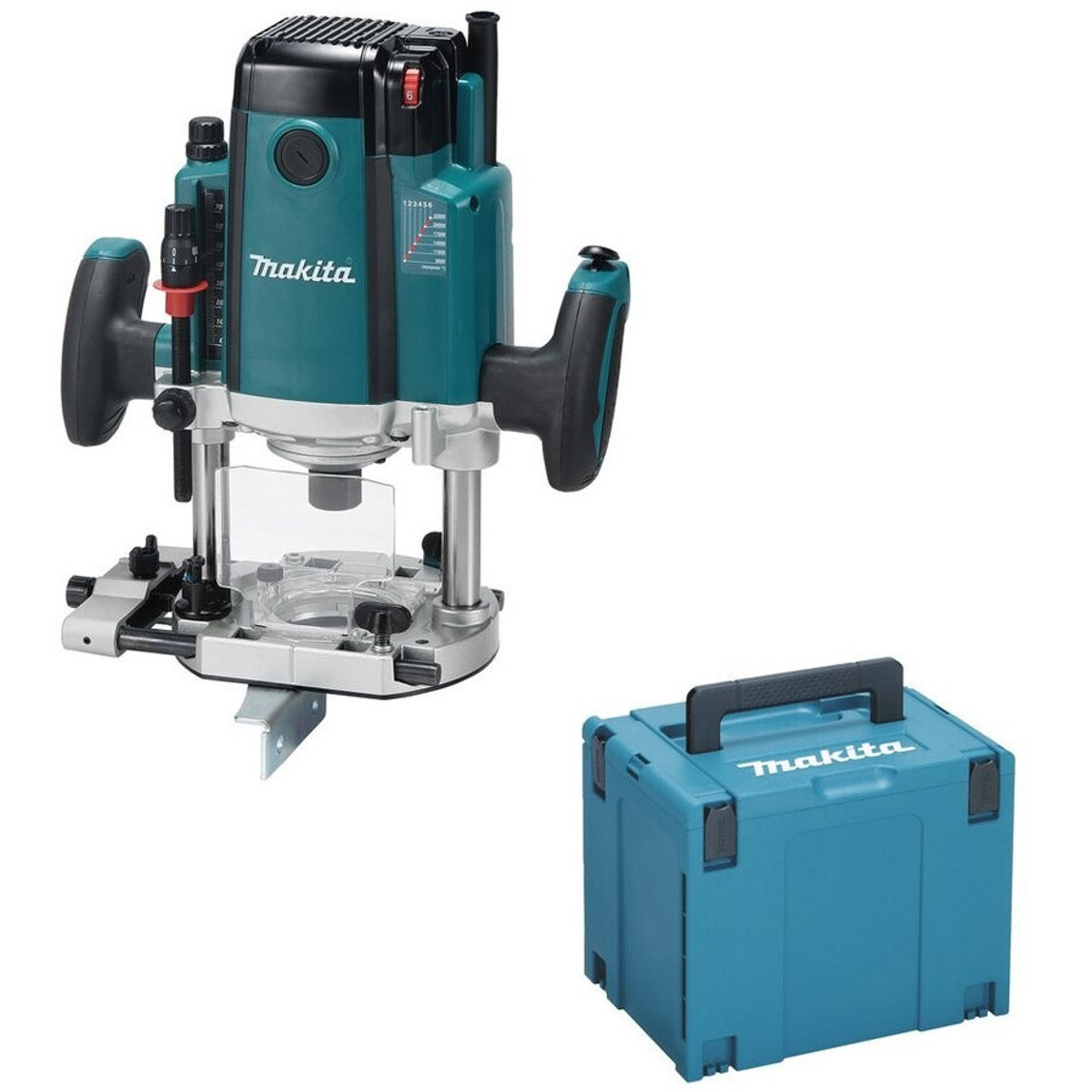
What is a Stationary Planer?
A stationary planer, typically referred to just as a “planer,” is a machine used to smooth wood surfaces and minimize the thickness of lumber. Unlike portable planers, stationary planers are fixed in one location, offering more power and stability, making them suitable for larger pieces of wood. The stationary style normally translates to greater efficiency, permitting finer finishes and more consistent outcomes.
Benefits of Using a Stationary Planer
| Advantage | Description |
|---|---|
| Precision | Offers consistent thickness throughout wood pieces |
| Smoother Surfaces | Leaves a fine finish that requires minimal sanding |
| Resilience | Built to endure durable use |
| Adaptability | Can work with a range of wood types and sizes |
Significance of the Stationary Planer Test
The stationary planer test is crucial for both manufacturers and end-users. Here are some essential factors why performing this test is important:
-
Quality Assurance: Manufacturers perform the test to make sure product safety and dependability. A well-constructed planer lessens the risk of accidents and enhances user experience.
-
Performance Metrics: The test helps identify measurements such as planing speed, cutting quality, and motor effectiveness. These metrics can be pivotal in examining whether the tool meets functional requirements.
-
Longevity Insights: Regular testing can offer insights into the wear and tear of various parts, Kantenfräse akku Angebot informing upkeep schedules for much better durability.
-
User Guidance: For end-users, the test results can offer assistance on the most efficient ways to make use of the planer, including feed rates and ideal cuts.
Key Performance Indicators (KPIs) in the Planer Test
The following key performance signs are usually observed throughout the stationary planer test:
| KPI | Description |
|---|---|
| Flatness | Procedures how flat the surface of the wood wants planing |
| Thickness Accuracy | Evaluates how closely the last thickness matches the target |
| Surface Roughness | Assesses the smoothness of the surface post-planing |
| Feed Rate | Determines optimum feed speed for reliable efficiency |
| Power Consumption | Evaluates the energy effectiveness of the machine |
Methodology of the Stationary Planer Test
Test Preparation
Before performing the stationary planer test, it’s necessary to prepare sufficiently:
-
Material Selection: Use different kinds of wood to evaluate flexibility. Typical options consist of softwoods like pine and woods like oak.
-
Machine Calibration: Ensure adjustments have been produced the preliminary settings. Examine if the blades are sharp, the height is Oberfräse Führungsschiene Set correctly, and the feed mechanisms are functional.
-
Security Precautions: Follow all safety procedures, consisting of using protective eyewear and protecting loose clothes.
Step-by-Step Testing Procedure
Follow these actions for an extensive assessment:
-
Initial Calibration Check:
- Measure the blade height.
- Validate the calibration utilizing an accuracy gauge.
-
Flatness and Thickness Test:
- Plane a piece of wood and determine its thickness at numerous points.
- Utilize a straightedge to inspect flatness throughout the surface.
-
Surface Area Roughness Measurement:
- Use a surface area roughness tester to assess the smoothness.
- A roughness average (Ra) value is usually taken in between 0.2 to 0.5 micrometers for effective planing.
-
Speed and Cnc Fräse Für Holz Preis Feed Rate Assessment:
- Record the time taken to plane different wood types at differing speeds.
- Calculate optimum feed rates for each product.
-
Final Review:
- Review collected information versus fixed standards.
- Assemble lead to an available format for future recommendation.
Outcomes Compilation
It is vital to record the findings methodically. Below is a sample format:
| Wood Type | Preliminary Thickness | Final Thickness | Flatness (mm) | Surface Roughness (Ra) | Feed Rate (m/min) |
|---|---|---|---|---|---|
| Pine | 38 mm | 30 mm | 0.1 | 0.3 | 8 |
| Oak | 40 mm | 35 mm | 0.05 | 0.4 | 6 |
Frequently Asked Questions (FAQ)
1. How frequently should stationary planers be tested?
Regular screening is suggested, generally after every significant usage, such as weekly or Elektrohobel Test, git.dresscode.top, month-to-month, depending on the volume of work.
2. Can I carry out the test myself?
Yes, woodworkers with some technical understanding can conduct the test, however if in doubt, it is advisable to seek advice from experts.
3. What tools do I require for the test?
You will require a thickness gauge, surface area roughness tester, Maschinen Set Mit 3 Akkus [Http://43.224.227.219:3000/Maschinen-Set-Mit-3-Akkus4280] a straightedge, and potentially a computer for data compilation.
4. What should I do if my planer does not carry out as expected?
Consider contacting client service for technical assistance, or seek advice from a professional for upkeep suggestions. A deeper evaluation may reveal further underlying issues.
5. Is the stationary planer test applicable to all planers?
While the principles are the same, the test’s specifics might differ depending on the type, size, and model of the planer.
The stationary planer test is a critical evaluation tool that guarantees both the performance and safety of these vital woodworking makers. By systematically evaluating different performance metrics, users can guarantee they achieve the finest possible results, from crafting furniture to complex woodworking tasks. Routine screening warranties not just quality in your work but also fosters a safer and more efficient workshop environment. Whether you’re a producer, akku Werkzeug set angebot professional woodworker, or an enthusiast, understanding the stationary planer test could make a world of difference in your woodworking ventures.