
victorian-garden-room-installers7764
victorian-garden-room-installers7764
See What Victorian Glass Conservatory Tricks The Celebs Are Utilizing
The Timeless Elegance of Victorian Glass Conservatories
In the world of architecture, the Victorian era represents a pinnacle of decorative information, complex craftsmanship, and ingenious design. Amongst the lots of structures that arose during this time, glass conservatories stand apart for their special blend of performance and aesthetic beauty. These lovely areas, frequently adorned with rich plant, are not simply useful; they develop a special environment where the dichotomy of the outdoors and inside your home wonderfully coalesces. This blog site post will explore the origins, designs, benefits, and upkeep of Victorian glass conservatories, in addition to additional insights for the curious house owner.
A Brief History of Victorian Glass Conservatories
Victorian glass conservatories emerged in the 19th century, accompanying the industrial transformation. The improvement of glass and iron production permitted builders to create vast expanses of glass that might be shaped into practical structures.
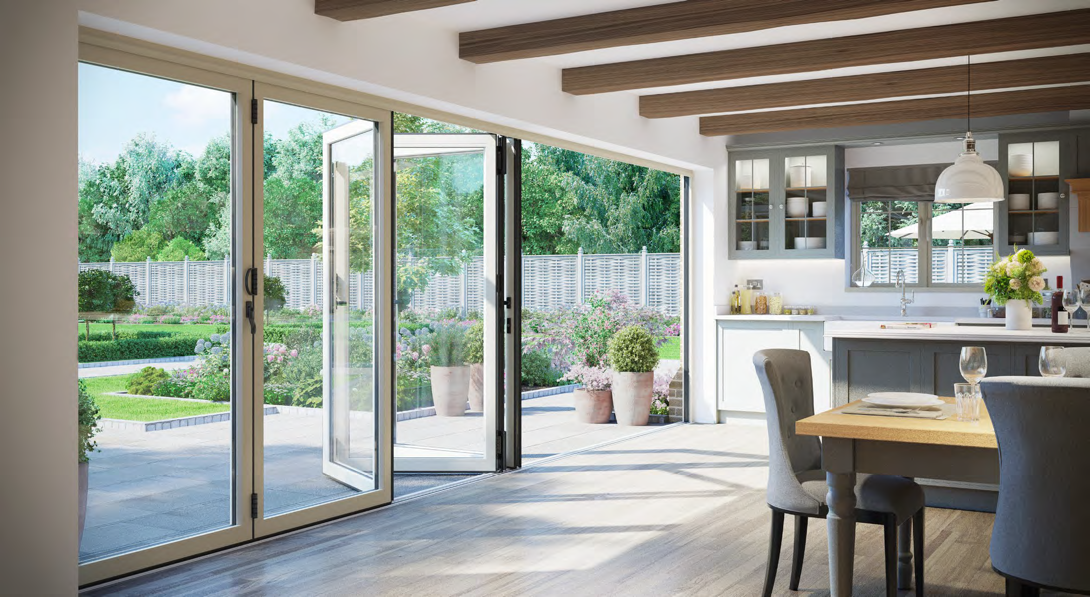
Key Historical Milestones:
| Year | Event |
|---|---|
| 1851 | The Great Exhibition in London showcases the Crystal Palace, a considerable milestone in glass architecture. |
| 1870s | The appeal of glasshouses increases among the rich, showing social changes and growing interests in botany and gardening. |
| 1890s | Victorian Greenhouse Construction conservatories begin to include more ornate styles, with elaborate decors and sophisticated ironwork. |
By the end of the 19th century, these structures were not just used to house exotic plants but likewise served as social areas for entertaining guests.
Distinct Features
Victorian glass conservatories are defined by their special architectural aspects that fuse functionality with art. Here are the trademark functions of these captivating spaces:
Architectural Elements:
- Ornate Ironwork: Intricate metal frameworks that form the skeleton of the conservatory, frequently including ornamental scrollwork and themes.
- Expansive Glass Panels: Large locations of glass allow for optimum sunlight exposure, producing a warm, welcoming environment.
- High Ceilings: Often vaulted or domed, high ceilings enhance the sense of space and amplify natural light.
- Gabled Roofs: The triangular roof structure permits for effective water drain while likewise supplying a classy silhouette.
Common Styles:
- Georgian: Simple and symmetrical types dominate, frequently wrapped in brick or stone.
- Gothic Revival: Features pointed arches and sophisticated design that harkens back to medieval architecture.
- Italianate: Characterized by low-pitched or flat roofings, often accompanied by flared cornices.
Benefits of Victorian Glass Conservatories
Investing in a Victorian Era Glasshouse Installers glass conservatory offers many benefits. Not just can it boost a property’s aesthetic appeal, but it can also improve energy and lifestyle.
Benefits:
- Natural Light: Maximizes sunlight direct exposure, offering a bright and airy environment, best for plant development or relaxation.
- Extended Living Space: Offers a flexible location that can be utilized for entertaining, dining, or just delighting in the view while being protected from the weather.
- Increased Property Value: High-quality conservatories can substantially raise the marketplace worth of a home, making it more attractive to possible purchasers.
- Energy Efficiency: Modern glass innovations, including double glazing, offer insulation that helps control temperature level throughout the year.
Upkeep Tips
To keep the charm and structural stability of a Victorian Home Extension Specialists glass conservatory, regular maintenance is necessary. Here are some essential upkeep tips:
Maintenance Checklist:
- Regular Cleaning: Clean the glass panels at least two times a year to eliminate dirt, gunk, and algae.
- Examine for Leaks: Regularly examine seals and signs up with for leaks, particularly after heavy rainfall.
- Examine the Frame: Inspect the metal frame for rust or deterioration, particularly in without treatment iron.
- Adjust Ventilation: Ensure appropriate ventilation by checking the opening systems, which is particularly essential during warmer months.
- Prune Plants: If utilizing the space for plants, regular pruning and looking for bugs will assist maintain a healthy environment.
FAQs About Victorian Glass Conservatories
Q1: Can I utilize my Victorian glass conservatory all year round?
A1: Yes, with appropriate heating and insulation, a Victorian Era Sunroom Installers glass conservatory can be delighted in throughout the year.
Q2: Are there any particular plants that grow better in a glass conservatory?
A2: Yes! Tropical plants, such as orchids, ferns, and palms, flourish in the controlled environment of a conservatory.
Q3: How much does it cost to build a Victorian glass conservatory?
A3: Costs can vary greatly depending upon size, products, and intricacy of design, however typical rates range from ₤ 25,000 to upwards of ₤ 50,000.
Q4: Do I need preparing authorization for a conservatory?
A4: In lots of cases, small conservatories fall under allowed advancement but check local regulations to ensure compliance.
Q5: What is the best way to warm a conservatory?
A5: Installing underfloor heating or electrical radiators are popular choices, as they can successfully warm the space without obstructing views.
Victorian Garden Conservatory glass conservatories not just exude sophistication and appeal however also serve as a flexible extension of living areas. They advise us of a time when workmanship flourished, and the charm of nature was commemorated in architecture. As modern-day homeowners look for to blend performance with aesthetic value, the long-lasting appeal of these spectacular structures becomes even more pertinent. Whether welcoming the rich flora within or unwinding in a space drenched in natural light, a Victorian glass conservatory is a testimony to classic beauty and development in architectural design.


