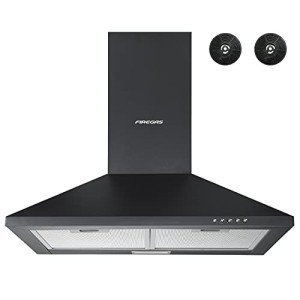
island-extractor-fan1055
island-extractor-fan1055
See What Cooker Extraction Hoods Tricks The Celebs Are Making Use Of
The Importance of Cooker Extraction Hoods: A Comprehensive Guide
In modern kitchens, the central role of a cooker extraction hood can not be overemphasized. As cooking strategies advance and kitchen design progresses, these home appliances have ended up being vital in preserving a tidy and safe cooking environment. Cooker extraction hoods, often called range hoods or kitchen hoods, serve multiple functions, from expelling smoke and smells to improving air quality. This article aims to notify readers about various elements of cooker extraction hoods, including their types, performances, benefits, and maintenance tips.
What is a Cooker Extraction Hood?
A cooker extraction hood is a mechanical gadget installed above cooktops or ranges designed to extract smoke, fumes, heat, and odor produced throughout cooking. These hoods can either be ducted, venting the air outside, or ductless, filtering and recirculating the air back into the kitchen.
Why Are Cooker Extraction Hoods Important?
- Air Quality: They help in preserving good air quality by eliminating cooking pollutants.
- Odor Control: They eliminate undesirable smells that might linger after cooking.
- Moisture Reduction: They reduce humidity levels in the kitchen, preventing mold growth.
- Safety: They decrease the threat of fire triggered by grease build-up.
- Convenience: They enhance the cooking experience by permitting users to operate in a pleasant environment.
Types of Cooker Extraction Hoods
Picking the right cooker extraction hood depends upon a range of factors, including kitchen size, cooking practices, and individual choices. Here are the main types:
| Type | Description | Best for |
|---|---|---|
| Wall-Mounted | Set up versus a kitchen wall, frequently above the range. | Basic kitchens |
| Under-Cabinet | Installed underneath kitchen cabinets, saving space. | Smaller sized kitchens |
| Island Hoods | Set up above kitchen islands and typically suspended. | Open-concept kitchens |
| Downdraft Hoods | Retractable hoods that turn up from the counter when required. | Trendy kitchens |
| Expert Hoods | Durable hoods developed for intensive cooking. | Premium kitchens |
| Ductless or Recirculating | Filters air and recirculates it back into the kitchen. | Houses doing not have ductwork |
Functions to Consider
When choosing a cooker extraction hood, think about the following functions:
-
CFM Rating: Higher Cubic Feet per Minute (CFM) rankings show more powerful airflow. A CFM of 300-600 is normally adequate for many home kitchens, while professional models might go beyond 900 CFM.
-
Noise Levels: Measured in sones, quieter hoods are around 1-3 sones. Think about the sound level based upon your cooking routines.
-
Fan Speed: Multiple speed settings enable users higher versatility based on cooking requirements.
-
Lighting: Integrated lighting can boost the cooking experience while providing presence over your cooktop.
-
Filters: Aluminum mesh or baffle filters are effective for grease and odor elimination. Some hoods also include charcoal filters for ductless options.
Advantages of Cooker Extraction Hoods
Here’s a list of advantages connected with having a cooker extraction hood:
- Enhanced air quality
- Reduction in cooking odors
- Decreased humidity levels
- Minimization of grease build-up
- Enhanced safety
- Increase in kitchen looks
- Included property worth
Installation and Maintenance
Installation Process
The installation of cooker extraction hoods may require expert aid, specifically for ducted designs. Here are some basic actions:
- Measure the Kitchen: Ensure the proper size of the hood for your cooktop.
- Choose the Location: Ideally, the hood ought to be placed 20-30 inches above the cooking surface area.
- Ducting (if suitable): Plan the ducting path for ideal airflow outside the home.
- Secure the Hood: Follow the maker’s standards for secure mounting.
- Connect Power: Ensure electrical connections adhere to local codes.
Maintenance Tips
- Routine Cleaning: Clean filters monthly to prevent grease accumulation.
- Replace Filters: Change charcoal filters as per the manufacturer’s suggestions.
- Check Ducts: Ensure ducts are clear and devoid of blockages to preserve airflow.
- Examine Lights: Replace bulbs as needed to make sure appropriate lighting throughout cooking.
Frequently Asked Questions (FAQ)
1. How frequently should I clean my cooker extraction hood?
It is advised to clean the filters of your cooker extraction hood a minimum of when a month.
2. Can I set up a cooker extraction hood myself?
While it is possible to install it yourself, particularly if it’s a ductless design, hiring a professional is a good idea for ducted hoods to make sure security and compliance with regional building regulations.
3. What is the perfect CFM ranking for a home kitchen?
A CFM between 300 and 600 is typically adequate for a lot of home kitchens; however, you may require a higher ranking for expert cooking styles.
4. Are ductless hoods as efficient as ducted hoods?
Ducted hoods are normally more effective at eliminating heat, smoke, and odors, as they vent air outside. Ductless hoods can be reliable however require routine filter changes and might not eliminate heat as well.
5. The length of time will my cooker extraction hood last?
With correct upkeep, a quality cooker extraction hood can last 10-15 years.
In conclusion, cooker extraction hoods are an important addition to any kitchen, providing benefits that boost both the cooking experience and general air quality. With various types offered, tailored functions, and constant upkeep, house owners can pick the perfect hood to meet their culinary requirements while promoting a healthier home environment.