
cooker-extractor-fans2488
cooker-extractor-fans2488
10 Things That Your Family Taught You About Extractor Hood Kitchen
The Essential Guide to Extractor Hoods in the Kitchen
An extractor hood, typically referred to as a range hood or kitchen hood, is more than simply a trendy addition to modern kitchens. It plays an essential function in making sure a tidy and comfy cooking environment. In this article, we will explore the different types, benefits, setup factors to consider, and maintenance of extractor hoods, in addition to responses to regularly asked questions.
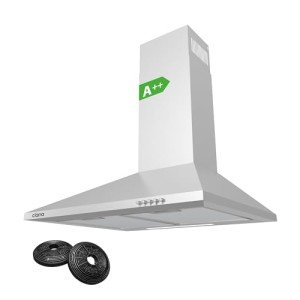
What is an Extractor Hood?
An extractor hood is a kitchen home appliance installed above the stove or range that removes airborne grease, smoke, steam, and odors produced during cooking. By effectively ventilating the location, extractor hoods preserve air quality and improve comfort while cooking.
Types of Extractor Hoods
Extractor hoods are available in numerous styles and functionalities. Here’s a take a look at the most typical types offered on the marketplace today:
| Type of Extractor Hood | Description | Best Suited For |
|---|---|---|
| Wall-Mounted | Mounted on the wall above the stove, these hoods can range from sleek and modern to ornate and conventional. | Basic kitchens with wall-mounted stoves. |
| Under-Cabinet | Installed underneath kitchen cabinets, they are compact and efficient, using a space-saving solution. | Small or streamlined kitchens with restricted space. |
| Island | These hoods are suspended from the ceiling, making them perfect for cooking islands. | Open-concept kitchens or those with islands. |
| Downdraft | Integrated with the cooking surface, downdraft hoods rise when required and pull back after use. | Modern kitchens where aesthetics and function require to line up. |
| Ceiling-Mounted | Installed straight into the ceiling, these hoods are typically part of a ductless or ducted aerating system. | Big kitchens with high ceilings. |
Benefits of an Extractor Hood
Purchasing a premium extractor hood supplies a variety of benefits, including:
- Improved Air Quality: By effectively getting rid of smoke, grease, and smells, an extractor hood assists preserve a healthier kitchen environment.
- Minimized Heat and Moisture: Cooking can create significant heat and humidity; extractor hoods help mitigate these factors, making cooking more comfortable.
- Visual Appeal: Available in various designs and surfaces, extractor hoods can boost the general look of the kitchen, working as a focal point.
- Energy Efficiency: Modern extractor hoods are created to operate effectively, possibly decreasing energy expenses in the long run.
- Increased Home Value: A stylish and reliable extractor hood is frequently seen as an upgrade, potentially increasing the worth of a home.
Aspects to Consider When Choosing an Extractor Hood
Picking an extractor hood includes thinking about numerous aspects to guarantee that the device fulfills your requirements:
-
Size: The hood should be at least as broad as the cooking surface it serves. For ideal results, it’s best to choose a hood that is 3-6 inches broader.
-
Ducted vs. Ductless: Ducted hoods vent air outside, while ductless hoods filter and recirculate it. Examine the kitchen design to determine which system fits best.
-
Suction Power: Measured in cubic feet per minute (CFM), the suction power must line up with the size of the kitchen and the kind of cooking performed. A general guideline is 600 CFM for heavy cooking and 300-600 CFM for average cooking.
-
Noise Levels: Pay attention to the sones ranking (a measurement of sound). Ideally, you want a hood that runs quietly, especially in open-concept kitchens.
-
Style and Finish: Choose a design that matches your kitchen design, whether it’s contemporary stainless steel or conventional wood.
Setup Considerations
Setting up an extractor hood needs some planning:
- Height Above Cooktop: A basic recommendation is to install wall-mounted hoods 24-30 inches above electrical cooktops and 30-36 inches above gas cooktops.
- Electrical and Ductwork: Ensure the needed electrical supply is readily available and, if ducted, plan the ductwork appropriately. Employing an expert can ensure compliance with local building codes.
- Installing Options: Depending on the hood type, determine if it requires specializing brackets or additional ceiling assistance.
Upkeep of Extractor Hoods
To keep an extractor hood practical and looking excellent, routine upkeep is key:
- Cleaning Filters: Depending on use, metal and grease filters ought to be cleaned up or changed every couple of months. Dishwasher-safe filters are perfect for easy cleansing.
- Exterior Cleaning: Use a suitable cleaner for the surface area material (stainless steel, glass, etc) to preserve appearance. Prevent abrasive cleaners that can scratch.
- Examine Ductwork: If ducted, ensure there are no blockages which ducts are kept clean to take full advantage of effectiveness.
Regularly Asked Questions (FAQ)
1. How typically should I clean my extractor hood?It’s advised to clean the grease filters on a monthly basis, while the exterior must be cleaned down regularly. Deep cleansing should be done a minimum of every 3 to 6 months.
2. Do I need a professional for setup?While some may choose to DIY, employing a professional is recommended for correct setup and guaranteeing compliance with regional guidelines, especially for ducted systems.
3. Can I utilize an extractor hood if my kitchen doesn’t have ductwork?Yes! A ductless extractor hood filters and recirculates air back into the kitchen, although they might not be as reliable as ducted models.
4. What is the appropriate CFM for my stove?For an electrical stove, a CFM ranking of about 300-600 is typically sufficient. For gas stoves, think about a CFM score closer to 600 or more, depending upon the cooking frequency and style.
5. Are extractor hoods energy-efficient?More modern models are designed with energy effectiveness in mind, using less electricity while preserving high levels of efficiency.
An extractor hood is a vital component of any kitchen, ensuring cleanliness and comfort while improving the area’s aesthetics. By understanding the different types, advantages, and factors to consider associated with extractor hoods, homeowners can make educated choices that suit their cooking needs and personal styles. With routine maintenance, a quality Extractor Hood Kitchen (www.Jillianimber.top) hood can supply years of service, making cooking a more satisfying experience.


