
best-robotic-hoover7587
best-robotic-hoover7587
The Reasons You’ll Want To Read More About Buy Cleaning Robot
Navigating the World of Automated Cleaning: A Guide to Buying the Right Cleaning Robot
In today’s hectic world, the desire for benefit and performance encompasses every element of our lives, even household chores. Cleaning, typically a time-consuming and laborious task, is no exception. This is where cleaning robots, the automatic allies in the battle against dust and dirt, are ending up being increasingly popular. These intelligent gadgets guarantee to liberate property owners from the drudgery of vacuuming and mopping, maximizing important time and energy. Nevertheless, with a diverse series of models and functionalities offered on the marketplace, selecting the ideal cleaning robot can feel overwhelming.
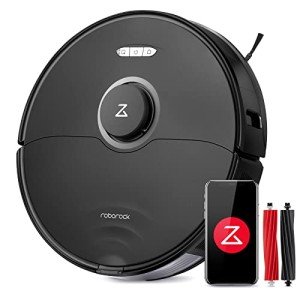
This article intends to debunk the procedure of purchasing a cleaning robot, providing a thorough guide to assist you navigate the various options and make an educated decision that best suits your needs and home environment. Whether you’re a hectic expert, a pet owner, or simply somebody who values a tidy home without the effort, understanding the crucial elements involved in choosing a cleaning robot is essential.
Understanding the Landscape: Types of Cleaning Robots
Before diving into specific functions and factors to consider, it’s necessary to understand the various kinds of cleaning robots available. Each type is created for specific cleaning jobs, and knowing their distinctions will narrow down your alternatives.
-
Robot Vacuum Cleaners: These are the most common kind of cleaning robot, designed mainly for vacuuming floors. They come in different shapes, sizes, and with a variety of functions, from standard designs focused on basic dust and debris elimination to innovative variations equipped with mapping technology, voice control, and self-emptying bins. Robot vacuums are efficient on numerous floor types including hardwood, tile, and carpet, though their performance can vary depending upon carpet thickness and stack height.
-
Robot Mop Cleaners: Dedicated mopping robots focus exclusively on cleaning difficult floors utilizing water and cleaning options. They usually utilize moist or wet fabrics or pads to scrub and wipe floors, eliminating spots and spills. Some designs feature oscillating or vibrating mopping heads for improved cleaning action, while others are created for lighter, maintenance mopping. Robot mops are ideal for kitchen areas, restrooms, and other locations with tough floor covering.
-
Combination Robot Robotic vacuum device and Mops: These versatile robots try to offer the very best of both worlds by integrating vacuuming and mopping performances in a single device. Often, they vacuum initially and after that mop, or they may vacuum and mop concurrently. While offering benefit, it’s essential to note that mix robotics may not perform either job as comprehensively as devoted vacuum or mop robots. Consider your main cleaning requirement when examining combination designs.
-
Pool Cleaning Robots (Brief Mention): While not straight associated to indoor home cleaning, swimming pool cleaning robots deserve a brief reference as another category of automated cleaning devices. These robotics are designed particularly for cleaning pool, scrubbing walls and floors and vacuuming particles from the water. If you have a pool, this is a separate category worth exploring, but it’s distinct from the robots intended for indoor floor cleaning.
Key Considerations When Choosing Your Cleaning Robot
As soon as you comprehend the kinds of cleaning robotics, the next step is to consider the factors that will determine the very best choice for your specific circumstance.
-
Cleaning Performance & & Features
- : Suction Power (Vacuum Robots): For vacuum robotics, suction power is a vital aspect, particularly if you have carpets or animals. Greater suction power is normally needed to efficiently lift dirt and debris from carpets and pet hair. Search for requirements like Pascal (Pa) ratings, though real-world performance can vary, so reading evaluations is useful.
- Brush System (Vacuum Robots): The type and design of the brush roll also impact cleaning efficiency. Some robots have single brush rolls, while others feature dual brushes or a mix of brush types to deal with various floor surfaces and debris. Consider if the brushes are designed to decrease hair entanglement, specifically if you have family pets.
- Mopping System (Mop Robots & & Combination Robots): For mopping robots, think about the mopping method. Some utilize basic moist fabrics, while others have vibrating or oscillating pads for more efficient scrubbing. Water tank capability and the ability to control water output are likewise crucial elements. For mix robots, evaluate how efficiently they transition between vacuuming and mopping modes.
- Navigation & & Mapping: More innovative robotics include advanced navigation systems. Mapping innovation enables robots to create a virtual map of your home, allowing them to clean up more efficiently, follow specific cleaning courses, and even allow you to designate no-go zones. Sensors help robotics prevent challenges and prevent falls from stairs. Standard robots might rely on bump-and-go navigation, which can be less efficient and possibly miss out on locations.
- Cleaning Modes & & Customization: Look for robots that offer different cleaning modes, such as spot cleaning, edge cleaning, and zone cleaning. App control and scheduling features enable personalized cleaning routines and remote operation, including to the convenience element.
-
Your Home Environment:
- Floor Type: Consider the predominant floor enters your home. Hardwood, tile, laminate, and carpet all need different cleaning techniques. Ensure the robot you pick appropriates for the majority of your floor covering. Some robotics are much better matched for difficult floorings, while others excel on carpets.
- Home Size & & Layout: The size of your home and its design will influence battery life and navigation needs. Bigger homes may require robots with longer battery life or the capability to recharge and resume cleaning. Complex layouts with multiple rooms and challenges benefit from robotics with advanced mapping and navigation.
- Obstacles & & Furniture: Consider the amount and type of furniture in your home. Robotics require to navigate around furniture legs, under sofas, and avoid cables and small things. Inspect the robot’s clearance height to guarantee it can fit under your furnishings. Cable management and tidying up mess can considerably improve robot effectiveness.
- Pet Hair & & Allergies: If you have pets, pet hair cleaning capability is an important consideration. Search for robots particularly created for pet hair elimination, often including more powerful suction, tangle-free brush rolls, and HEPA filters to trap allergens and pet dander.
-
Characteristic & & Functionality:
- App Control & & Smart Home Integration: Many contemporary cleaning robots include smartphone apps that allow you to manage the robot from another location, schedule cleaning sessions, display cleaning progress, and change settings. Some robotics likewise integrate with smart home ecosystems like Alexa or Google Assistant for voice control.
- Battery Life & & Charging: Battery life dictates for how long a robot can clean on a single charge. Think about the battery life in relation to the size of your home. Automatic recharging and resume cleaning functions are important for bigger areas, allowing the robot to return to its charging dock and continue cleaning where it ended.
- Self-Emptying Bins (Vacuum Robots): Some high-end vacuum robotics include self-emptying bins. These robotics automatically move gathered dirt and debris into a bigger bin situated in the charging dock, decreasing the frequency of manual emptying.
- Border Setting/No-Go Zones: The ability to set virtual borders or no-go zones is beneficial for avoiding robotics from entering particular areas, like fragile carpets, pet feeding stations, or kids’s play areas. This can be achieved through app control, magnetic strips, or physical border markers.
- Sound Level: Cleaning robots create noise during operation, though sound levels differ between models. If noise level of sensitivity is a concern, examine the decibel (dB) ranking of the robot. Some robotics offer quieter cleaning modes.
- Upkeep & & Durability: Consider the ease of maintenance, such as clearing the dustbin, cleaning brushes, and changing filters. Read reviews to determine the robot’s reliability and resilience. Inspect the guarantee provided by the manufacturer.
-
Spending plan & & Price:
- Cleaning robotics vary considerably in cost, from affordable basic designs to high-end robots with advanced features. Determine your budget plan and prioritize the functions that are essential to you within that variety. Keep in mind that a greater cost does not constantly ensure remarkable cleaning performance; think about value for cash and functions pertinent to your requirements.
-
Brand Reputation & & Customer Support:
- Choosing a trusted brand name frequently provides assurance of quality, reliability, and much better consumer support. Research different brand names and check out consumer evaluations to comprehend user experiences and prospective concerns. Check service warranty terms and the accessibility of customer care and spare parts.
Selecting the Right Robot: A Step-by-Step Approach
To successfully pick the best cleaning robot for your needs, follow these actions:
- Assess Your Cleaning Needs: Determine your primary cleaning priorities. Do you require mainly vacuuming, mopping, or both? Consider your floor types, pet circumstance, and the size and complexity of your home.
- Set a Budget: Determine how much you are willing to invest on a cleaning robot. This will help narrow down your choices.
- Determine Key Features: Based on your requirements and budget plan, determine the essential features and nice-to-have features. Focus on functions that directly resolve your cleaning obstacles.
- Research and Compare Models: Read online reviews, compare specifications, and watch video evaluations of various models that fit your requirements. Focus on credible brand names and designs known for dependability and performance.
- Think About Long-Term Costs: Factor in prospective replacement parts, filter expenses, and battery life expectancy when considering the overall expense of ownership.
- Check Out Customer Reviews: Pay attention to client reviews to get real-world insights into the robot’s efficiency, dependability, and any potential issues.
- Check Warranty and Support: Understand the service warranty provided by the maker and the schedule of consumer support must you experience any issues.
Tips for Getting the Most Out of Your Cleaning Robot
When you’ve purchased your cleaning robot, follow these suggestions to make sure optimum efficiency and durability:
- Prepare Your Home: Before running your robot, declutter floorings, pick up loose cable televisions, and eliminate little items that may block its course or get tangled in brushes.
- Routine Maintenance: Empty the dustbin or water tank regularly. Clean brushes, filters, and sensors as recommended by the manufacturer. This makes sure optimum cleaning performance and extends the robot’s lifespan.
- Follow Scheduling Recommendations: If your robot has scheduling features, set up a cleaning schedule that lines up with your requirements and guarantees your home is cleaned up frequently.
- Observe Initial Cleaning Cycles: During the first few cleaning cycles, observe the robot’s efficiency and identify any locations where it might have a hard time or get stuck. Adjust furniture plan or usage border markers to improve cleaning performance.
- Keep Software Updated: If your robot has software updates, guarantee you install them to gain from efficiency improvements, brand-new features, and bug repairs.
Conclusion
Investing in a cleaning robot can be a substantial action towards simplifying your household chores and reclaiming valuable time. By comprehending the various kinds of cleaning robots, thoroughly considering your needs and home environment, and following the guidelines outlined in this article, you can confidently pick a cleaning robot that will successfully automate your floor cleaning and contribute to a cleaner and more comfy home. Welcome the convenience and liberty that these intelligent devices provide, and take pleasure in a life with less cleaning and more leisure.
Frequently Asked Questions (FAQs) About Buying Cleaning Robots
Q1: Are cleaning robots as reliable as standard vacuum cleaners and mops?
- Cleaning robots are typically effective for routine upkeep cleaning, keeping dust and particles at bay. For deep cleaning or taking on heavy spills, traditional vacuum cleaners and mops may still be necessary. However, for everyday upkeep and maximizing your time, cleaning robots are highly helpful.
Q2: How long do cleaning robot batteries last, and for how long does it require to charge?
- Battery life varies depending upon the design and cleaning mode, generally ranging from 60 to 120 minutes. Charging time can also vary, usually taking 2-4 hours for a complete charge. Many robots feature automatic charging, returning to the dock when battery is low.
Q3: Are cleaning robotics loud?
- Cleaning robotics do produce sound, however usually less than conventional vacuum. Noise levels vary from around 55 to 70 decibels, depending upon the model and suction power. Quieter models and quiet cleaning modes are readily available.
Q4: How much maintenance do cleaning robotics require?
- Upkeep is relatively basic and consists of routinely clearing the dustbin or water tank, cleaning brushes and filters, and sometimes wiping sensors. The frequency of maintenance depends upon use and pet ownership.
Q5: What is the typical lifespan of a cleaning robot?
- With appropriate care and upkeep, an excellent quality cleaning robot can last for 3-5 years, or even longer. Battery life is often the very first component to degrade and may need replacement after a couple of years.
Q6: Are cleaning robots ideal for pet owners?
- Yes, many cleaning robotics are particularly created for pet owners, featuring strong suction, tangle-free brushes, and HEPA filters to handle pet hair and dander successfully. Try to find models marketed as “pet-friendly.”
Q7: Can cleaning robotics damage furniture or walls?

- A lot of cleaning robotics are equipped with sensors to find barriers and avoid accidents. Nevertheless, it’s still suggested to declutter and manage cable televisions to reduce prospective bumps and scratches. Establishing no-go zones can safeguard delicate furniture or areas.
Q8: Are cleaning robotics worth the investment?
- For many individuals, specifically those with hectic way of lives, family pets, or movement concerns, cleaning robotics are a beneficial investment. They conserve effort and time on cleaning, adding to a cleaner home and increased convenience. Consider your private needs and budget plan to determine if the advantages exceed the cost.


