
best-cooker-hood6676
best-cooker-hood6676
Guide To Extractor Fan Hood: The Intermediate Guide In Extractor Fan Hood
The Essential Guide to Extractor Fan Hoods
In Modern Kitchen Extractor Fan kitchens, preserving a tidy and breathable environment is necessary for both cooking pleasure and overall hygiene. An extractor fan hood, likewise known as a range hood or kitchen hood, plays a critical role in ensuring the kitchen remains devoid of unwanted smoke, odors, and grease. This detailed guide will explore the significance of extractor fan hoods, their working mechanisms, types, benefits, installation pointers, upkeep information, and answers to regularly asked concerns.
What is an Extractor Fan Hood?
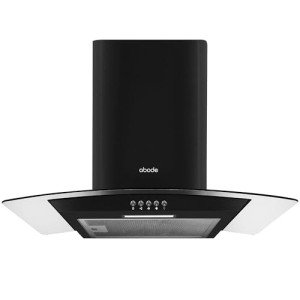
An extractor fan hood is an aerating gadget set up above the cooking range or stove to remove airborne grease, smoke, heat, and smells. It operates by drawing air upward and after that straining impurities, expelling either outside or recirculating the tidy air back into the kitchen.
Table 1: Functions of an Extractor Fan Hood
| Function | Description |
|---|---|
| Air Filtration | Eliminates smoke, smells, and airborne particulates |
| Heat Removal | Decreases excess heat produced during cooking |
| Improved Air Quality | Enhances indoor air quality in the kitchen |
| Lighting | Often consists of built-in lighting for better presence |
Kinds Of Extractor Fan Hoods
Extractor fan hoods come in numerous designs and functionalities, guaranteeing that there is one to satisfy every kitchen’s needs.
Table 2: Types of Extractor Fan Hoods
| Type | Description |
|---|---|
| Wall-Mounted | Installed on the wall above the range; popular in modern kitchens. |
| Under-Cabinet | Installed below kitchen cabinets for a structured look. |
| Island | Suspended from the ceiling, suitable for open kitchens with an island. |
| Downdraft | Constructed into the counter and rises when needed; conserves space. |
| Portable | Standalone systems that can be moved as needed; perfect for small kitchens. |
Advantages of Using an Extractor Fan Hood
-
Improved Air Quality: By eliminating smoke and odors, extractor fan hoods add to a healthier cooking environment.
-
Odor Control: They avoid lingering cooking smells from spreading out throughout the home.
-
Lowered Heat: Extractor fan hoods can help in reducing excess heat, making cooking more comfortable, especially in warmer months.
-
Grease Prevention: They catch oily particles from cooking, reducing build-up on walls and cabinets.
-
Enhanced Kitchen Aesthetics: A trendy hood can function as a centerpiece, raising the general kitchen design.
Table 3: Key Benefits of Extractor Fan Hoods
| Benefit | Description |
|---|---|
| Health | Decreases germs and airborne contaminants |
| Comfort | Decreases heat, making cooking more enjoyable |
| Visual Appeal | Contributes to the kitchen’s visual appeal |
| Effectiveness | Enhances the general performance of the kitchen |
How to Choose the Right Extractor Fan Hood
When choosing an extractor fan hood, consider the following elements:
- Size: Ensure the hood is the right size for Cooking Hood your cooking range. As a guideline of thumb, the hood must be at least as broad as the cooking surface.
- Power: Look for a design with enough airflow (measured in CFM – cubic feet per minute) for your cooking habits. For high-heat cooking, go for greater CFM.
- Duct Type: Decide in between ducted and ductless models based upon your kitchen layout and regional ventilation alternatives.
- Noise Level: Some designs are quieter than others; examine the sone ranking (an unit of volume) to find a model that will not interrupt your cooking environment.
Installation Tips
- Area: Install the hood 30-36 inches above the cooking range for optimum efficiency.
- Ducting: If using ducted ventilation, ensure proper duct size and length for Chimney Cooker Hood hood extractor fans (gitlab.projcont.red-m.net) efficient airflow.
- Electrical Work: Engage a certified electrical expert for power connection to avoid safety threats.
Upkeep of Extractor Fan Hoods
Routine maintenance is vital to make sure the longevity and efficiency of an extractor fan hood.
List: Maintenance Tips
- Clean Filters Regularly: Metal filters need to be cleaned on a monthly basis, while charcoal filters (in ductless hoods) might need replacement around every 6 months.
- Clean Down Exterior Surfaces: Regularly tidy the exterior of the hood to keep it looking brand-new.
- Check for Oil Build-Up: Inspect and get rid of any grease buildup to prevent decreased efficiency.
Frequently Asked Questions (FAQs)
1. How often should I run my extractor fan hood?
It is advisable to run the extractor fan hood while cooking and for a couple of minutes after cooking to remove any remaining heat and odors.
2. Can I set up an Cooker Extractor Hoods fan hood myself?
While some homeowners might choose to set up a hood themselves, it is advised to hire a professional, particularly if ducting or electrical work is involved.
3. What type of filter is best for my hood?
It depends on whether your hood is ducted or ductless. Ducted hoods utilize metal filters, while ductless models need charcoal filters to eliminate odors.
4. How do I know what size extractor fan hood to buy?
Step your cooking range, and pick a hood that is at least the very same width or slightly larger. Don’t forget to element in the height from the range to the hood.
5. What is the average lifespan of an extractor fan hood?
With proper upkeep, most extractors can last anywhere from 10 to 15 years.
Executing an extractor fan hood in the kitchen is an integral part of keeping a healthy and satisfying cooking environment. By ending up being knowledgeable about the different kinds of hoods offered, the advantages they offer, and how to pick and keep them, property owners can make educated choices to boost their cooking areas. Whether lowering cooking smells, managing heat, or merely enhancing air quality, an extractor fan hood is unquestionably an important kitchen device.


