
powertool-set1770
powertool-set1770
What’s The Current Job Market For Build Your Own Tool Kit Professionals Like?
Build Your Own Tool Kit: A Comprehensive Guide
Structure your own tool kit is an important venture for any DIY lover, homeowner, or enthusiast. Having a well-organized and comprehensive tool kit not only allows you to deal with various jobs efficiently however also conserves you money and time in the long run. This guide will check out how to build your own tool kit, what tools to consist of, and answer some regularly asked concerns.
Why Build Your Own Tool Kit?
Producing your own Electric Tool Set kit provides a number of advantages:
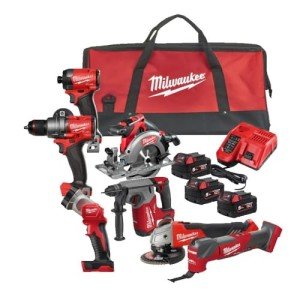
- Personalization: You can tailor your toolkit to fulfill your specific requirements and jobs.
- Quality assurance: You can choose the tools based upon personal preference for quality and resilience.
- Cost Effectiveness: You can prevent purchasing unneeded tools and focus on what you require.
- Learning Experience: Building your own toolkit is an academic experience that improves your understanding of your tools.
Important Tools for Your Tool Kit
Creating a tool kit can appear daunting, specifically with the variety of tools available. Below is a categorized list of necessary tools, from hand tools to Power Tool Kits For Sale tools, to help you get started:
| Category | Tools | Function |
|---|---|---|
| Hand Tools | Screwdrivers (various sizes) | Tightening and loosening screws |
| Hammers (claw and rubber) | Driving and eliminating nails | |
| Pliers (needle-nose, slip-joint) | Gripping, twisting, and cutting | |
| Wrenches (adjustable and socket) | Tightening or loosening bolts | |
| Tape Measure | Measuring length | |
| Cutting Tools | Utility Knife | Cutting numerous products |
| Handsaw | Cutting wood | |
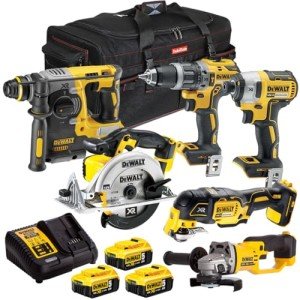
| Power Tool Sets Tools | Cordless Drill | Drilling holes and driving screws |
| Circular Saw | Cutting large sheets of material | |
| Fasteners | Nails, Screws, and Anchors | Protecting materials |
| Wood Glue | Bonding wood pieces together | |
| Security Gear | Shatterproof glass | Safeguarding eyes |
| Work Gloves | Protecting hands | |
| Ear Protection | Minimizing noise exposure | |
| Organizational | Tool Box or Bag | Keeping tools organized |
| Identifying Supplies | Easy recognition of tools |
Producing Your Tool Kit: Step-by-Step
-
Determine Your Needs: Determine what tasks you plan to undertake. Different projects require different tools. For example, if you’re mainly dealing with wood, concentrate on wood-cutting tools.
-
Spending plan Planning: Decide how much you want to spend on your tools. Investing in quality tools is important, as they can last a lifetime.
-
Purchase Tools Gradually: Start with the most vital tools and gradually add more specific tools as needed.
-
Company: Invest in a sturdy toolbox or organizer. Keep often utilized tools easily accessible while storing others safely.
-
Maintenance: Regularly tidy and maintain your tools to prolong their life-span and ensure they carry out well.
Benefits of Different Tool Types
| Tool Type | Advantages | Drawbacks |
|---|---|---|
| Hand Tools | No need for electricity, portable, precise | Can be labor-intensive |
| Power Tool Set Tools | Save time and effort, increase accuracy | Requires electrical energy, heavier |
| Cutting Tools | Flexible and effective for numerous products | Requires proper handling and upkeep |
FREQUENTLY ASKED QUESTION: Building Your Own Tool Kit
1. What is the minimum variety of tools I require to start with?
A fundamental toolkit can begin with simply 5-10 important hand tools (e.g., a hammer, screwdrivers, pliers, a tape measure, and an utility knife) depending upon your needs.
2. How do I pick the right tools?
Consider the kinds of projects you will undertake. Research study the tools utilized for those projects and examine the quality and brand name dependability.
3. Should I buy new or utilized tools?
Both choices have merit. New tools typically include warranties, while utilized tools can be more cost-effective. Guarantee utilized tools remain in good condition and working well.
4. How should I preserve my tools?
Keep them clean, save them effectively, and check regularly for any required repairs or replacements. Oiling and honing cutting tools will likewise enhance their performance.
5. Can I develop a tool kit on a spending plan?
Yes! Search for economical tools, shop during sales, or think about pre-owned alternatives. Prioritize the most required tools first.
Last Thoughts
Building your own tool kit is not only a useful financial investment however likewise a satisfying experience that improves your abilities. It allows people to take on jobs with confidence and efficiency. By thoroughly picking a mix of hand tools, powered tools, cutting tools, safety gear, and organizational products, anybody can create a personalized tool kit that fulfills their distinct needs.
With a well-rounded tool kit in hand, individuals can unlock their imagination and see their ideas come to life, job by job. Delighted structure!


