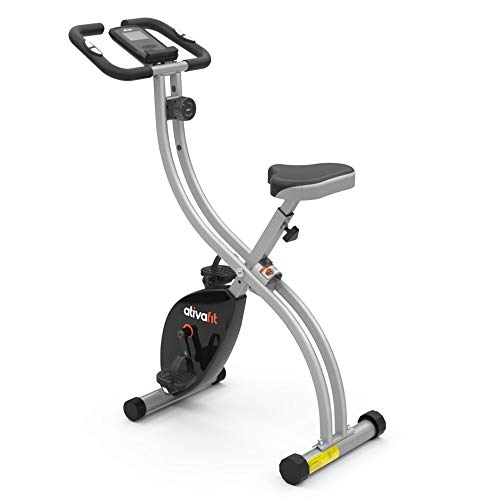
stationary-bike-exercise5754
stationary-bike-exercise5754
Take A Look At The Steve Jobs Of The Stationary Bike Industry
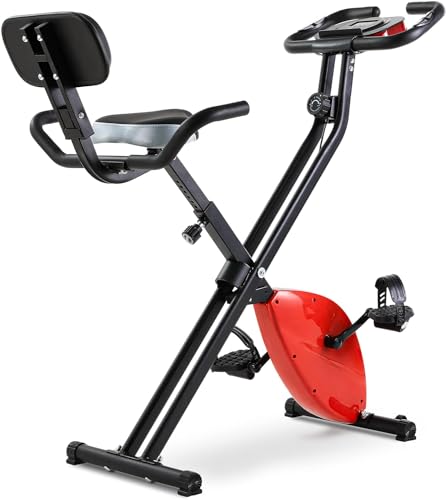
Understanding Stationary Bikes: A Comprehensive Guide
In the modern world, where fitness is becoming increasingly integrated into our everyday routines, stationary bicycles have become a flexible choice for cardiovascular training. This short article explores the various types of stationary bicycles, their benefits, features to consider when acquiring one, and how to incorporate them into your fitness regimen.
Table of Contents
- Types of Stationary Bikes
- Benefits of Using a Stationary Bike
- Features to Consider When Buying a Stationary Bike
- Tips for Effective Cycling Workouts
- Frequently Asked Questions (FAQs)
1. Types of Stationary Bikes
There are numerous types of stationary bicycles available on the marketplace, each designed to cater to various fitness levels and choices. Below is a summary of the main types:
| Type | Description | Perfect For |
|---|---|---|
| Upright Bike | Functions a traditional bike design. The rider sits upright. | People seeking a practical biking experience. |
| Recumbent Bike | Offers a reclined seating position with a bigger seat and back assistance. | Those with back issues or those seeking convenience during exercises. |
| Spin Bike | Comparable to an upright bike however developed for high-intensity training. | Fitness enthusiasts and those wishing to simulate outside biking. |
| Dual Action Bike | Includes handlebars that move, offering an upper body workout too. | Individuals looking for a full-body exercise bike in home. |
2. Benefits of Using a Stationary Bike
Using a stationary bike for home exercise equipment uses various advantages for physical health and overall well-being. Some of the key benefits consist of:
- Cardiovascular Fitness: Regular cycling strengthens the heart, enhances circulation, and enhances aerobic capacity.
- Weight Management: Stationary biking helps burn calories and maintain a healthy weight.
- Joint-Friendly: Cycling is a low-impact exercise, making it suitable for people with joint discomfort or injuries.
- Convenience: A stationary bike can be utilized indoors, permitting exercises despite weather conditions.
- Personalization: Most stationary bikes use adjustable resistance levels, accommodating various fitness levels.
3. Features to Consider When Buying a Stationary Bike
When selecting a stationary bicycle, think about the following functions to guarantee you pick the model that best matches your needs:
- Comfort: Look for a bike with an adjustable seat and handlebars to accommodate your body size.
- Resistance Levels: Check if the bike uses adjustable resistance to challenge your workouts.
- Display Monitor: An excellent screen screen reveals vital metrics such as time, distance, speed, and calories burned.
- Mobility: If space is limited, consider a bike with transportation wheels for simple motion.
- Guarantee: Look for a bike with a thorough warranty to protect your investment.
Comparison Table of Key Features
| Feature | Upright Bike | Recumbent Bike | Spin Bike | Double Action Bike |
|---|---|---|---|---|
| Comfort | Moderate | High | Moderate | Moderate |
| Resistance Levels | Adjustable | Adjustable | Adjustable | Adjustable |
| Monitoring Display | Standard | Advanced | Fundamental | Advanced |
| Space Requirement | Low | Moderate | Moderate | Moderate |
| Price Range | ₤ 200 – ₤ 700 | ₤ 300 – ₤ 800 | ₤ 300 – ₤ 900 | ₤ 400 – ₤ 900 |
4. Tips for Effective Cycling Workouts
To optimize your stationary Bicycle home exercise workouts, think about the following suggestions:
- Warm Up: Start with a 5-10 minute warm-up at a low resistance level before increasing intensity.
- Stay Hydrated: Keep a water bottle neighboring and take sips throughout your workout.
- Vary Your Workouts: Incorporate interval training by alternating in between high-intensity bursts and healing durations.
- Listen to Music or Watch Television: Engaging your mind can help make workouts more pleasurable and distracting.
- Track Your Progress: Keep a log of your exercises and note improvements in time to stay motivated.
5. Regularly Asked Questions (FAQs)
1. The length of time should I use a stationary bicycle for reliable workouts?
For optimum outcomes, goal for 150 minutes of moderate aerobic activity weekly, which can be divided into 30-minute sessions 5 times a week.
2. Are stationary bikes ideal for novices?
Yes, stationary bicycles are perfect for newbies due to their adjustable resistance and low-impact nature, making them easy to use at any fitness level.
3. Can stationary cycling aid with weight loss?
Absolutely! Routine usage of a stationary bicycle for exercise at home, integrated with a well balanced diet plan, can substantially contribute to weight-loss efforts by burning calories.
4. What should I use when using a stationary bicycle?
Wear comfortable, moisture-wicking clothes and helpful athletic shoes to guarantee an enjoyable mini cycle exercise bike experience.
5. Is it much better to use a stationary bicycle or a treadmill for cardio?
It depends on personal choice and fitness goals. Stationary bicycles are lower impact and easier on the joints, whereas treadmills can provide weight-bearing workouts that might reinforce bone health.
Stationary bicycles are a wonderful method to include cardiovascular exercise into everyday routines. With different types readily available, along with special benefits and functions, picking the ideal bike can enhance fitness levels and enhance general wellness. By comprehending the functionality of these machines and incorporating them into routine exercises, individuals can cultivate a healthier way of life with each pedal stroke.