
exercise-machine1021
exercise-machine1021
10 Exercise Bike-Related Projects To Stretch Your Creativity
The Comprehensive Guide to Exercise Bikes: Benefits, Types, and Best Practices
Stationary bicycle have actually permeated the fitness market, working as efficient tools for cardiovascular workouts, rehab, and weight management. With their ability to reproduce outdoor cycling experiences while supplying a controlled environment, exercise bikes deal with users of all fitness levels. This post looks into the various types of stationary bicycle, their advantages, and the very best practices to maximize your workout session.
Advantages of Using an Exercise Bike
-
Cardiovascular Health: Regular use of a stationary bicycle considerably enhances cardiovascular fitness. It increases heart rate and blood flow, promoting much healthier lungs and heart.
-
Low Impact on Joints: Exercise bikes offer a low-impact workout choice. Unlike running or jogging, biking minimizes stress on the knees, hips, and back, making it suitable for individuals with joint discomfort or those recuperating from injuries.
-
Calorie Burn: A vigorous biking session can burn a substantial number of calories, helping in weight loss and management. For circumstances, a 155-pound individual can burn approximately 260 calories in 30 minutes of energetic biking.

-
Muscle Strengthening: While mostly a cardiovascular workout, biking likewise strengthens and tones the muscles in the legs, glutes, and core. Changing the resistance can even more challenge the muscles.
-
Convenience: Exercise bikes use unmatched benefit. Users can exercise cycle For sale in the comfort of their own homes, making it easier to maintain a consistent fitness regimen.
-
Versatile Workouts: With stationary bicycle, users can participate in various exercise styles, from high-intensity period training (HIIT) to steady-state cardio, catering to divergent fitness objectives.
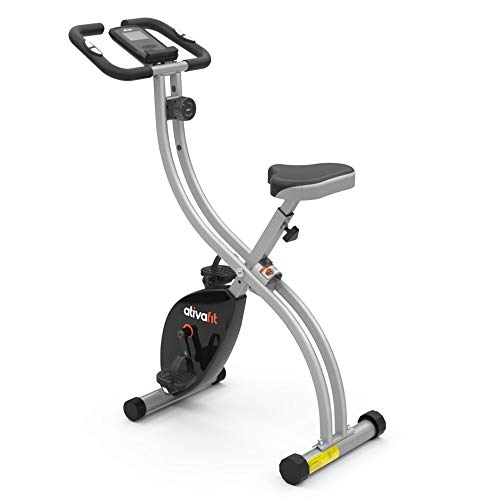
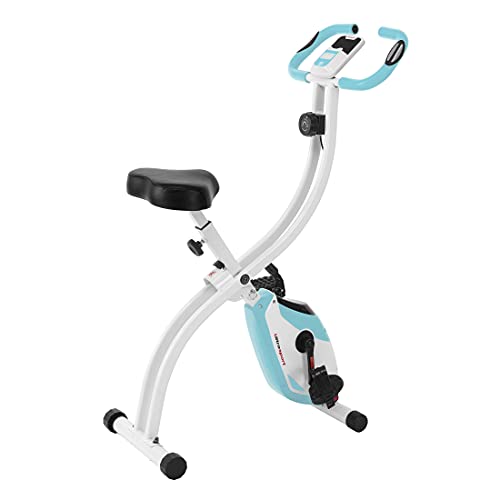
Types of Exercise Bikes
Understanding the different types of exercise bikes on the market helps prospective buyers make notified decisions based on their fitness needs and spending plan.
| Type of Exercise Bike | Description | Suitable For |
|---|---|---|
| Upright Bike | Similar to traditional bikes, these bikes offer a standard biking posture. | General fitness lovers |
| Recumbent Bike | Offers a reclined position with a bigger seat. | Individuals with back issues |
| Spin Bike | Developed for high-intensity cycling classes; normally equipped with a flywheel for resistance. | Fitness class individuals |
| Air Bike | Integrates limb exercises; includes a fan for cooling and increased resistance. | Athletes and HIIT lovers |
| Foldable Bike | Compact and space-efficient; quickly stored when not in usage. | People with minimal space |
Table: Pros and Cons of Different Types of Exercise Bikes
| Kind Of Exercise Bike | Pros | Cons |
|---|---|---|
| Upright Bike | Compact, budget-friendly, flexible | Less comfy for long trips |
| Recumbent Bike | Comfortable, lower back assistance | Takes up more space |
| Spin Bike | Exceptional for high-intensity workouts | Can be more expensive |
| Air Bike | Full-body workout, adjustable resistance | Can be noisy |
| Foldable Bike | Space-saving, easy to save | May do not have resilience |
Best Practices for Using an Exercise Bike
To optimize the advantages of exercising with a bike, users should follow specific standards:
-
Proper Setup: Ensure that the seat height and handlebar position are correctly gotten used to fit your body. An incorrect fit can lead to injury and pain.
-
Warm-Up: Always take 5-10 minutes to heat up before diving into a workout. This assists to prepare your muscles and joints for the activity.
-
Stay Hydrated: Keep a water bottle nearby. Hydration is key to preserving stamina and efficiency during the exercise.
-
Maintain Correct Posture: Keep your back directly and core engaged while biking. Avoid leaning too far forward or slumping as it can cause pressure.
-
Blend Workouts: Variety is essential for preventing plateaus and keeping workouts amazing. Alternate in between steady-state sessions and interval training.
-
Listen to Your Body: Always take notice of how your body feels throughout and after exercises. Adjust intensity levels as needed to avoid overexertion.
Frequently Asked Questions (FAQs)
Q1: How often should I use a stationary bicycle to see outcomes?A1: For optimum outcomes, go for at least 150 minutes of moderate-intensity cardio or 75 minutes of high-intensity cardio per week.
Q2: Can anybody utilize a stationary bicycle?A2: Yes, exercise bikes are appropriate for all fitness levels. However, people with specific health issues should seek advice from a doctor or fitness professional before beginning a brand-new exercise routine.
Q3: What is the distinction between a recumbent bike and an upright bike?A3: Recumbent bikes provide a reclined seating position, providing back assistance and comfort, while upright bikes imitate the posture of conventional cycling, engaging the core more intensely.
Q4: How do I preserve my stationary bicycle?A4: Regularly examine and clean the bike, check for loose screws, and take note of the resistance mechanism. Regular upkeep extends the life-span of the equipment.
Q5: What are some ideas for selecting the best exercise bike?A5: Consider factors like your fitness goals, available space, budget, and personal comfort. Test trip various models to find the best fit for you.
Stationary bicycle stay a popular choice for home health clubs and gym alike, providing a myriad of advantages customized to users’ private fitness goals. Comprehending the numerous types, benefits, and best practices can help users make informed choices and enhance their biking workouts. Whether one seeks to improve cardiovascular health, construct strength, or lose weight, integrating routine sessions on an exercise bike can yield long lasting favorable effects on general wellness.


