oven-and-hob3359
oven-and-hob3359
Why Hob And Oven Could Be More Dangerous Than You Thought
Understanding Hobs and Ovens: The Essential Kitchen Appliances
In the realm of kitchen devices, couple of items are as important as hobs and ovens. These devices form the foundation of culinary activities, making it possible for individuals to produce whatever from simple meals to elaborate feasts. Comprehending the differences, types, and functionalities of hobs and ovens can significantly improve one’s cooking experience. This short article delves into the intricacies of hobs and ovens, supplying insights that accommodate both novice and seasoned cooks.
What Is a Hob?
A hob, typically referred to as a cooktop or range top, is the flat surface area on which pots and pans are positioned for cooking. Hobs are geared up with heating elements that create the required heat for cooking food. They are available in different kinds, consisting of gas, electric, induction, and ceramic alternatives. Each type provides unique advantages and disadvantages.
Types of Hobs
-
Gas Hobs:
- Heat Source: Natural gas or propane.
- Advantages: Instant heat control and responsiveness, preferred by many chefs for accurate cooking.
- Disadvantages: Requires a gas connection and can be less energy-efficient.
-
Electric Hobs:
- Heat Source: Electric coils or smooth glass-ceramic surfaces.
- Advantages: Generally simpler to clean, even heating, and widely offered.
- Drawbacks: Slower to warm up and cool down compared to gas.
-
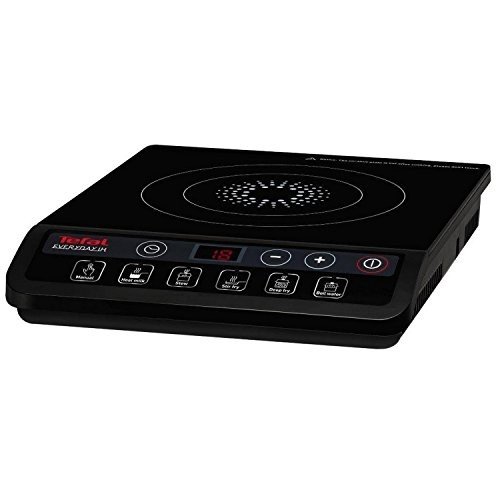
Induction Hobs:
- Heat Source: Electromagnetic currents.
- Benefits: Quick heating, energy-efficient, and only warms the pots and pans, not the surrounding surface area.
- Downsides: Requires compatible cookware (ferrous materials).
-
Ceramic Hobs:
- Heat Source: Electric and has a smooth glass surface.
- Advantages: Sleek look, simple to tidy, and even heating.
- Disadvantages: Can take longer to heat up and cool down.
What Is an Oven?
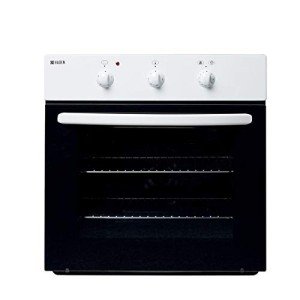
An buying oven is an enclosed home appliance that cooks food by surrounding it with dry heat. Ovens can be standalone systems or combined with hobs in a single appliance referred to as a variety. Ovens are versatile tools that can be used for baking, roasting, broiling, and more.
Types of Ovens
-
Traditional Ovens:
- Heat Source: Electric or gas.
- Advantages: Good for traditional baking and roasting.
- Downsides: Can have unequal heat circulation.
-
Convection Ovens:
- Heat Source: Electric or gas with a fan for flowing air.
- Benefits: More even cooking and quicker cooking times due to air flow.
- Disadvantages: Can be costlier and may need modifications in cooking times.
-
Microwave Ovens:
- Heat Source: Microwaves.
- Benefits: Quick cooking and reheating; fantastic for defrosting.
- Disadvantages: Can not brown or crisp food well.
-
Steam Ovens:
- Heat Source: Steam generation.
- Advantages: Retains nutrients and moisture in food, much healthier cooking alternative.
- Disadvantages: Longer cooking times and usually greater cost.
Secret Differences Between Hobs and Ovens
While hobs and ovens serve the primary function of cooking food, their performances and utilizes vary significantly. The following table summarizes these key distinctions:
| Feature | hob and ovens | cheap oven and hob |
|---|---|---|
| Cooking Method | Direct heat | Confined heat |
| Main Use | Boiling, sautéing, frying | Baking, roasting |
| Heat Source | Gas, electric, induction | Gas, electric, steam |
| Cooking Area | Flat surface area | Enclosed area |
| Cooking Time | Generally quicker | Varies based upon dish |
| Control & & Precision | Immediate and direct | Relies on settings and timers |
Benefits of Using Hobs and Ovens Together
Integrating using a hob and an oven can considerably boost the cooking process. Here are some advantages:
- Versatility: Different kinds of food can be prepared concurrently.
- Efficiency: Using both permits for various cooking strategies, such as searing on the hob and baking in the cheap oven and hob.
- Time-Saving: Multi-tasking can considerably lower overall cooking time.
Maintenance and Care
To make sure the durability of hobs and ovens, routine maintenance is important. Here are some ideas:
For Hobs:
- Clean spills right away to prevent staining.
- Usage appropriate cleaners for particular products (e.g., ceramic cleaner for glass-ceramic hobs).
- Routinely inspect gas connections for leaks (for gas hobs).
For Ovens:
- Wipe down the interior after each use to prevent build-up.
- Usage self-cleaning features if available, or apply oven cleaners for tough stains.
- Frequently examine seals and gaskets for wear and tear (to maintain heat effectiveness).
Frequently asked questions About Hobs and Ovens
1. What is the best type of hob for a newbie cook?
Response: A ceramic or electric hob is often advised for newbies due to alleviate of use and cleansing.
2. Can I use any pots and pans on an induction hob?
Answer: No, induction hobs need cookware made from magnetic products (e.g., cast iron or stainless steel).
3. How frequently should I clean my oven?
Response: It is recommended to clean your oven every few months, or more often if you utilize it frequently.
4. Is it much better to bake in a stove?
Answer: Yes, convection ovens are typically much better for baking as they provide even heat circulation. Nevertheless, some fragile dishes might benefit from conventional ovens.
Understanding the performance and distinctions between hobs and ovens is necessary for any cooking enthusiast. Whether one chooses the immediate heat of a gas hob or the accuracy of an induction cooktop, each type offers unique advantages. Likewise, ovens vary extensively in function, from traditional baking to steam cooking. By appreciating these devices’ roles in cooking, cooks can improve their culinary skills and enhance their kitchen activities.