
locksmith-services8235
locksmith-services8235
The Companies That Are The Least Well-Known To Watch In Conservatory Water Damage Industry
Navigating the Challenges of Conservatory Water Damage
Conservatories, with their mix of natural light and indoor-outdoor living, are a cherished addition to many homes. However, these glass-enclosed areas are not immune to the obstacles positioned by water damage. From dripping roofs to condensation issues, conservatory water damage can lead to substantial structural and aesthetic problems if not addressed quickly. This post looks into the causes, effects, and solutions for conservatory water damage, supplying property owners with the understanding they require to preserve the stability and appeal of their conservatories.
Comprehending the Causes of Conservatory Water Damage
-
Roof Leaks
- Poor Installation: Incorrectly installed roof tiles or seals can enable water to permeate through, leading to leaks.
- Age and Wear: Over time, the materials used in the roof can break down, developing spaces and powerlessness.
- Damaged Flashing: Flashing, the material used to seal joints and edges, can end up being damaged, enabling water to permeate.
-
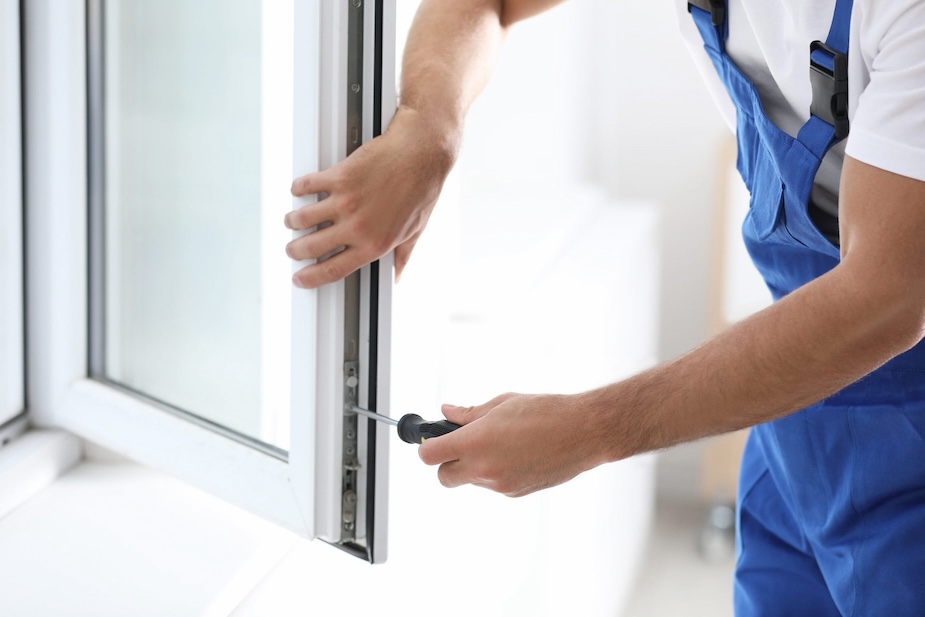
window lock solutions Seals and Frames
- Seal Degradation: The seals around windows can degrade over time, permitting water to get in.
- Poor Quality Materials: Low-quality seals and frames are more prone to failure.
- Improper Maintenance: Regular cleansing and maintenance can prevent seal deterioration, but disregard can cause water ingress.
-
Condensation
- High Humidity: Conservatories often have higher humidity levels due to the quantity of natural light and the presence of plants.
- Insufficient Ventilation: Poor ventilation can trap moisture, leading to condensation on windows and other surfaces.
- Temperature Differences: Large temperature level differences between the within and exterior of the conservatory can trigger condensation.
-
Foundation Issues
- Settling: Over time, the foundation of the conservatory can settle, creating spaces and fractures.
- Poor Drainage: Inadequate drainage around the conservatory can trigger water to pool and seep into the structure.
The Effects of Conservatory Water Damage
-
Structural Damage
- Rotten Wood: Water can trigger wood to rot, compromising the structural stability of the conservatory.
- Metal Corrosion: Metal frames and supports can corrode, leading to weakened structures.
- Mold and Mildew: Moisture can promote the development of mold and mildew, which can damage surfaces and posture health threats.
-
Visual Issues
- Staining: Water stains can mar the appearance of walls, ceilings, and floorings.
- Peeling Paint: Moisture can cause paint to peel and flake, decreasing the visual appeal of the conservatory.
- Foggy Windows: Condensation can cause windows to mist up, minimizing presence and light transmission.
-
Health Concerns
- Respiratory Issues: Mold and mildew can release spores that can activate breathing issues, particularly in people with allergies or asthma.
- Skin Irritation: Prolonged direct exposure to damp conditions can cause skin irritation and other health issues.
Preventing and Addressing Conservatory Water Damage
-
Routine Maintenance
- Examine Seals and Gaskets: Check window locking system lock replacement Inspection (119.96.99.9) seals and gaskets for signs of wear and replace them as needed.
- Clean Gutters and Downspouts: Ensure that seamless gutters and downspouts are free of debris to prevent water from pooling around the conservatory.
- Inspect Roofing Materials: Inspect the roof for damaged or missing out on tiles and repair them promptly.
-
Improving Ventilation
- Set up Vents: Adding vents or louvers can help minimize humidity and avoid condensation.
- Usage Dehumidifiers: Dehumidifiers can assist control wetness levels, particularly during damp weather.
- Open Windows: Regularly opening windows can enhance air circulation and lower condensation.
-
Addressing Structural Issues
- Structure Repair: If settling or fractures are detected, consult a professional for foundation repair.
- Seal Gaps: Use sealants to close gaps and cracks in the foundation and walls.
- Enhance Drainage: Install appropriate drain systems to direct water away from the conservatory.
-
Professional Assistance
- Waterproofing: Consider having the conservatory professionally waterproofed to safeguard versus water damage.
- Form Remediation: If mold or mildew exists, look for professional help for safe and reliable removal.
- Structural Inspections: Regular examinations by a structural engineer can recognize and address prospective issues before they become major issues.
FAQs
Q: How often should I check my conservatory for water damage?A: It is suggested to inspect your conservatory a minimum of once a year, preferably before the rainy season. More regular evaluations may be necessary if you live in an area with high rainfall or if you see any indications of water damage.
Q: Can I avoid condensation in my conservatory?A: Yes, Window Security you can lower condensation by improving ventilation, utilizing dehumidifiers, and preserving a constant temperature. Routinely opening windows and using fans can also assist.
Q: What should I do if I discover water discolorations on the ceiling or walls?A: If you discover water stains, it is essential to recognize and resolve the source of the leak. Examine the roof, windows, and seals for any damage. If the spots are substantial, consult a professional for a thorough maintenance.
Q: Is it necessary to waterproof my conservatory?A: While not always required, waterproofing can offer an extra layer of security against water damage. It is particularly beneficial if you reside in an area with high rains or if your conservatory has a history of water issues.

Q: How can I eliminate mold and mildew from my conservatory?A: Mild cases of mold and mildew can be cleaned with a mix of water and vinegar or a business mold cleaner. For more severe cases, it is best to speak with a professional for safe and reliable elimination.
Conservatory water damage can be a substantial problem, but with appropriate maintenance, prevention, and prompt action, it can be effectively handled. By understanding the causes and results of water damage and taking the required actions to resolve them, house owners can ensure that their conservatories remain a gorgeous and practical part of their homes for years to come.


