
residential-lock-repair7560
residential-lock-repair7560
A List Of Common Errors That People Make With Repairing Conservatory Doors
Repairing Conservatory Doors: A Comprehensive Guide
Conservatories, with their extensive glass structures, use a distinct mix of indoor and outside home, permitting property owners to enjoy natural light and panoramas. Nevertheless, the doors of these extensions, often subjected to the components, can suffer wear and tear gradually. Whether it’s a sticking door, a broken lock, or a breezy seal, understanding how to repair conservatory doors can save property owners both money and time. This extensive guide will stroll through the common issues, step-by-step repair processes, and maintenance tips to keep conservatory doors in top condition.
Common Issues with Conservatory Doors
-
Sticking or Jamming Doors
- Causes: Warping, misalignment, or debris in the tracks.
- Symptoms: Difficulty opening or closing, unequal spaces around the door.
-
Broken Locks
- Causes: Wear and tear, forced entry efforts, or making flaws.
- Symptoms: Lock not engaging, essential not turning efficiently.
-
Drafty Seals
- Causes: Aging weatherstripping, gaps in between the door and frame.
- Signs: Cold drafts, increased energy expenses.
-
Leaking or Fogged Glass
- Causes: Broken seals, damaged glass.
- Signs: Moisture between panes, foggy look.
-
Noisy Hinges
- Causes: Lack of lubrication, rust, or loose screws.
- Symptoms: Squeaking or creaking sounds when opening or closing.
Step-by-Step Repair Processes
1. Sticking or Jamming Doors
Products Needed:
- Screwdriver
- Level
- Sandpaper
- Lubricant (silicone spray or graphite powder)
Steps:
-
Inspect the Door and Frame:
- Check for any visible indications of warping or misalignment.
- Look for debris or obstructions in the tracks.
-
Change the Hinges:
- Use a screwdriver to tighten or loosen up the hinge screws as needed.
- Make sure the door is level and lined up with the frame.
-
Sand Down Warped Areas:
- If the door is a little deformed, sand down the impacted locations with fine-grit sandpaper.
- Wipe away any dust and test the door.
-
Lubricate the Tracks:
- Apply a silicone spray or graphite powder to the tracks to decrease friction.
- Clean the tracks with a damp fabric to remove any dirt or particles.
2. Broken Locks
Materials Needed:
- Replacement lock
- Screwdriver
- Lock lube
Steps:
-
Remove the Old Lock:
- Use a screwdriver to remove the screws holding the lock in location.
- Thoroughly pull the lock out of the door.
-
Set Up the New Lock:
- Align the brand-new lock replacement with the existing holes in the door.
- Protect it with screws and check the lock to guarantee it operates correctly.
-
Oil the local lock repair:
- Apply a window lock installation lube to the keyhole and moving parts to prevent future issues.
3. Drafty Seals
Materials Needed:
- New weatherstripping
- Utility knife
- Adhesive (if necessary)
Steps:
-
Remove the Old Weatherstripping:
- Use an energy knife to remove the old weatherstripping.
- Tidy the area with a moist cloth to get rid of any residue.
-
Step and Cut the New Weatherstripping:
- Measure the length of the door frame.
- Cut the new weatherstripping to the appropriate length.
-
Install the New Weatherstripping:
- Apply adhesive to the back of the weatherstripping if needed.
- Press the weatherstripping securely into place along the door frame.
- Trim any excess with an energy knife.
4. Leaking or Fogged Glass
Products Needed:
- Replacement glass panel
- Silicone sealant
- Screwdriver
Steps:
-
Remove the Old Glass:
- Use a screwdriver to remove the screws holding the glass in location.
- Carefully get rid of the old glass panel.
-
Install the New Glass:

- Apply a thin layer of silicone sealant around the edges of the frame.
- Location the brand-new glass panel into the frame and protect it with screws.
- Permit the sealant to dry according to the producer’s guidelines.
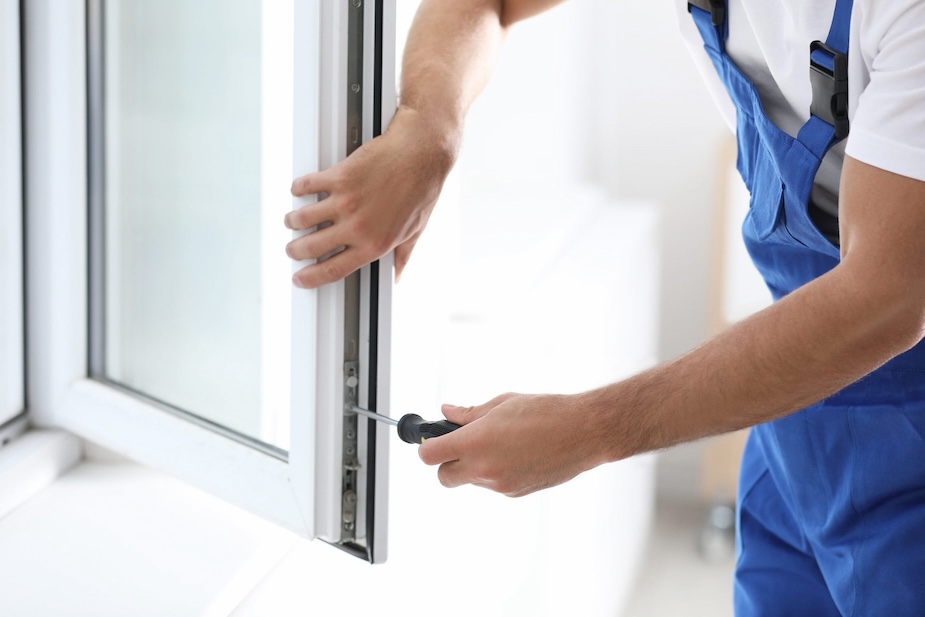
5. Noisy Hinges
Products Needed:
- Lubricant (WD-40 or silicone spray)
- Screwdriver
Steps:
-
Tighten the Hinge Screws:
- Use a screwdriver to tighten any loose hinge screws.
- Make sure the hinges are safely secured to the door and frame.
-
Lube the Hinges:
- Apply a lubricant to the hinges, concentrating on the pivot points.
- Move the door back and forth to disperse the lubricant uniformly.
Maintenance Tips
-
Regular Cleaning:
- Clean the door and frame with a mild cleaning agent and water.
- Utilize a soft fabric to prevent scratching the surface.
-
Check for Damage:
- Regularly look for signs of wear and tear, such as loose screws, broken seals, or damaged glass.
- Address any issues immediately to prevent more damage.
-
Oil Moving Parts:
- Apply a lubricant to the hinges, locks, and tracks every couple of months to keep them operating efficiently.
-
Check Weatherstripping:
- Inspect the weatherstripping for indications of wear or damage.
- Replace it as required to keep an airtight seal.
-
Seasonal Maintenance:
- Perform a comprehensive examination and maintenance check at the start of each season.
- Adjust the door positioning and tighten up screws as required.
FAQs
Q: How typically should I oil the depend upon my conservatory door?
- A: It’s a good idea to lube the hinges every 3-6 months, depending on the frequency of use and the climate. This helps avoid squeaking and makes sure smooth operation.
Q: Can I repair a fogged glass panel myself?
- A: While it’s possible to replace a fogged glass panel yourself, it can be a challenging task. If you’re not confident in your DIY abilities, it’s best to seek advice from a professional to avoid further damage.
Q: What type of weatherstripping should I use for my conservatory door?
- A: Choose weatherstripping that works with the type of door and frame material. Silicone or rubber weatherstripping is often recommended for its toughness and window lock Company (Git.Ja-schwarz.de) efficiency in preventing drafts.
Q: How can I prevent my conservatory door from sticking throughout humid weather?

- A: To prevent sticking, keep the door and frame tidy and dry. Use a dehumidifier in the conservatory if needed, and guarantee proper ventilation. Oiling the hinges and tracks can also help in reducing friction.
Q: What should I do if my conservatory door lock is frozen?
- A: If your lock is frozen, use a lock de-icer to the keyhole. Carefully turn the key to assist distribute the de-icer. Prevent utilizing hot water, as it can cause the residential lock repair to refreeze when it cools off.
Maintaining and repairing conservatory doors is vital for ensuring the durability and functionality of these important home functions. By dealing with typical issues quickly and following regular maintenance tips, house owners can enjoy their conservatories for years to come. Whether it’s a simple lubrication or a more complex glass replacement, making the effort to take care of your conservatory doors will settle in comfort, energy efficiency, and aesthetic appeal.


