
sprachzertifikat-b1-deutsch8185
sprachzertifikat-b1-deutsch8185
10 Things Everybody Hates About Buy B1 Certificate
Understanding the B1 Certificate: A Comprehensive Guide
On the planet of language efficiency, the B1 Certificate holds a significant place, mostly acting as proof of an intermediate level of language abilities. This post digs deeply into what the B1 Certificate is, why it’s important, how to obtain it, and typical questions surrounding this accreditation.
What is the B1 Certificate?
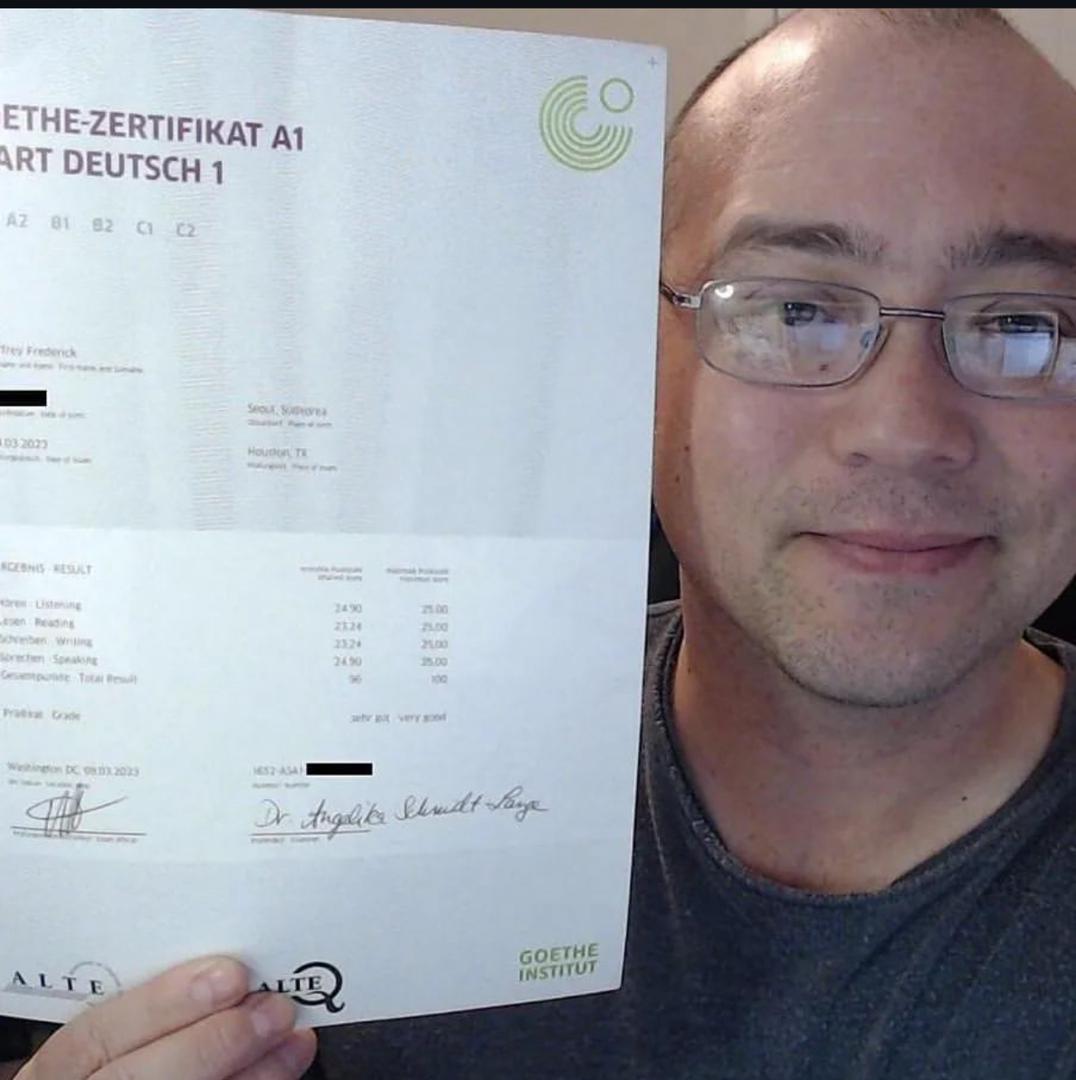
The B1 Zertifikat Certificate is a language proficiency accreditation that lines up with the Common European Framework of Reference for Languages (CEFR). It suggests that an individual can understand and interact in a language (normally English, however likewise suitable to other languages) at an intermediate level. This implies that a B1 speaker can:
- Understand the bottom lines of clear standard speech on familiar matters.
- Offer with most circumstances likely to arise while traveling or studying in an area where the language is spoken.
- Produce basic linked text on topics that recognize or of personal interest.
- Describe experiences, occasions, dreams, and aspirations, as well as discuss reasons for opinions and plans.
Why is the B1 Certificate Valuable?
Obtaining a B1 Certificate can yield numerous benefits, including:
-
Educational Opportunities: Many educational institutions need a B1 level of proficiency for admission to certain programs, specifically those taught in the target language.
-
Work Prospects: Employers typically look for people with tested language skills, and a B1 Certificate can boost one’s CV.
-
Immigration and Residency: Some nations need evidence of language efficiency for residency applications or citizenship, and a B1 Certificate is frequently adequate for these functions.
-
Personal Motivation: For numerous, getting a B1 Certificate represents a milestone in their language learning journey, providing inspiration to continue improving.
How to Obtain a B1 Certificate
Acquiring a B1 Certificate usually involves taking a standardized language examination. The process normally includes the following actions:
1. Preparation
Candidates can select from numerous study approaches, including:
- Classes: Enrolling in language courses particularly created to prepare trainees for the B1 examination.
- Self-Study: Utilizing textbooks, online resources, and language learning applications.
- Language Exchange: Practicing with native speakers or fellow learners.
2. Choosing an Exam
Several organizations offer B1 level evaluations, each with various formats and scoring systems. Some of the most recognized examinations consist of:
| Examination Body | Exam Name | Language Offered |
|---|---|---|
| Cambridge Assessment | B1 Preliminary (PET) | English |
| Goethe-Institut | Goethe-Zertifikat B1 Kaufen B1 | German |
| DELF/DALF | DELF B1 | French |
| Instituto Cervantes | DELE B1 | Spanish |
| Trinity College London | ISE Foundations | English |
3. Signing up for the Exam
As soon as prepared, candidates can register for their selected assessment through the respective organizations’ websites or regional evaluation centers. Registration often requires the submission of individual details and payment of examination costs.
4. Taking the Exam
The B1 examinations usually evaluate four main skills:
- Listening: Understanding spoken language in numerous contexts.
- Reading: Comprehending composed texts, such as posts and messages.
- Writing: Producing text associated to individual or familiar topics.
- Speaking: Demonstrating conversational abilities through dialogues or presentations.
5. Getting the Results
After taking the exam, candidates will get their outcomes within a designated timeframe, generally ranging from a few days to a number of weeks. Successful prospects will acquire their B1 Certificate.
Regularly Asked Questions (FAQ)
1. For how long does it take to prepare for the B1 Certificate?Preparation time varies depending upon the individual’s current efficiency level and research study dedication. Typically, it might take anywhere from 3 to 6 months of dedicated research study to reach B1 efficiency.
2. What materials are advised for B1 preparation?Recommended materials include CEFR-aligned textbooks, online courses, language apps like Duolingo, and practice examinations.
3. Can I take the B1 examination online?Yes, numerous assessment bodies now offer online testing choices. Candidates should inspect the particular treatments of the evaluation they select.
4. What occurs if I don’t pass the B1 exam?Candidates can retake the assessment after a specified period, typically after a few months. Continued study and practice are recommended to enhance ratings.
5. Is the B1 Prüfung Kosten Certificate acknowledged worldwide?Yes, the B1 Certificate is extensively recognized in different countries, particularly for educational and migration functions.
The B1 Certificate is not just a paper validating language efficiency; it is a secret that opens doors to different chances in education, work, and individual development. By understanding the requirements, preparation methods, and advantages of getting this certificate, candidates can browse their language finding out journey better. For those thinking about getting the B1 Prüfung Kosten Certificate, now is the time to do something about it and embark on this rewarding course.
With the right approach and dedication, achieving B1 efficiency can be a significant action towards fluency and more language endeavors.


