
door-handle-fix-near-me7794
door-handle-fix-near-me7794
The Unknown Benefits Of Quality Door Handle Repair
Quality Door Handle Repair: A Comprehensive Guide
door handle home service handles, typically neglected in the realm of home enhancement, are vital components that use both performance and aesthetics to a home. When a door handle breakdowns, it can interfere with everyday regimens and compromise security. Luckily, door handle repair is a manageable job that can be approached with the right understanding and tools. This post works as a comprehensive guide for repairing door handles, ensuring that every property owner can undertake the task with confidence and effectively.
Comprehending the Types of Door Handles
Before diving into the repair process, it’s essential to comprehend the kinds of door handles you may come across. Common types include:
-
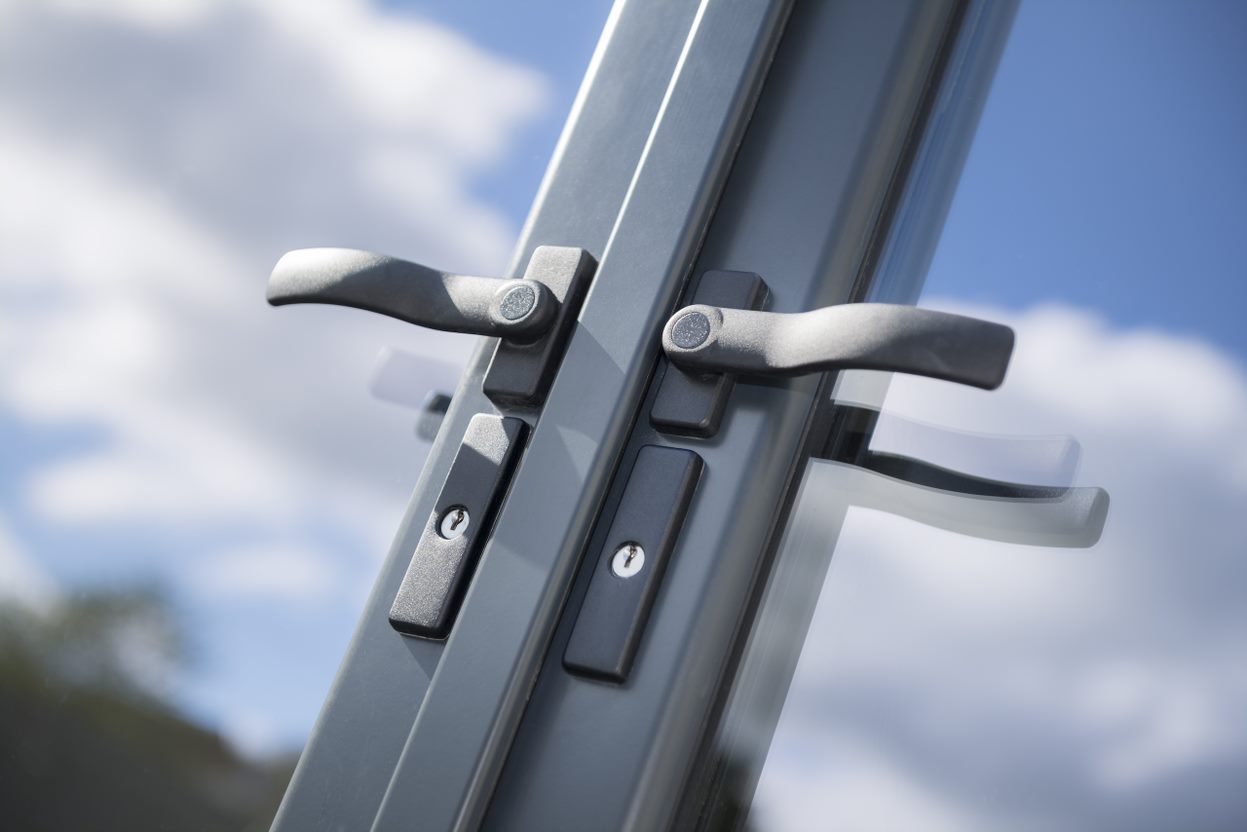
Lever Handles: These come in numerous designs and are usually easier to grip, making them perfect for heavy doors.
-
Knob Handles: Traditional in style, knobs can be more challenging to use, especially for individuals with restricted grip strength.
-
Deadbolts: These offer extra security and may require a different mechanism for locking.

-
Smart Handles: Equipped with electronic locking systems, these modern handles deal innovative security but frequently need specific knowledge for repairs.

Comprehending the specific kind of door handle is essential as it affects the technique of repair.
Common Door Handle Issues
Before delving into repairs, it’s essential to determine the most common issues that can arise with door handles:
-
Loose Handle: This typically results from screws that have loosened gradually due to regular use.
-
Sticking Mechanism: Handles might become sticky due to dirt accumulation, rust, or moisture.
-
Broken Handle: This can take place from wear and tear or accidental force.
-
Locking Issues: If the latch doesn’t engage, it might suggest an alignment problem or internal mechanism failure.
Identifying the issue will assist in selecting the appropriate repair method.
Tools Required for Door Handle Repair
Having the right tools is vital to guarantee the repair process goes smoothly. Here’s a list of standard tools you may require:
- Screwdriver (flat-head and Phillips)
- Allen wrench (for specific kinds of handles)
- Replacement parts (screws, springs, or the whole handle set)
- Lubricant (graphite spray or silicone-based)
- Cleaning cloth
- Drill (if brand-new holes are needed)
Gathering these tools in advance will enhance your repair shop door handle process.
Step-by-Step Guide to Door Handle Repair
Action 1: Remove the Handle
- Determine the Screws: Often, handles are secured with noticeable screws. Eliminate these screws using the appropriate screwdriver.
- Remove the Handle: Gently pull the handle away from the door handle fixer near me. If there are internal parts, guarantee you keep in mind how they mesh for reassembly.
Step 2: Inspect the Mechanism
- Look for Wear and Tear: Look for broken parts, loose screws, or rust.
- Evaluate the Latch: Ensure that the latch moves freely. If it sticks, it might need cleansing or lubrication.
Action 3: Clean and Lubricate
- Tidy the Components: Use a damp fabric to clean down the handle and any internal parts. If there’s rust, a rust cleaner must be utilized.
- Lube the Mechanism: Apply a percentage of lube to the moving parts, guaranteeing no excess that could drip onto the door surface.
Step 4: Repair or Replace Parts
- Tighten Screws: If screws have come loose, tighten them. If any are damaged, change them with suitable sizes.
- Replace Broken Parts: If any part of the handle is broken, you might need to order replacements or look for a new handle set.
Step 5: Reassemble and Test
- Reattach the Handle: Carefully align it back onto the door and secure it with screws. Guarantee you follow the initial configuration.
- Evaluate the Functionality: Before closing the door, check that the handle turns efficiently and the latch engages correctly.
When to Seek Professional Help
While numerous door handle issues can be fixed with a little DIY effort, some problems might require a professional’s touch. Consider looking for professional assistance if:
- The handle is part of an intricate locking mechanism.
- Replacement parts are hard to source.
- There are electrical parts involved (in the case of smart handles).
FAQs About Door Handle Repair
Q1: How often should I maintain my door handles?
A: It is advised to inspect your door handles a minimum of when a year. Regular cleaning and lubrication can extend their life and decrease the possibility of needing repairs.
Q2: Can I replace a door handle myself?
A: Yes, replacing a door handle is a DIY task that lots of house owners carry out effectively. As long as you have the right tools and follow the correct steps, it needs to be workable.
Q3: What kind of lube is best for door handles?
A: A silicone-based lube or graphite spray is best fit for door handles as it won’t draw in dust and dirt like oil-based lubes.
Q4: How do I understand if my door handle requirements changing or just a repair?
A: If the handle is greatly used, rusted, or if numerous components are broken and can not be fixed, replacement may be the more practical and affordable option.
Q5: What should I consider when purchasing a new door handle fix near me handle?
A: Consider the design, security functions, compatibility with your existing doors, and the material. Ensure it fits with your home’s aesthetic appeals and satisfies your functional needs.
Fixing a door handle is a straightforward procedure that can be achieved with a little perseverance and the right tools. Familiarity with the kind of handle and common issues ensures that house owners can resolve most repairs with confidence. By following this guide, people can preserve and improve the functionality and appearance of their doors, guaranteeing both availability and security throughout their home. With routine maintenance, door handles can continue to serve their purpose effectively, including worth and assurance in your home.


