
composite-door-maintenance-checklist8413
composite-door-maintenance-checklist8413
What’s The Job Market For Composite Door Restoration Professionals Like?
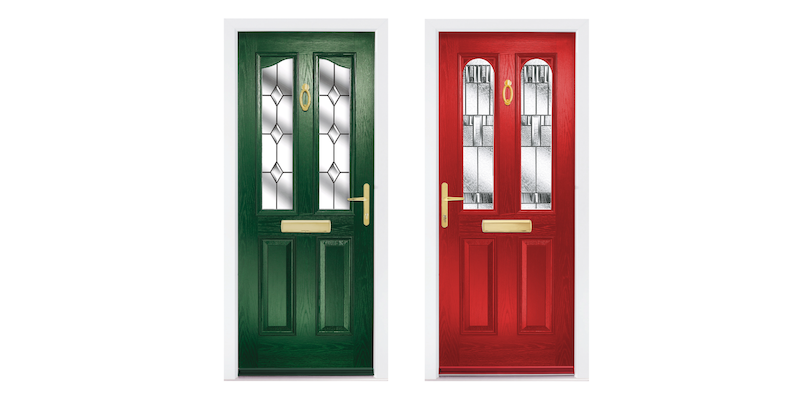
The Comprehensive Guide to Composite Door Restoration
Composite doors have ended up being a popular option for property owners due to their toughness and aesthetic appeal. Made from a mix of products such as wood, PVC, and insulating foam, they provide extraordinary benefits over standard wooden exterior doors. However, gradually and with direct exposure to the elements, even the most robust composite door repair warranty doors may show indications of wear and tear. This guide intends to light up the procedure of composite door restoration, making it possible for house owners to breathe brand-new life into their entrances.
Understanding Composite Doors
Before diving into restoration approaches, it is important to comprehend what composite doors are made of and why they are favored.
Composition of Composite Doors:
- Core Materials: A mix of strong lumber and an insulating foam core offers strength and energy performance.
- External Layer: Typically built of a resilient, weather-resistant skin made from products like PVC, fiberglass, or timber.
- Reinforcement: Steel and aluminum reinforcements can be consisted of to enhance security and durability.
Advantages of Composite Doors:
- Durability: Resistant to warping, breaking, or swelling, they can hold up against extreme weather.
- Energy Efficiency: Composite doors typically bear an energy score, ensuring they help in reducing heating costs.
- Low Maintenance: Unlike conventional wooden doors, composite doors need very little upkeep.
- Versatile Design: Available in different styles, colors, and completes to match varied tastes.
Signs Your Composite Door Needs Restoration
Property owners should occasionally examine their composite doors for common indicators of wear. Restoration might be necessary if several of the following signs are present:
- Fading and Discoloration: Exposure to sunlight can lead to a loss of color and vibrancy.
- Scratches and Scuffs: Everyday wear and tear, together with unexpected bumps, can mar the surface.
- Dents: Heavy objects can lead to damages that impact both the door’s looks and performance.
- Sealing Issues: Signs of drafts or water leaks may show that the seals and hinges need attention.
The Composite Door Restoration Process
Bring back a composite door repair tools door may seem an overwhelming job, but with the right tools and technique, it can be a manageable and fulfilling endeavor.
Step-by-Step Restoration Guide:
-
Gather Tools and Materials:
- Soft fabrics and sponges
- Cleaning agent or moderate cleaner
- Sandpaper (fine-grade)
- Paint or wood stain (if required)
- Sealant or weather removing
- Screwdriver
- Touch-up paint (for scratches and scuffs)
-
Cleaning the Door:
- Begin by thoroughly washing the door with a mix of detergent and warm water to eliminate dirt and grime.
- Utilize a soft fabric or sponge to gently scrub the surface area. Rinse with tidy water and let it dry completely.
-
Examining Damage:
- Inspect the door for deep scratches, dents, or a worn-out finish.
- For deep scratches, consider utilizing touch-up paint or wood filler to even out the surface.
-
Sanding and Smoothing:
- If the door surface area is rough or if paint has begun to peel, utilize fine-grade sandpaper to smooth out the area.
- Avoid over-sanding, as this can damage the door’s outer layer.
-
Applying Paint or Stain:
- For tarnished doors, apply a fresh coat of paint or wood stain that matches the original finish.
- Usage even strokes and let the first coat dry before applying a second coat if required.
-
Sealing the Edges:
- Inspect the weather removing and seals around the door. If they are damaged, get rid of the old material and replace it with brand-new weather stripping or sealant to guarantee the door remains energy efficient and secure.
-
Last Inspection:
- Once all repairs and repairs are done, perform a final assessment to ensure whatever functions smoothly. Test the locking system, door swing, and seals.
Frequently Asked Questions About Composite Door Restoration
Q1: How typically should I restore my composite door?
A: It’s advisable to check your composite door a minimum of once a year for signs of wear. Restoration requirements can differ based upon environmental direct exposure, but routine maintenance can prolong its lifespan.
Q2: Can I paint my composite door?
A: Yes, composite doors can be painted. It is important to use top quality exterior paint that appropriates for the product. Always follow the producer’s standards.
Q3: What if my composite door is beyond repair?
A: If severe damage has actually happened– such as fractures through the core or comprehensive warping– changing the door might be the finest option. Seek advice from a professional to evaluate the condition.
Q4: Is professional restoration necessary?
A: Many property owners can effectively restore their doors utilizing DIY strategies. However, for extensive damage or if you are not sure about the process, speaking with a professional composite door repair may be the finest option.

Q5: How can I prevent my composite door from deteriorating?
A: Regular cleansing and maintenance are vital. In addition, guaranteeing that seals are intact and using protective coatings can assist alleviate the effect of weather condition on your door.
Bring back a composite door can be a rewarding task that enhances the look and performance of a home’s entrance. With appropriate care and timely restoration, property owners can maintain the charm and toughness that composite door repair estimate doors are known for. This not only enhances the curb appeal of the residence but also guarantees energy efficiency and security for many years to come. By following this comprehensive guide, anyone can carry out an effective restoration task and delight in the benefits of a properly maintained composite door maintenance tips door.


