
window-lock-company0399
window-lock-company0399
10 Things Everyone Hates About Repairing Conservatory Roof
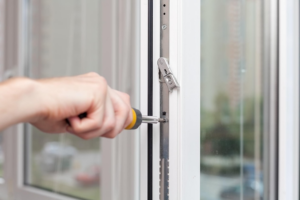
Repairing a Conservatory Roof: A Comprehensive Guide
Conservatories are a popular addition to many homes, offering a flexible space that can be used as a sunroom, extra living location, and even a greenhouse. However, like any part of a Home Security (106.52.21.251), conservatory roofs can need local lock repair and maintenance over time. Whether it’s due to wear and tear, weather damage, or just the passage of time, knowing how to repair a conservatory roof is essential for keeping the integrity and aesthetic appeal of your home. This detailed guide will walk you through the process of repairing a conservatory roof, from identifying typical issues to executing the necessary repairs.
Common Issues with Conservatory Roofs
Before diving into the lock repair service process, it’s crucial to comprehend the typical issues that can emerge with conservatory roofing systems. These issues can vary from small to major and can considerably impact the performance and look of your conservatory. Here are a few of the most common issues:
- Leaking Roofs: One of the most common issues is a leaking roof, which can be triggered by damaged or weakened seals, broken glazing, or poorly fitted roof tiles.
- Condensation: Excessive condensation can lead to water damage, mold growth, and an usually uneasy environment.
- Structural Damage: Over time, the structure of the roof can damage, resulting in sagging or perhaps collapse.
- UV Damage: Prolonged direct exposure to sunlight can trigger the products to degrade, leading to staining and weakening of the roof.
- Pest Infestations: Roofs can become a sanctuary for pests like birds, rodents, and bugs, which can cause further damage.
Tools and Materials Needed
Before you begin the repair process, ensure you have the essential tools and materials. Here is a list to get you began:
- Safety Gear: Gloves, security goggles, and a tough hat.
- Ladder: A tough ladder to access the roof safely.
- Screwdrivers and Wrenches: For eliminating and replacing screws and bolts.
- Sealant: Silicone or polyurethane sealant for sealing spaces and joints.
- Glazing: Replacement glass or polycarbonate panels if required.
- Roof Tiles: Replacement tiles if your conservatory has a tiled roof.
- Cleaning up Supplies: Mild detergent, water, and a soft brush for cleaning up the roof.
- Insulation: Additional insulation if required to enhance energy effectiveness.
- Pest Control Products: If handling insect invasions.
Step-by-Step Guide to Repairing a Conservatory Roof
-
Examine the Damage
- Examine the Roof: Start by thoroughly examining the roof to recognize the extent of the damage. Try to find leaks, loose tiles, damaged seals, and any indications of structural issues.
- File the Issues: Take images or make notes of the areas that need repair. This will help you prepare your approach and approximate the products required.
-
Prepare the Work Area
- Clear the Area: Remove any furniture or items from the conservatory to produce a clear work area.
- Establish Safety Equipment: Ensure you have a stable ladder and all required safety equipment. If operating at height, consider using a safety belt.
-
Eliminate Damaged Components
- Remove Loose Tiles or Panels: Carefully remove any loose or damaged tiles or glazing panels. Utilize a screwdriver or wrench to loosen screws and bolts.
- Clean the Area: Once the damaged parts are gotten rid of, clean the area with a mild detergent and water to guarantee a tidy surface for the brand-new products.
-
Repair or Replace Components
- Set Up New Tiles or Panels: If you need to change tiles or glazing panels, determine the location and cut the new materials to fit. Secure them in place utilizing screws or clips, guaranteeing they are tightly fitted.
- Apply Sealant: Use a silicone or polyurethane sealant to seal any spaces or joints. Use the sealant evenly and allow it to dry according to the producer’s guidelines.
-
Address Structural Issues
- Reinforce the Structure: If there are indications of structural damage, such as drooping or loose beams, you might require to strengthen the roof structure. This can involve including additional support beams or tightening existing fasteners.
- Look for Rot: Inspect the wooden elements for signs of rot and replace any damaged wood. Use a wood preservative to safeguard against future damage.
-
Enhance Insulation
- Include Insulation: If your conservatory is poorly insulated, think about adding additional insulation to the roof. This can help in reducing heat loss in the winter season and keep the space cooler in the summer.
- Seal Air Leaks: Use weatherstripping or foam sealant to seal any air leaks around doors and windows.
-
Avoid Pest Infestations
- Seal Entry Points: Check for any spaces or holes that pests can utilize to go into the conservatory and seal them with caulk or foam.
- Install Pest Control Measures: Consider installing bird spikes, netting, or other bug control measures to prevent future infestations.
-
Last Inspection and Cleanup
- Inspect the Work: Once all repairs are complete, window lock Parts check the roof to ensure whatever is safe and secure and appropriately sealed.
- Tidy up: Remove any particles and tools from the work area. Dispose of old products responsibly.
FAQs
Q: How typically should I inspect my conservatory roof?
- A: It’s an excellent idea to examine your conservatory roof at least when a year, preferably in the spring and fall. This will help you catch any issues early and prevent them from becoming major issues.
Q: Can I repair a conservatory roof myself, or should I hire a professional?
- A: Simple repairs, such as replacing a couple of tiles or resealing spaces, can typically be done by a homeowner with fundamental DIY abilities. Nevertheless, for more complicated issues, such as structural damage or substantial leaks, it’s best to work with a professional to make sure the task is done correctly and safely.
Q: What is the very best time of year to repair a conservatory roof?
- A: The best time to office lock repair a conservatory roof is throughout dry, moderate weather. This will make the work easier and ensure that sealants and adhesives set correctly.
Q: How can I prevent leaks in my conservatory roof?
- A: Regular maintenance, such as cleaning up gutters, resealing spaces, and examining for damage, can help avoid leaks. Furthermore, using top quality materials and ensuring correct installation can lower the risk of leaks.
Q: What are the indications that my conservatory roof requires to be changed?
- A: Signs that your conservatory roof might need to be replaced consist of comprehensive leaks, extreme structural damage, extensive rot, and consistent issues with condensation. If you notice any of these signs, it might be time to think about a complete roof replacement.
Repairing a conservatory roof is a job that needs mindful preparation and attention to detail. By following the steps outlined in this guide, you can attend to typical issues and maintain the stability and appeal of your conservatory. Routine maintenance and timely repairs will ensure that your conservatory stays a functional and enjoyable part of your home for many years to come.


