
chimney-cooker-hood3509
chimney-cooker-hood3509
What’s The Job Market For Kitchen Extractor Hood Professionals?
The Essential Guide to Kitchen Extractor Hoods: Choosing, Installing, and Maintaining
In modern kitchens, Cooker Extractor Fan hoods are crucial for both performance and aesthetic appeals. They not just improve the overall style of the space but likewise play a vital role in preserving a healthy cooking environment. This post aims to provide comprehensive details about kitchen extractor hoods, consisting of types, advantages, setup ideas, upkeep, and responses to often asked questions.
What is a Kitchen Extractor Hood?
A kitchen extractor hood, also called a range hood or vent hood, is a gadget installed above cooking surfaces that records airborne grease, vapors, smoke, heat, and smells. By efficiently eliminating these elements from the air, extractor hoods assist improve indoor air quality and minimize the threat of fire threats.
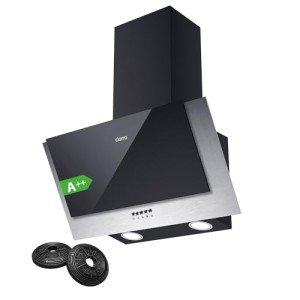
Kinds Of Kitchen Extractor Hoods
When choosing an extractor hood, house owners generally have four main types to think about:
| Type | Description | Pros | Cons |
|---|---|---|---|
| Wall-Mounted | Installed on the wall above the cooking surface. | Stylish style, space-saving alternatives, reliable suction. | Needs appropriate wall area; setup may be difficult. |
| Island | Suspended from the ceiling above an Island Extractor Fan or peninsula kitchen. | Provides a dramatic centerpiece, ideal for open kitchens. | Can be pricey, needs careful preparation for ductwork. |
| Under-Cabinet | Fits beneath kitchen cabinets directly above the stovetop. | Discreet, space-efficient, and easy to install. | May have less suction power than other types. |
| Downdraft | Integrated into the counter top and rises when required. | Inconspicuous, perfect for modern styles. | Typically more costly; less effective for larger cooking surface areas. |
Benefits of Installing a Kitchen Extractor Hood
Buying a kitchen extractor hood features a myriad of benefits:
- Air Quality Improvement: Eliminating smoke, grease, and smells maintains a tidy and healthy environment.
- Comfort: Reduces humidity and heat in the kitchen, making cooking a more pleasurable experience.
- Fire Safety: Proper ventilation helps minimize the danger of fire caused by grease accumulation.
- Home appliance Longevity: Reduces the build-up of dirt and grease on kitchen home appliances and surface areas, prolonging their life.
- Enhancing Kitchen Aesthetics: Many modern hoods can be found in trendy designs that can function as decorative elements in the kitchen.
Picking the Right Extractor Hood
When picking the suitable extractor hood, consider the list below elements:
1. Size
The width of the hood need to a minimum of match the width of your cooking surface. For optimum efficiency, consider a hood that extends 3 inches wider on either side if area enables.
2. Suction Power (CFM)
CFM, or cubic feet per minute, indicates the airflow ability of the hood. A higher CFM is more suitable for gas ranges and larger cooking surface areas.
| Cooking Surface Type | Suggested CFM |
|---|---|
| Electric Range | 200-400 CFM |
| Gas Range | 300-600 CFM |
| Heavy Cooking (stir fry, deep frying) | 600+ CFM |
3. Ducted vs. Ductless
- Ducted: Ventilate air outside; more effective at removing heat and smells.
- Ductless: Circulates air back into the kitchen with filters; easier to install, however less effective.
4. Noise Level
Examine the noise level rankings, normally determined in sones. A quieter unit can improve your cooking experience.
5. Design and Finish
Select a style that matches your kitchen decor. Choices include stainless steel, glass, and custom-made kitchen cabinetry designs.
Installation Tips for Kitchen Extractor Hoods
When setting up kitchen extractor hoods, it’s crucial to consider a number of key points to ensure ideal performance and safety.
- Height: For most range hoods, the setup height need to be between 24 and 36 inches above cooking surfaces.
- Electrical Work: Ensure that all electrical connections are up to code. Consider employing a licensed electrician if not sure.
- Ductwork: If you go with ducted hoods, quality ductwork is vital for maximum efficiency. Avoid sharp bends that can impede air flow.
- Professional Help: If you’re unskilled with DIY jobs, consider working with experts for setup to avoid harmful your kitchen or brand-new hood.
Maintenance of Kitchen Extractor Hoods
Routine upkeep is vital for keeping an extractor hood operating successfully. Here are some pointers:
- Clean Filters: Depending on use, wash grease filters every 1-3 months. A dishwashing machine might be utilized for metal filters; paper filters should be replaced.
- Wipe Down Surfaces: Clean the outside of the hood routinely with warm soapy water to preserve its look and functionality.
- Inspect Ductwork for Blockages: Periodically inspect ductwork for any blockages or signs of grease accumulation.
Regularly Asked Questions (FAQs)
1. How typically should I use my extractor hood when cooking?
It’s recommended to turn on the extractor hood when you begin cooking, so it can capture smoke and odors from the very start. Keep it on for a number of minutes after cooking to clear out residual smells.
2. Can I install an extractor hood myself?
While some individuals can DIY installations, it’s frequently Best Cooker Hood to hire an expert. Correct setup is important for efficiency and safety.
3. What takes place if I do not have an extractor hood?
Cooking without proper ventilation can result in poor air quality, increased humidity, and a higher threat of fire risks due to grease accumulation.
4. How long should I leave my hood on after cooking?
Keeping the hood on for 5-10 minutes after cooking is generally enough to ventilate the Kitchen Cooker Hoods successfully.
5. Exist energy-efficient choices offered?
Yes, lots of modern extractor hoods include energy-efficient motors and LED lighting, considerably lowering energy intake while preserving performance.
Picking, setting up, and keeping a kitchen extractor hood is necessary for a safe and pleasant cooking experience. With various choices to fit various kitchen layouts and designs, there’s an ideal extractor hood for every home. Keep in mind to think about crucial elements such as size, suction power, and upkeep requirements before making your purchase. A well-chosen and kept Cooker Extractor hood will not only enhance your cooking environment but likewise improve the general aesthetic of your kitchen.


